


Morocco is one of the most vibrant countries to visit in Northern Africa, revered for its architecture painted vibrant azure, historically rich sites and stunning landscapes. Between tasty dishes and a lively culture, your trip will fall nothing short of decadent through all of the senses.
Though Morocco can be an, at times, difficult country to navigate, the cultural differences require note-taking. When planned correctly, this amazing country can be one of the most exciting and deeply loved destinations you will ever visit. So, in order to make the most of your experience, I’ve broken down all of the essentials for your trip.
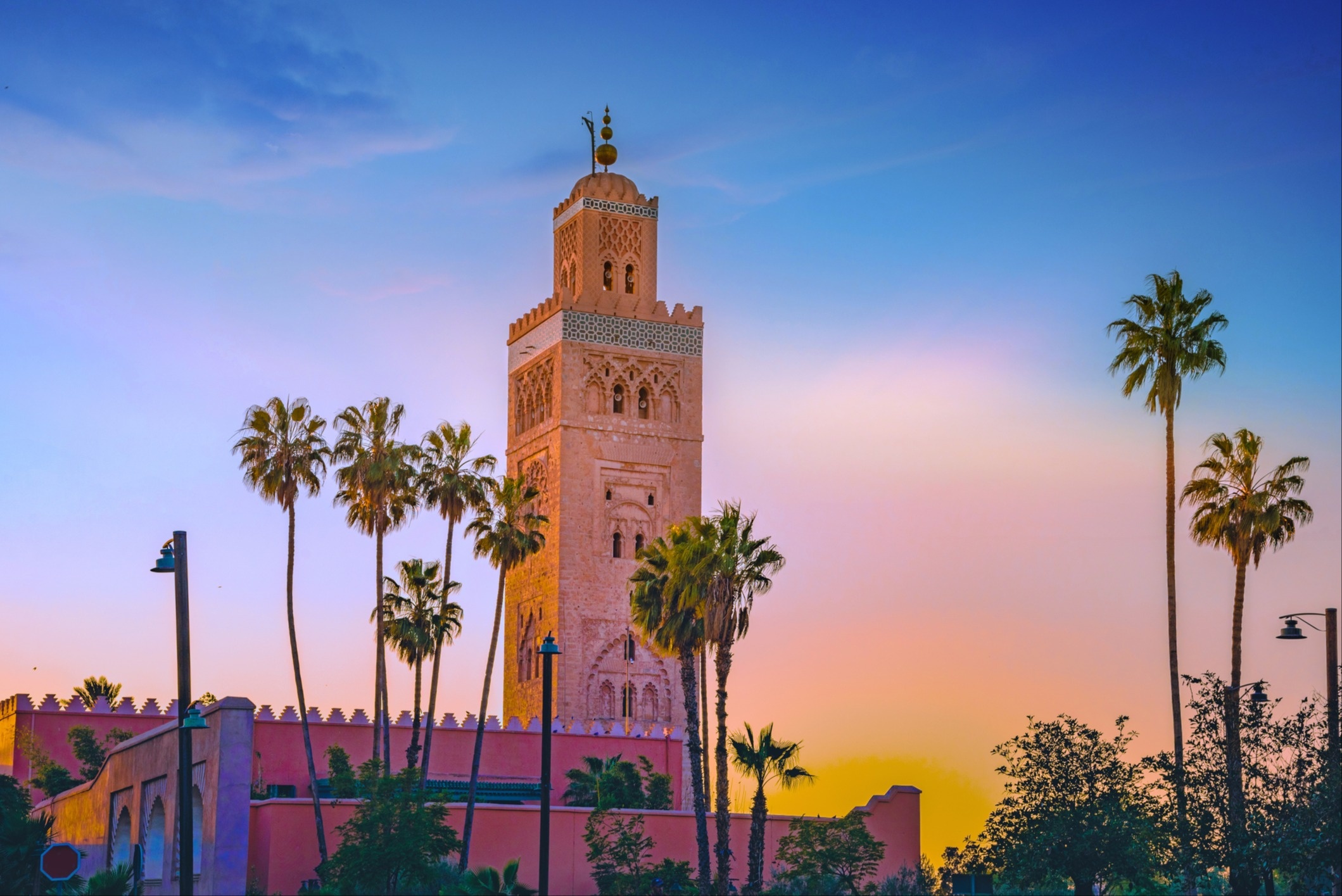
Plan on spending a good amount of time in Marrakech
If you’re traveling from North America, you will more than likely fly into either Casablanca Airport or Marrakech Menara Airport. Regardless of where you start, both destinations are must-sees, but in Marrakech, you should carve out the most time for in your itinerary. When in Marrakech, ensure that you have enough cash pulled out, as having physical money will prove the most convenient whether eating out at restaurants or wandering through the souks (markets).
For the majority of your Morocco stay, but especially in Marrakech, pack clothes that are modest but breathable. With a more religious presence and scorching hot temperatures, it’s a good idea to plan on dressing appropriately for the local scene while also ensuring you stay cool. Drink lots of water and reapply sunscreen throughout the day.
While in the city, you will want to give yourself enough time to explore the Medina, or the old city, along with time to peruse the souks (markets). Since a lot of your traveling throughout the city will be through mazes on foot, you’ll want to pack comfortable closed-toe shoes and look into booking tour guides. Due to different cultural norms and traditions, moving through the city with a local could make the experience much more enjoyable and easier to navigate.
Book a camping experience in the Sahara Desert
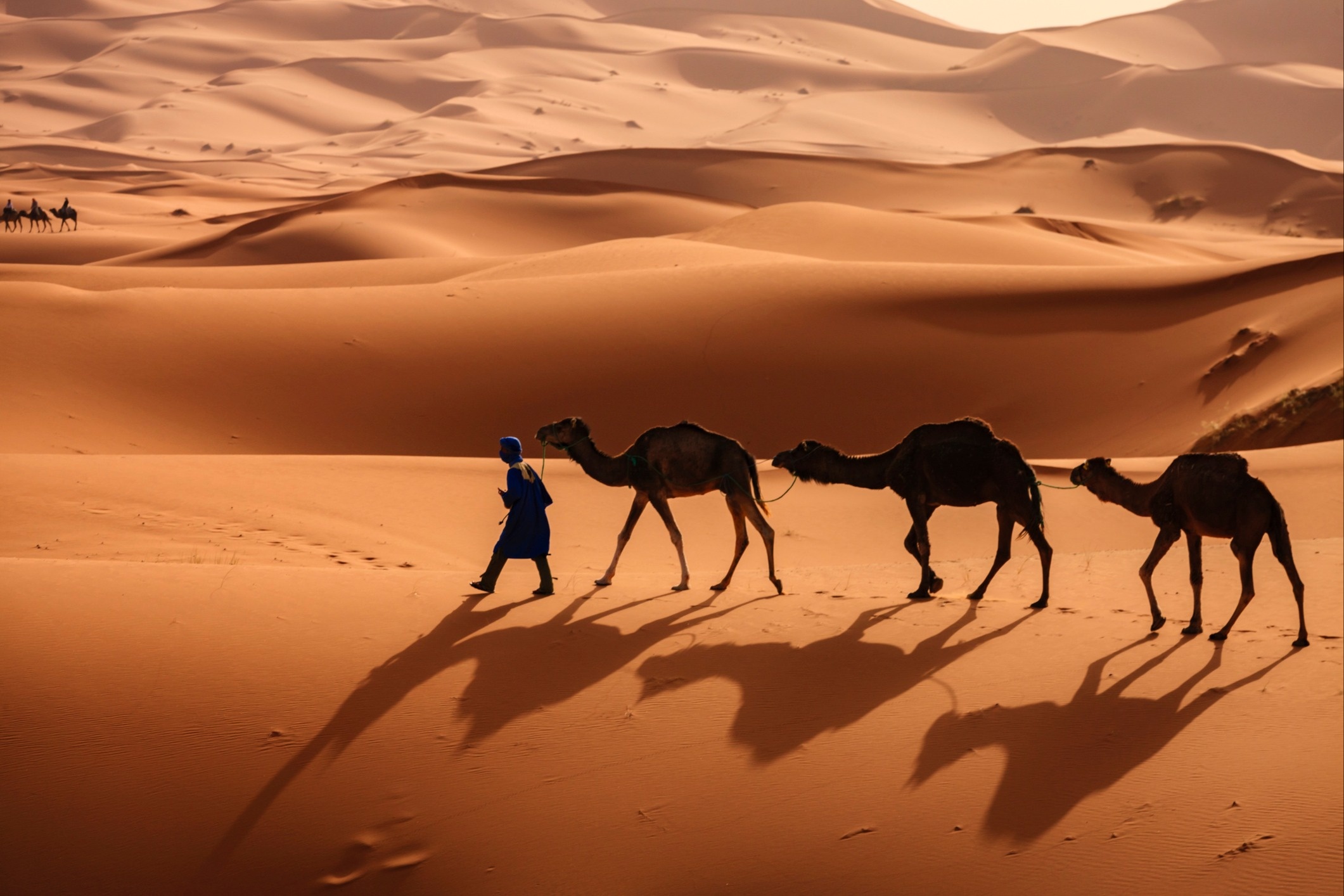
Of all of Morocco's offerings, the Sahara Desert is a destination you definitely do not want to miss out on. The most popular entry point is Merzouga, home to the towering Erg Chebbi dunes. These are massive golden waves of sand that stretch as far as the eye can see. Getting there from Marrakech takes roughly nine to ten hours, but the drive through the Atlas Mountains and Draa Valley is stunning enough to make the journey well worth it. Plan on dedicating at least four days and three nights for a proper Sahara experience — the comfortable minimum to fit in the drive, a camel trek and a night or two under the stars.
Desert camps range from simple Berber tents to more luxurious glamping setups with private en-suites and candlelit dinners among the dunes. Whichever style you prefer, or whichever is in your budget, the experience of falling asleep to absolute silence and waking up to sunrise over the dunes is one you’ll never forget.
If you're short on time, the Agafay Desert is only about forty minutes outside of Marrakech and offers a rocky, moon-like landscape that glows at sunset.
Don't skip on Fes, Chefchaouen or the coast
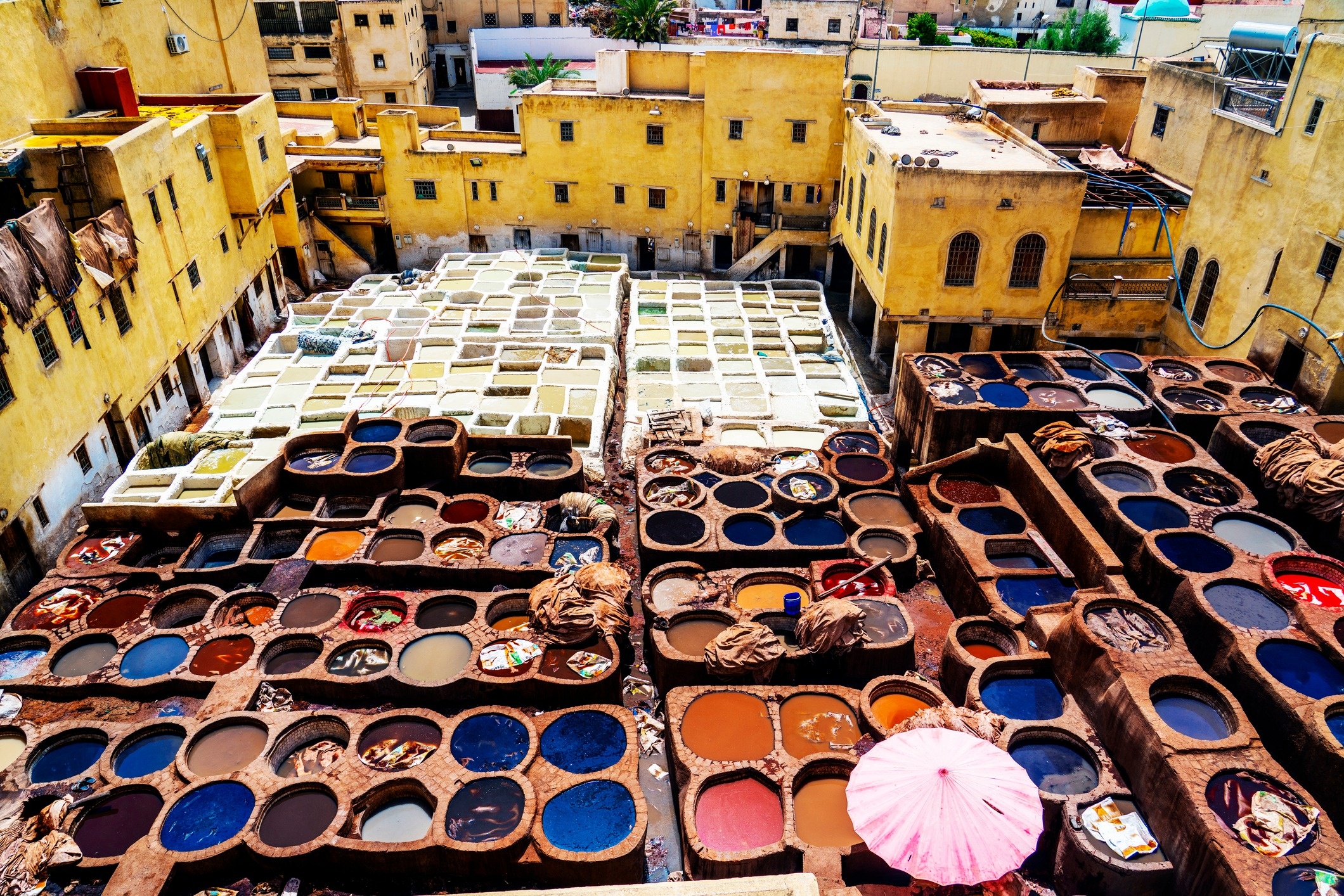
Morocco is more than Marrakech and the Sahara. The country is definitely rewarding for travelers who venture further. Fes, Morocco's cultural and spiritual capital, is a UNESCO World Heritage city and one of the oldest living medieval cities in the world. Its medina is an extraordinary labyrinth of over 9,000 streets packed with ancient mosques, colorful tanneries and artisan workshops that have operated for centuries. Planning on hiring a local guide here is a smart move. Navigating Fes without one is notoriously challenging, and a good guide can give you historical context that maps can’t.
From Fes, many travelers make their way north to Chefchaouen, a hilltop town nestled in the Rif Mountains — famous for its winding streets painted in every shade of blue imaginable. The atmosphere is noticeably calmer and cooler than in Marrakech, making it a welcomed change of pace. Try the local goat cheese and make sure you do a food walk through the blue-washed lanes.
Essaouira on the Atlantic coast offers a laid-back, beachy alternative to the busier cities. The port town is beloved by artists and surfers, lined with whitewashed walls and fresh seafood stalls where you can choose your fish and watch it grilled on the spot.
Come hungry, Moroccan cuisine is out of this world
One of the greatest pleasures of traveling through Morocco is the food. Moroccan cuisine draws from Berber, Arab, Andalusian and French traditions, resulting in a layered culinary culture built around bold spices.
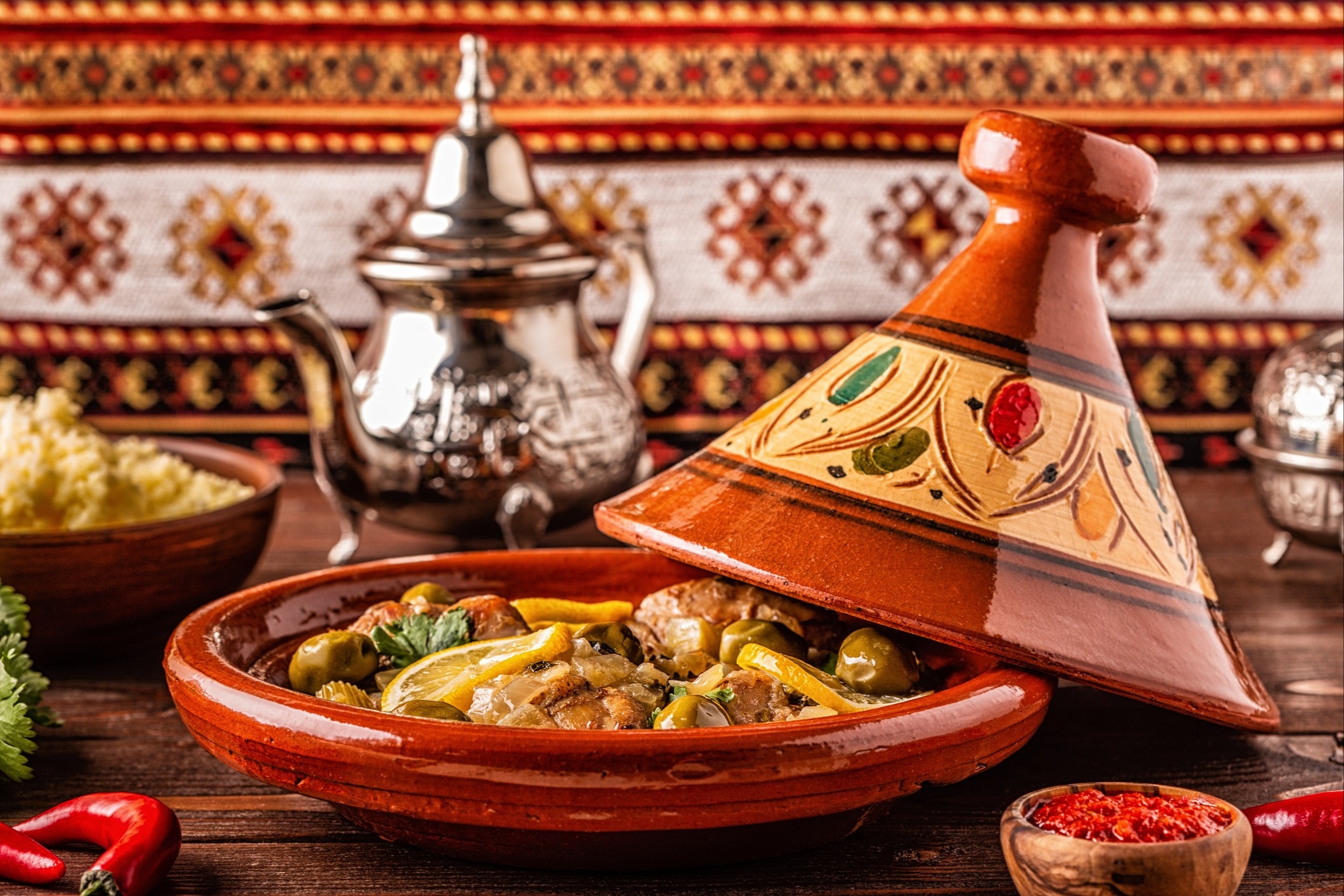
Tagine is the dish you'll encounter most frequently. It’s a slow-cooked stew named after the clay pot it's prepared in. Fillings vary from lamb with prunes and almonds, to chicken with preserved lemons and olives, to hearty vegetable versions. You can find quality tagine everywhere from roadside stops to high-end restaurants and it's consistently one of the most satisfying meals in the country.
For breakfast, look for khobz (traditional flatbread) served with olive oil, honey and soft-boiled eggs. Street food enthusiasts should head to Jemaa el-Fna Square in Marrakech at night, where dozens of outdoor stalls cook up everything from lamb kebabs to fresh-squeezed orange juice.
Practical tips before you go
Best time to visit: Spring and autumn offer the most pleasant weather conditions with clear skies and fewer tourists. Summer in the Sahara and inland cities can be oppressively hot, while winter brings cold desert nights and potential mountain snow.
Visa: Many travelers from the US, Canada, UK, EU and Australia do not need a visa for stays of up to 90 days.
Language: Arabic and Darija (Moroccan Arabic) are the primary languages, but French is widely spoken in cities and tourist areas. Basic French goes a long way.
Money: The local currency is the Moroccan dirham (MAD). Cash is your safest bet, especially in souks, smaller restaurants and more rural areas.
Safety: Morocco is generally safe for tourists, with a well-developed tourism infrastructure in major cities. But be aware of your surroundings in crowded medinas, and be prepared to deal with persistent vendors in tourist-heavy areas.
How long to stay: A minimum of seven to ten days lets you hit the highlights. If you want to include the Sahara, mountains and coast, plan for at least two weeks.