

Why We’re All Looking for Connection
It seems like everywhere you look lately, people are searching for community. We’re seeing run clubs, book clubs, hobby groups and even volunteer organizations become increasingly popular. While the activities themselves may differ, the main goal often isn’t the activity at all—it’s the opportunity to connect with other people. Having someone to keep you accountable on the days you don’t feel like going for a run, or knowing you’ll have to discuss chapters five through ten at your next book club meeting, gives you a reason to show up. As a society, we’re looking for excuses to spend meaningful time with one another, and that’s exactly where third spaces come in. Think of them as a “third home”—places that aren’t home or work, but somewhere you can simply exist, connect with others and feel like you belong.

What Happened to Our Third Spaces?
The way our lives have evolved has gradually caused us to lose the practicality of community. Many of us study online or work remotely. We prioritize convenience, ordering food instead of taking a walk to pick it up, or catching up with a friend over text instead of meeting in person to debrief. Of course, there are plenty of people who genuinely want to do these things but simply can’t find a community to do them with. Making friends and feeling connected to the people around you used to happen much more naturally because there were more places designed for people to simply exist together. Neighbors knew each other, local gathering spots were part of everyday life and community often formed through repeated interactions rather than intentional effort.
Today, despite living in crowded cities and being more digitally connected than ever before, many people struggle to find those same opportunities. If third spaces are becoming increasingly rare, does that mean meaningful community is becoming a thing of the past?
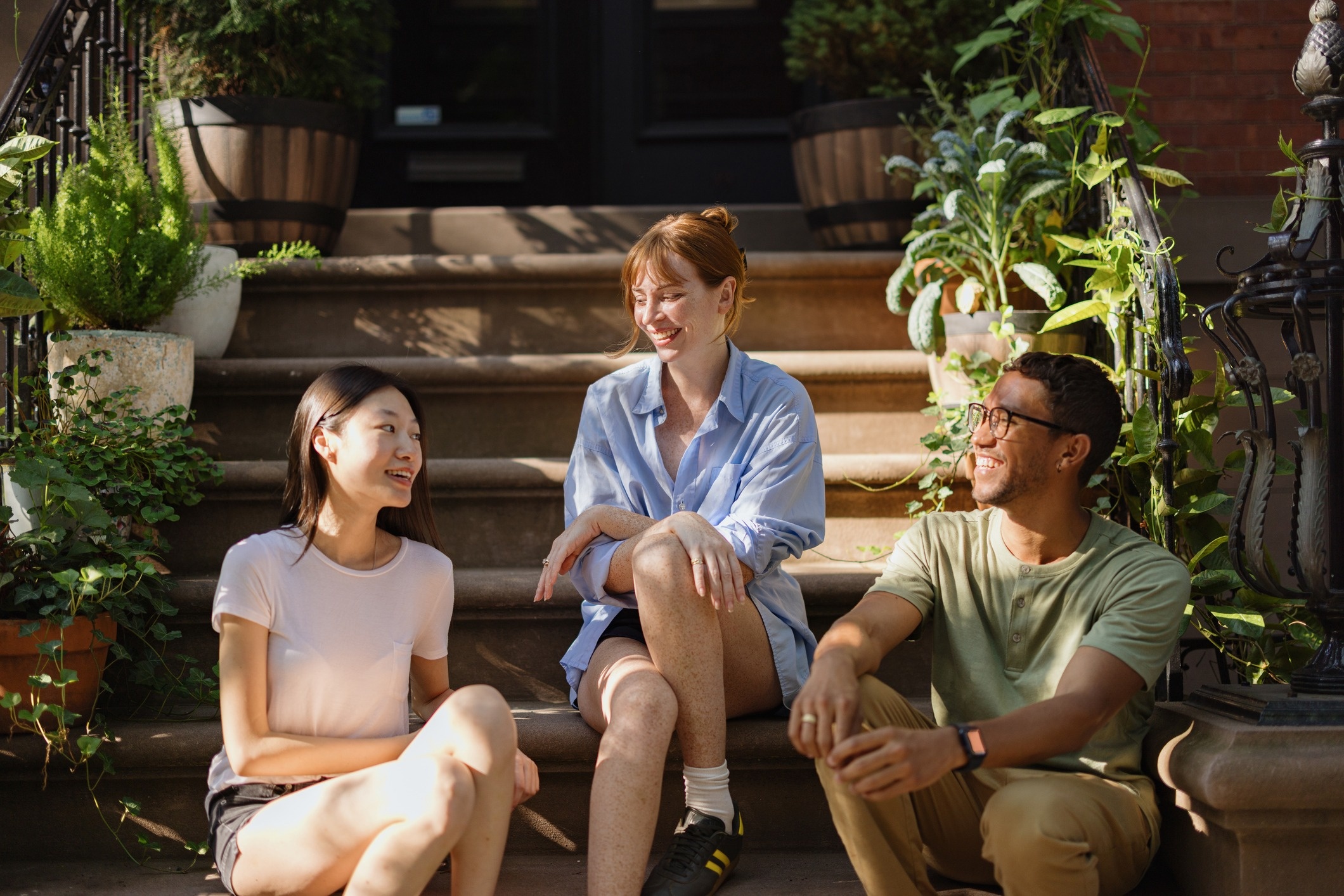
Not necessarily.
While many of the neighborhood gathering places previous generations relied on have disappeared or become less accessible, the need for them hasn’t. If anything, the growing popularity of run clubs, hobby groups and community events shows just how much people are craving spaces where connection happens naturally. The good news is that while we may not be able to bring back every local diner or neighborhood hangout, we can be more intentional about creating opportunities for community. Sometimes that means seeking out modern versions of third spaces. Other times, it means becoming the reason one exists.
While many of the neighborhood gathering places previous generations relied on have disappeared or become less accessible, the need for them hasn’t. If anything, the growing popularity of run clubs, hobby groups and community events shows just how much people are craving spaces where connection happens naturally. The good news is that while we may not be able to bring back every local diner or neighborhood hangout, we can be more intentional about creating opportunities for community. Sometimes that means seeking out modern versions of third spaces. Other times, it means becoming the reason one exists.
Be the Reason a Community Exists

Instead of waiting for community to find you, look for opportunities to become a regular somewhere. Start by paying closer attention to what’s happening around you. Join your neighborhood Facebook group or Discord, subscribe to a local newsletter or follow your favorite small businesses to hear about pop-up markets, book clubs, craft nights and community events. You might stumble upon an outdoor movie night in the park, a volunteer cleanup, a farmers market or a weekly trivia night you’d never have known existed otherwise. Find something that genuinely interests you, then keep showing up. That’s the whole mechanism. Community doesn’t come from one good conversation—it comes from enough repeated moments that a stranger becomes a familiar face, and a familiar face becomes someone you’d actually call.
And if you can’t find the kind of space you’re looking for, there’s nothing stopping you from creating one. Some of the strongest communities begin with one person deciding to host a monthly dinner, organize a walking group or start a book club with a few neighbors. Third spaces have always existed because people made room for them, and while they may not be as common as they once were, that doesn’t mean they’re gone for good. It simply means community has become something we have to build more intentionally than previous generations ever did.