The digital age and short-form content epidemic has done more than take away our attention spans, the instant gratification and dopamine loops have disrupted our brains’ reward systems making even basic activities challenging. If you feel frustrated with your inability to complete tasks or go more than 20 minutes without checking your phone away, you’re not alone. Our brains were not built for the overwhelming amount of content and stimulation we interact with on a daily basis. Fortunately, there are ways to retrain your brain to do hard things, aka, all the tasks we would like to complete in order to meet our goals, along with regaining our motivation in the process. However, it’s not just about ending your phone addiction — it’s vital to also strengthen the brain’s reward system so that it’s responsive to slow dopamine.
Understand Why Your Brain is Addicted to Dopamine
Every time you scroll, get a like or watch a short video, your brain releases a small burst of dopamine. Over time, this trains your brain to expect quick, frequent rewards and anything that requires more effort to pay off (like a workout or reading a book) starts to feel unbearable by comparison. The goal issue isn’t dopamine, it's recalibrating your brain so it can find satisfaction in tasks that have slower releases when it comes to the chemical.

Start With a Dopamine Reset
Before you can build new habits, it helps to give your brain a break from constant overstimulation. This doesn't mean breaking up with your phone altogether, it means carving out pockets of time where you avoid screens, social media, junk food and other easy dopamine activities. It helps to explicitly choose to engage in low stimulation activities like meditating, going for a walk without headphones or doing chores around the house. Building a tolerance to “boredom,” makes it easier to engage in activities that don’t reap immediate rewards.

Use the Ten-Minute Rule to Start Tasks
One of the biggest reasons hard tasks feel impossible is that we psych ourselves out before we even start. Instead of telling yourself you need to work or exercise for an entire hour, commit to just ten minutes. Usually the first couple of minutes engaging in any low stimulation activity feels unbearable, but after around the ten-minute mark, you begin to reach a flow state.

Practice Delayed Gratification Intentionally
Small, deliberate acts of delay help retrain your brain's reward pathways. Try resisting the urge to check notifications for half an hour, finishing at least one task on your to-do list before allowing yourself a break or saving a sweet treat until after you've completed something difficult. Over time, practicing small delays teaches your brain that gratification is still coming, just not instantly, which makes it easier to tolerate longer stretches without a reward. Additionally, you’ll begin to experience a steady release of dopamine associated with engaging in and completing hard tasks which is all around much more satisfying than quick dopamine hits.

Replace, Don't Just Remove
Willpower alone rarely wins against hardwired habits. Instead of trying to stop scrolling, replace the behavior with something that still brings the feeling of reward, but at a slower pace. Cooking, going for a run or crafting can all become sources of dopamine once your brain relearns to associate effort with reward.

Track Small Wins
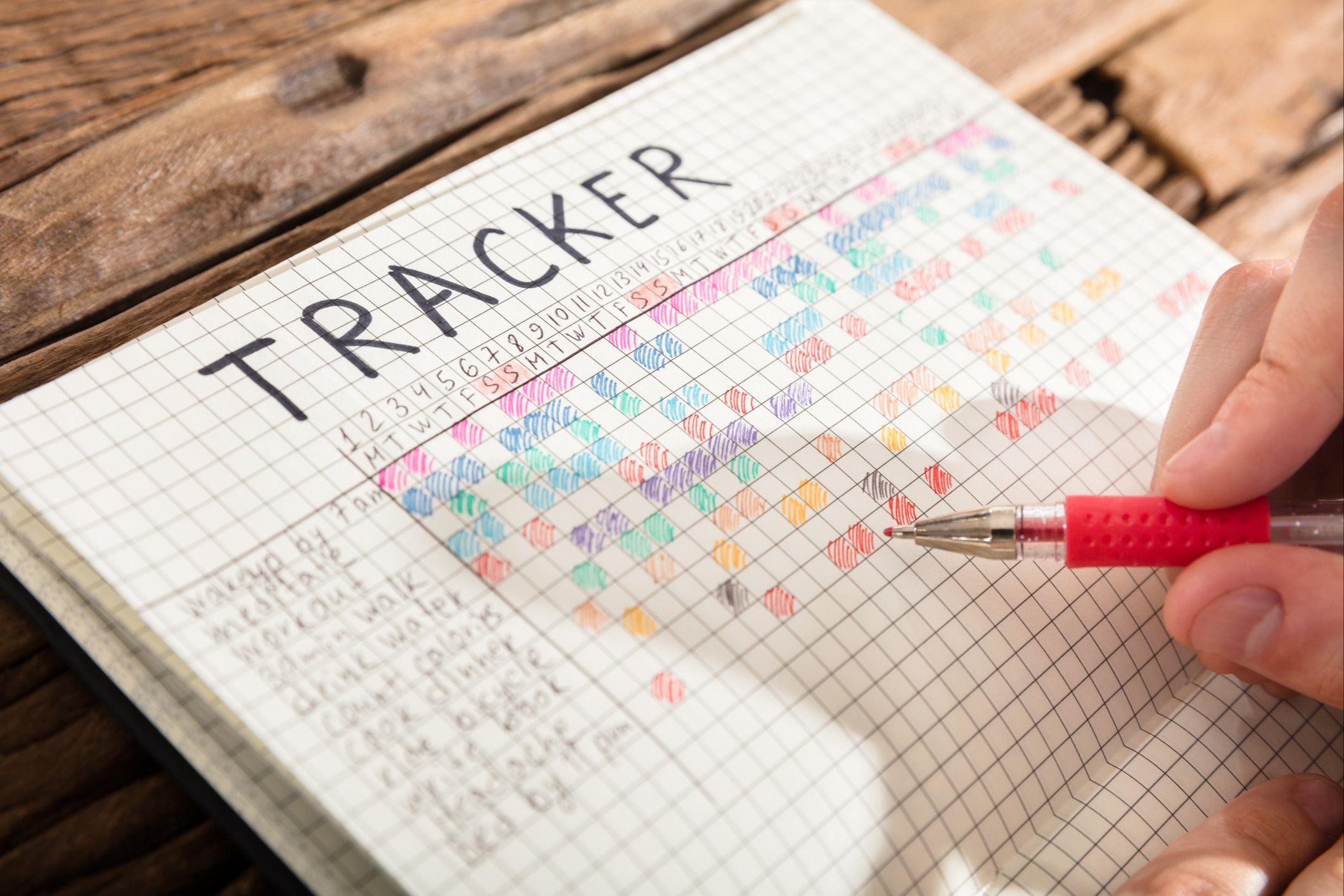
Your brain needs proof that effort pays off. Keep a simple habit tracker for the tasks you complete, especially the ones you used to avoid. Seeing tangible progress reinforces the connection between doing hard things and feeling good, which is exactly the loop you're trying to rebuild.
Be Consistent, Not Perfect
Retraining your brain isn't an overnight process, and there will be days you slip back into old patterns. What matters most is returning to the practice rather than abandoning it altogether. Each time you choose the harder option, whether that's putting your phone away or pushing through a task you'd rather avoid, you're reinforcing the neural pathways that make discipline easier over time.
Rebuilding your brain's tolerance for hard things doesn't require a total lifestyle change, just minute, repeated choices that remind your brain slow rewards feel better and last longer.