


For well over a decade now, since the rise of YouTube, becoming an influencer has been one of the greatest aspirations of young people. Now those same young people are logging off in favor of analog hobbies and good ol’ human interaction. Current influencers are becoming increasingly viewed as “out-of-touch,” and the idea of hiking up a screen time average of several hours is seen as gauche. But where are these people going? Are they really headed offline, or is being perceived as being offline seen as a status symbol? Here is what the research is showing.
The Ultimate Goal is to Rebuild Attention
According to a piece by the Economic Times, younger people are not getting offline because it’s just a trend. Many are worried about their attention spans and “brain rot” due to the overabundance of short-form, low-cognitive-effort content like YouTube Shorts, Instagram reels and TikTok. The digital fatigue is only continuing to hike, and many are feeling the drag of low dopamine levels from over-exhausted dopamine receptors. Prioritizing in-person events and classes is becoming a popular alternative to combat the incessant scroll.

Pop Up Events and Classes are In
Going to dance classes or the pottery class you’ve been eyeballing for months is becoming the choice of many Gen Z and Millennial individuals. While these classes never really went out of style, showing up in person instead of online is becoming a new statement (and active choice for many). Additionally, many brands are favoring and creating a surge of in-person activations or pop-up events for the world of influencing. It’s a way to bridge the gap between online and offline.
Long Lost Hobbies are Being Rediscovered
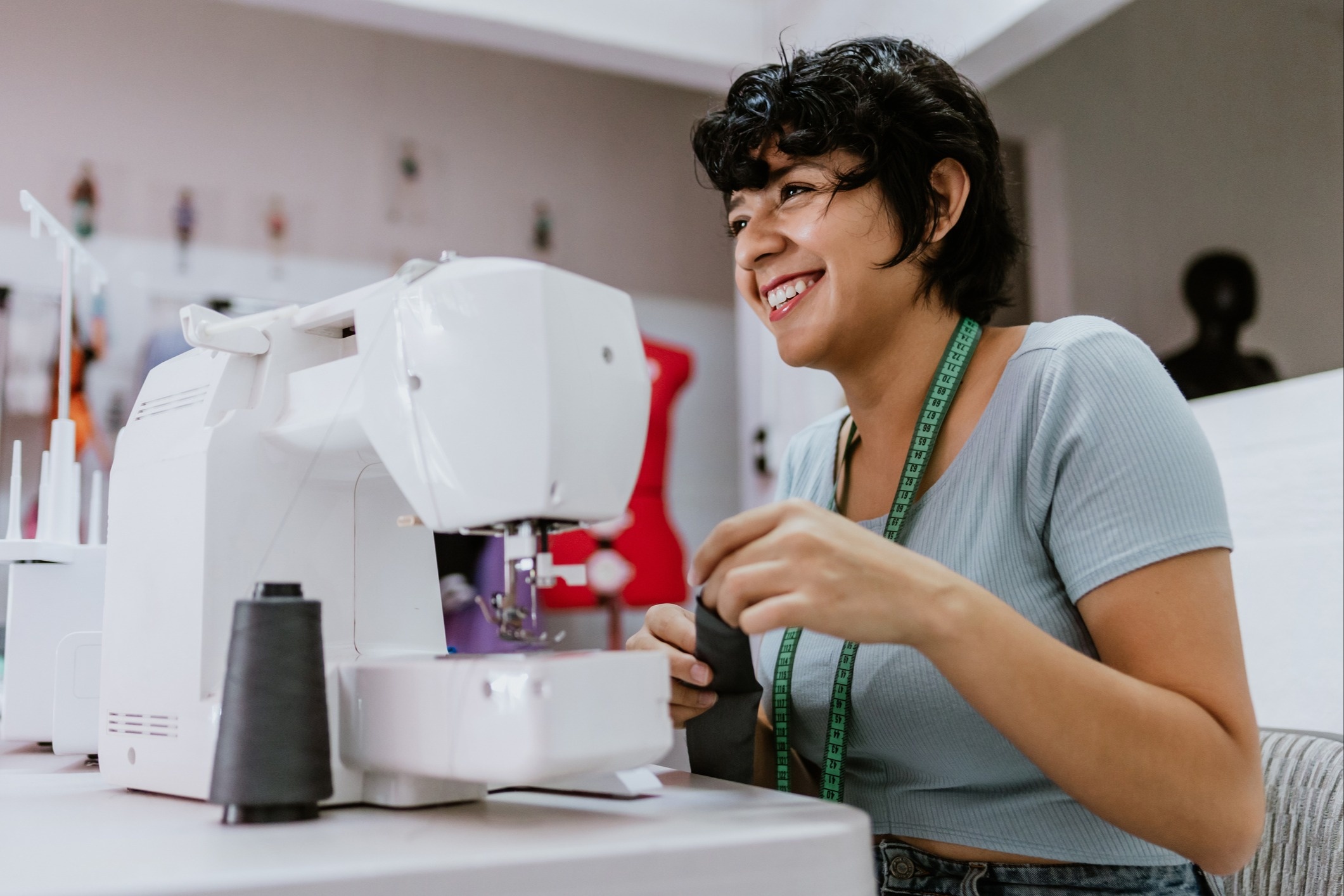
Have you lost touch with the hobbies you loved when you were younger? Maybe your sewing machine is collecting dust, or you haven’t been for a swim in years; perhaps you’ve forgotten the joy of sitting down and painting something you could be proud of making. Now is the time to reconnect with those long-lost sparks of your past. In addition to picking up hobbies once again, displaying intellectual engagement and long-form content is what tends to be resonating most with younger audiences.
People are Swapping in Instagram for Substack
With the move offline, there is also a rise in intellectualism once again. This time can be seen as an unofficial second Renaissance, favoring studiousness and self-expression through art. Brands, celebrities, influencers and regular social media users alike have caught wind of the alternative online platform, Substack, where long-form essays, thoughtful notes and mutual engagement are heavily rewarded. Unfortunately for the pre-offline wave people who utilized Substack as a safe corner of the internet, the platform is attracting everyone and their mother, literally.

Key Takeaways
While it’s trendy to be seen as opting to be offline, the actual events taking place are people’s natural yearning for a digital detox and to be stimulated intellectually once again. Most have not outright deleted all their accounts but rather decided to show up online more intentionally. Whether it’s setting time limits, weeding out the content you interact with or committing to more long-form modes of media, there’s a way to know what’s going on online while staying mostly offline.