

What do we think of when we think of Mother's Day? Overpriced flowers, cringey cards and weird mugs. Or maybe we think of it as a time to celebrate our mamas who have always been there when we needed them most, a good excuse to get up early and bring some pancakes to their room; at least today we can put those extra two cents we forget we had in our pocket for most of the year. This past weekend we got to do just that, but to some, at least the founders, Mother's Day is truly a time to protest against the violence in our world, and who better to create that warmth and justice than those who are mothers to the people who fight for our nation? There are two different ways to understand where Mother's Day comes from, and it's all about perspective, so now that the weekend is over, let's get into both.
It Started With Fresh Bread and a Day Off
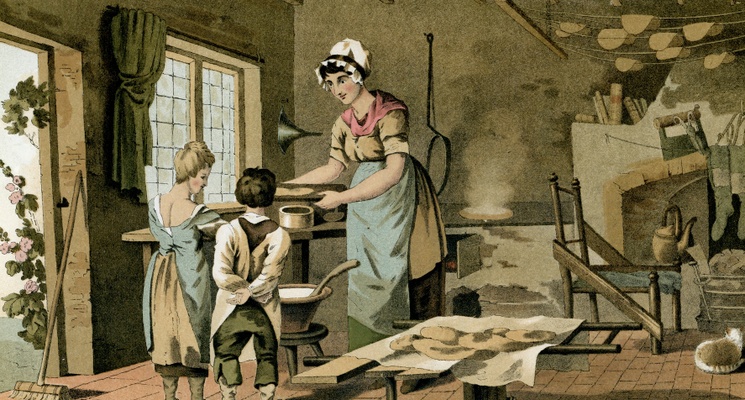
Before the idea of Mother's Day came to be, folks celebrated Refreshment Sunday, the fourth Sunday of Lent, when people would go to their mother church for service. It also became a time when domestic servants were allowed the day off and one of the only occasions when families could enjoy a delicious meal together at home after Sunday service. Families decided the day was a good time to indulge and go all out. While the mother would be crowned queen of the feast, the idea of waking up to the smell of fresh-baked bread and spending time at home with the whole family slowly turned Refreshment Sunday into Mothering Sunday.
A couple centuries later, Anna Jarvis decided to hold a memorial for her mother and everything she had done. But the story of how we got here is bigger than one woman and one memorial. It starts with fury, loss and a group of women who had simply seen enough.
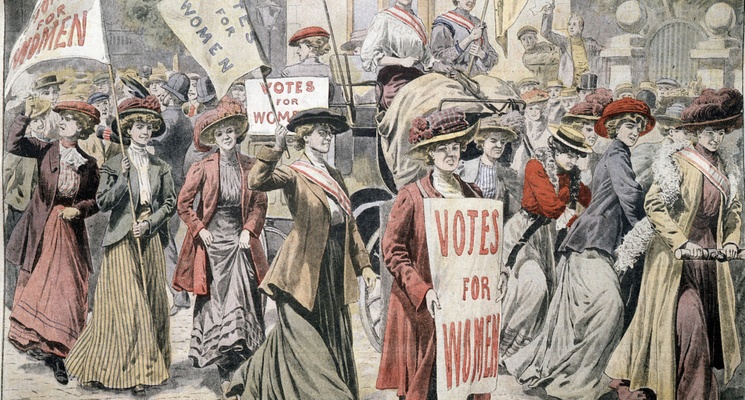
In 1870, Julia Ward Howe, the woman behind the Battle Hymn of the Republic, had watched the Civil War tear families apart and was watching the Franco-Prussian War do the same abroad. So she wrote what we now call the Mother's Day Proclamation, a rallying cry calling on mothers everywhere to unite and demand an end to war. Her argument was simple and devastating: mothers were the ones raising the sons being sent off to kill other mothers' sons. Someone had to say stop, and she believed it had to be them.
The Woman Who Turned Grief Into Action
Around the same time, a woman named Ann Maria Reeves Jarvis was doing that same quiet, powerful work in the hills of West Virginia. She had lost most of her own children to diseases like diphtheria and measles, the kind of preventable tragedies that were all too common in Appalachia at the time. Instead of turning inward with her grief, she turned outward. She started Mothers' Work Clubs, organizing women in her community to improve local hygiene and public health so other families wouldn't have to go through what she did. She knew what it meant to love someone with everything you had and still lose them, and she refused to let that be someone else's story if she could help it.
It was her daughter, Anna, who carried that legacy into something the whole country would eventually recognize. Anna never had children of her own, but she was devoted to her mother's memory and believed that devotion deserved a real, official day. She chose white carnations as the symbol and pushed hard for something personal, handwritten letters, genuine gratitude and the kind of love you actually put effort into. In 1914, President Woodrow Wilson made it official, declaring the second Sunday of May as Mother's Day.
The Holiday That Got Away

And then, almost immediately, it became everything Anna hated. The cards, the flowers and the postage stamps — the whole commercial machine rolled in and swallowed the holiday whole. Anna spent years fighting it, even getting arrested for protesting the commercialization of the very holiday she created. The Florists' Review openly admitted they wanted to cash in. Anna had wanted something real. She got a greeting card industry.
Regardless of how you spent your Mother's Day this Sunday, we hope you had an excellent time. Somewhere between the fresh bread in the oven and the protest in the street, between the queen of the feast and the woman who said no more war, that's where Mother's Day actually lives. It has always been about recognizing that mothers hold something powerful. The warmth they create, the grief they carry and the fight they show up with anyway. Whether you spent the weekend bringing breakfast in bed or just took a moment to think about what that love means in a bigger, messier world, you were tapping into something that goes back centuries.