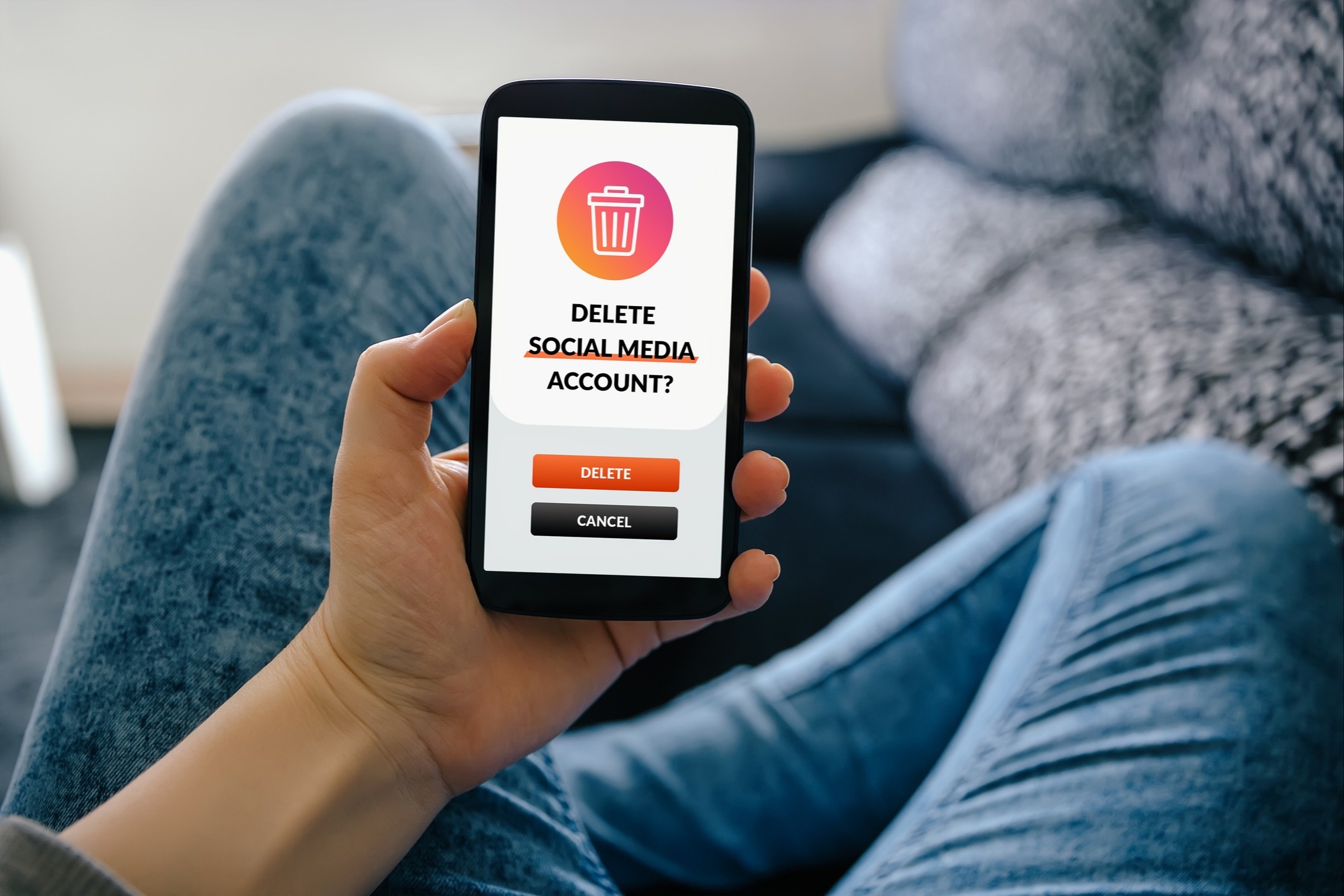
1. Perform a Radical App Audit
The first step to a simple phone lifestyle is removing any unnecessary apps. Delete social media apps, games and news outlets. If you really need to check Instagram, do it only on a desktop. Through removing the doomscroll and dopamine rush apps, you revert the phone back to its original purpose: communication.
2. Turn on Gray Scale
Our brains are wired to respond to the bright, saturated colors of app icons and notifications. Neutralize this by turning on grayscale mode in your accessibility settings. When your screen is void of color, it becomes significantly less enticing to interact with. Apps lose their addictive luster when they look like a newspaper, making it much easier to put (and keep) the phone away.
3. Silence the Notifications
A phone should be picked up only when you need it, not as a barrier to social interaction or as a habitual, unconscious motion. Go into your settings and turn off notifications for every app except direct communication: Phone, Messages and maybe Whatsapp. If it isn’t a person trying to reach you, it can more than likely wait.

4. Strip Down Your Home Screen
A cluttered home screen almost always makes for a cluttered mind. Move all your essential utility apps (Maps, Notes, Wallet) into one folder. Your main home screen should be virtually vacant except for, ideally, these four apps: Phone, Messages, Camera and Music.
5. Quit the Browser Usage
Safari is the ultimate temptress on our phones. If you’re serious about making your phone just a phone, consider disabling it altogether. By removing the ability to look up every random thought that pops into your head, you force yourself to stay present and think through problems without the immediate gratification of a Googled answer.
6. Establish a Physical Docking Station
In the flip phone age, we didn't carry our phones from room to room at home with us. Treat your smartphone like a landline. Create a station by the front door or in the kitchen so that when you’re home, the phone stays there. This simple physical boundary breaks the habit of endless phantom reaches, where you check your phone just to check it.

7. Prioritize Into Analog Alternatives
To make sure your phone only has the functions of a phone, you have to find other tools for the jobs it used to do. Buy an alarm clock (like this one from Hatch) so your phone doesn't stay on your nightstand. Carry a physical notebook for lists and thoughts. Invest in a digital camera for memories. The more you offload these tasks to analog tools, the less power the smartphone has over your daily life.