Health tracking started out like a friendly neighbor who offered to keep an eye on things while you were out of town. Then it moved in, started leaving reminder sticky notes on the fridge and began grading your lunch. All you wanted was a little accountability and you ended up with a roommate who sighs every time you sit down.
You’re not alone in the wellness tracking fatigue. A recent survey found that 45% of people who use health apps feel burnt out every week from keeping up with all the logging. Add the potential disappointment that comes with a missed goal, and it’s no wonder people are tapping out.
The 10,000 Steps Story
That magic 10,000 steps a day number never came from a doctor. In 1965, a Japanese company sold a pedometer called the Manpo-kei, which roughly translates to “10,000 steps meter,” and the name was catchy enough to outlive the gadget by decades. Researchers have since found that for adults under the age of 60, real benefits kick in with a sweet spot between 8,000 and 10,000 steps. So the number on your wrist is more of a slogan than a finish line.

Sleep Scores Are Keeping You Up
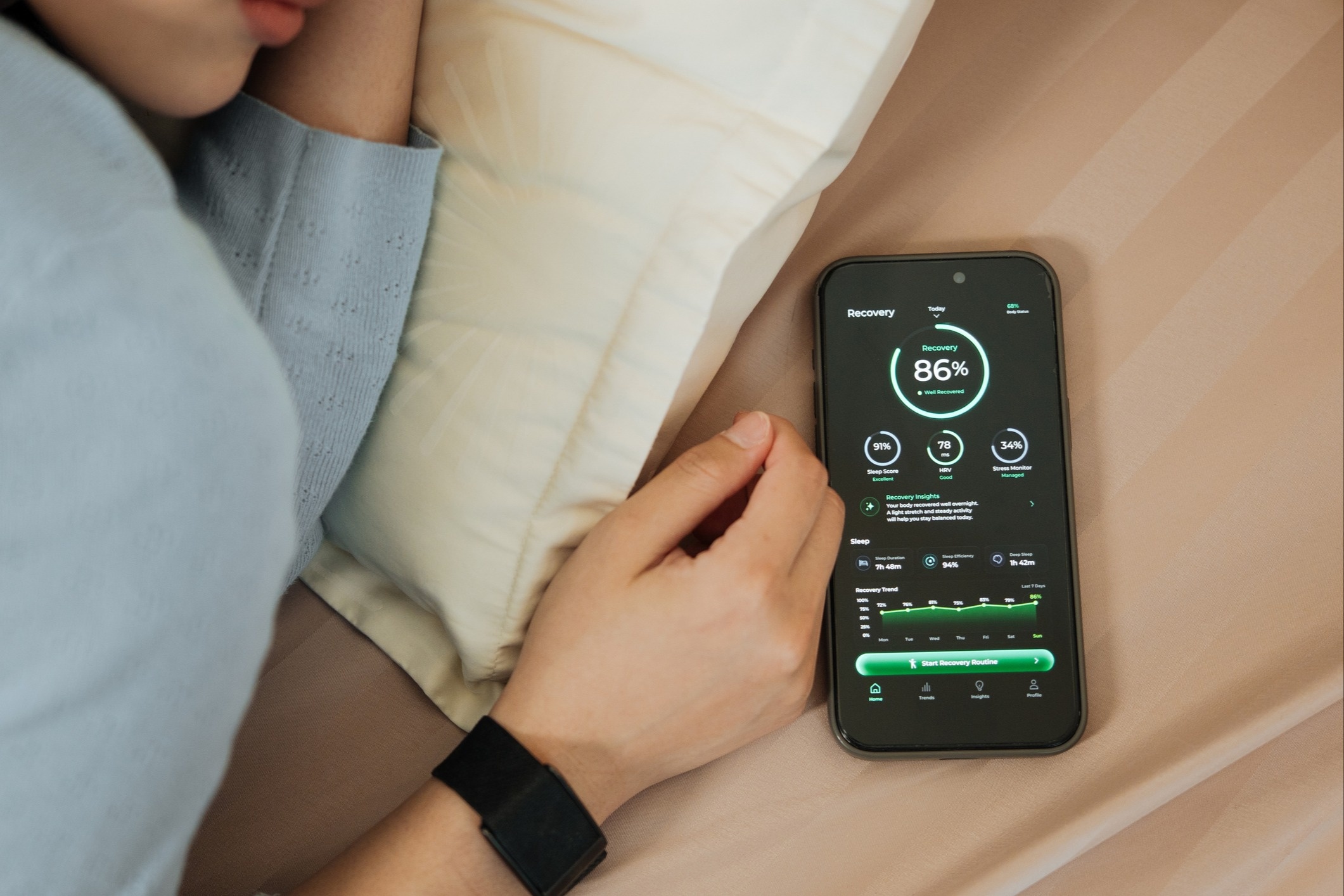
You wake up feeling rested after a night of sweet dreams about winning the lottery, glance at the app and learn you slept poorly. Suddenly you feel worse than you did two minutes ago, which is a lot of power to hand over to a bracelet.
Sleep doctors began noticing this pattern and gave it a name: orthosomnia. It describes people who get so wrapped up in perfecting their sleep numbers that the stress wrecks their rest. Remember that these gadgets also make educated guesses and not lab measurements, so it’s a little like losing sleep over a horoscope.
Calorie Apps Turn Dinner Into Calculus Class
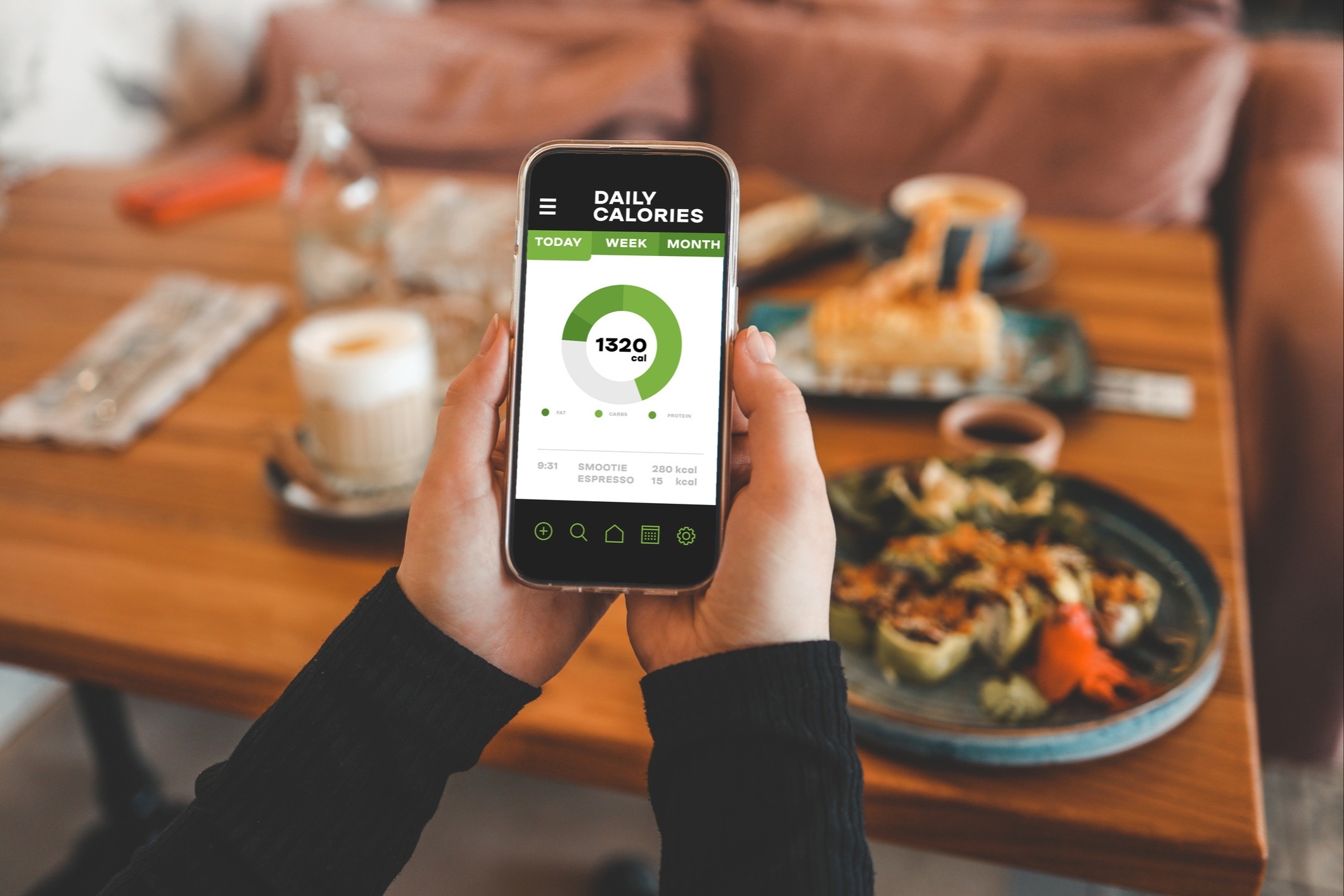
Logging every bite sounds simple enough until you’re standing over a homemade pot of soup trying to guess what counts as one serving. You scan, you weigh and you estimate the olive oil, and by the time you’re done your dinner is cold and you’re still not convinced you hit your macros. Before long you’re one wrong guess away from blowing the whole day on a spoonful of peanut butter you swore was a tablespoon but was really more of a snowbank.
Signs It’s Time for a Break
Tracking gone wrong sneaks up on you, usually while you’re busy feeling proud of your gold-star streak. If any of these sound familiar, it may be time for a tech break.
The number gets the first word. You feel great on your walk until you glance at your pace and the screen basically says you might as well have stayed on the couch. Your own body should get a vote first.
A missed goal feels personal. Being a little annoyed is normal. Feeling guilty, ashamed or anxious over a missed number is your cue to back off.
You’re pacing the hallway at 9 p.m. Nobody wins when you march laps around the coffee table for 400 more steps just so a circle turns green. Movement should leave you feeling better, not like you’re working a second job.
A dead battery wrecks your whole day. If a dead battery has you skipping the gym because it “won’t count,” you’ve started working out for the watch and not for yourself. Your quads don’t care that the watch died, and they’ll remind you about it on the stairs tomorrow.
If you sheepishly raised your hand to any of these, you don’t need a dramatic high-school style breakup with your tracker. Turn off the notifications or tuck the watch in a drawer for a week and see what you notice.
What People Are Doing Instead
Plenty of folks are switching to the original tracking method, which is simply paying attention to your body. They notice whether their energy is steady, whether their mood is holding up and whether the stairs felt easy or like climbing Mount Everest without oxygen.
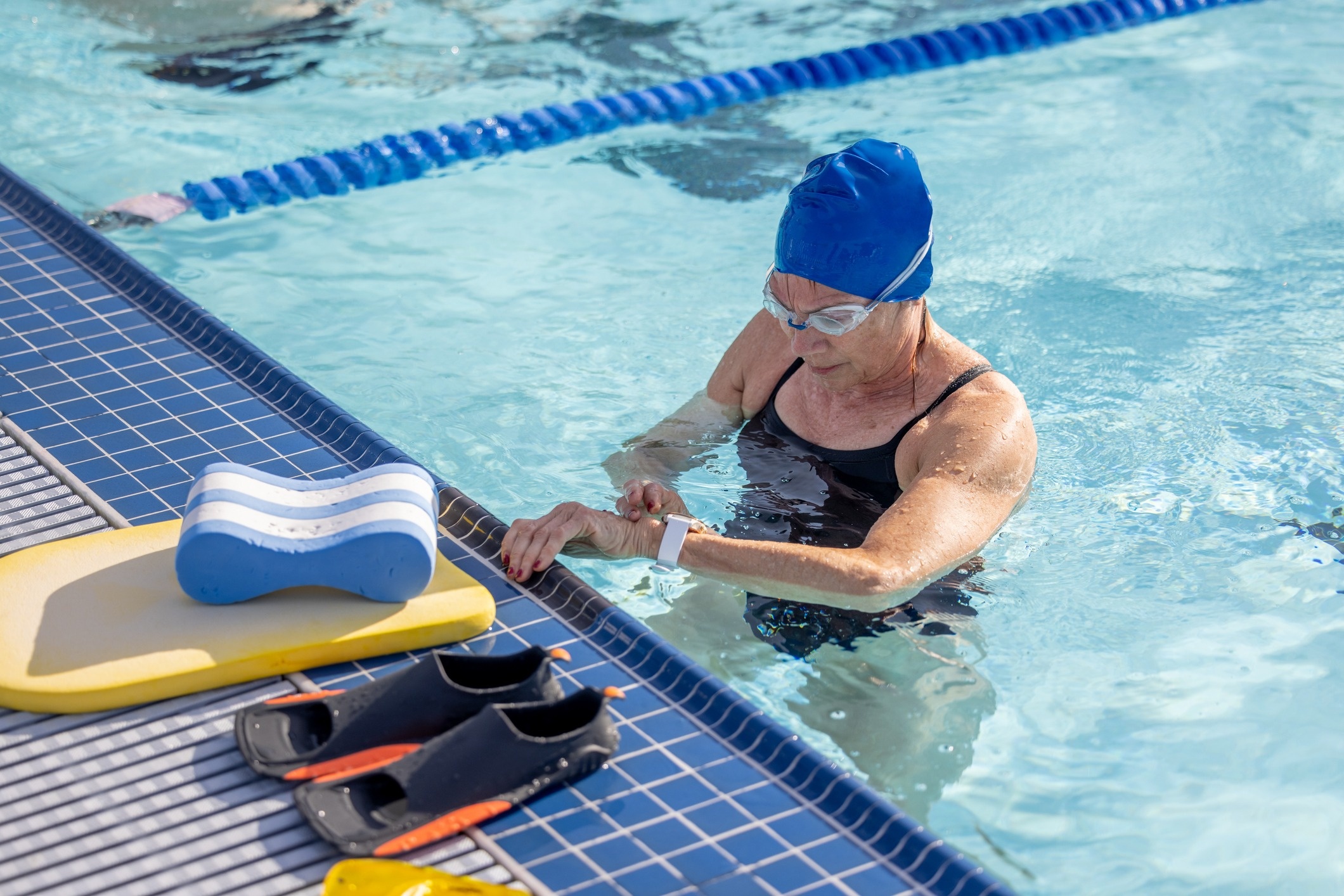
Movement gets measured in time and fun instead of steps. A 20-minute walk after lunch counts whether or not your watch confirms it, and so does chasing the dog around the yard.
For food, your stomach is the app now. Eat when it grumbles and stop when you feel comfortable. Build your plate with a healthy balance of protein, fat and carbs, like chicken with rice and roasted veggies. An hour or so later, check in with yourself. Steady energy means that meal was a good fit, and a slump on the couch feeling bloated is your cue to tweak the meal next time.
For sleep, it comes down to a consistent bedtime routine. Head to bed around the same time most nights, dim the lights an hour or so before and wind down with a book or a warm shower. The phone charges across the room or, even better, outside the bedroom, so your brain gets the memo that the day is over.

Keep What Earns Its Spot
None of this means every tracker belongs in the junk drawer. If your doctor has asked you to monitor blood sugar, blood pressure or weight, keep going and check with them before changing anything.
Some tools can earn their place for a season. Training for a 5K, easing back into movement after a break or testing a new bedtime routine are all good reasons to track for a few weeks. Then you put the tracker away and keep the habits.
Try this: If a number leaves you feeling informed or motivated, it stays. If it leaves you feeling judged, anxious or like you got called out in front of the whole class for drinking too little water, it’s time to set it free. No gadget is worth your peace of mind.
Try this: If a number leaves you feeling informed or motivated, it stays. If it leaves you feeling judged, anxious or like you got called out in front of the whole class for drinking too little water, it’s time to set it free. No gadget is worth your peace of mind.