The first time I spotted a jar of nutritional yeast on a friend’s counter, I assumed she owned a very classy goldfish. Pale yellow flakes with a label that read “nooch,” which sounded to me like something Paul Rudd would say in “I Love You, Man,” right after “Totes McGotes.” Turns out the flakes were for her dinner, not the fish, and she wasn’t kidding when she said she puts them on everything.
Nutritional Yeast Is a Fungus That Tastes Like Cheese<!--EndFragment-->
Nutritional yeast is a fungus, but so are mushrooms, so don’t write it off just yet. It’s the same species bakers and brewers use, called Saccharomyces cerevisiae (no wonder they went with nooch), except this batch was raised on sugarcane or beet molasses and then heated until it stopped being alive. A dead yeast can’t make bread rise or beer fizz, so its only job now is to up the yummy factor of your food.
After that it gets washed, dried and crumbled into flakes that look like the golden dust at the bottom of a cheese puff bag. They taste a bit like it too, since deactivating the yeast releases amino acids, including glutamic acid, which is where the savory umami flavor comes from. The result is nutty, tangy and surprisingly cheesy.
Nooch may sound like the newest thing in the health food aisle, but it’s anything but. Chemists figured out in the early 1900s that the yeast left over from brewing beer was packed with nutrients, and Red Star sold the first nutritional yeast flakes in 1950.
Make Sure You Grab the Right Jar
That brewing history is why the yeast aisle can get confusing.
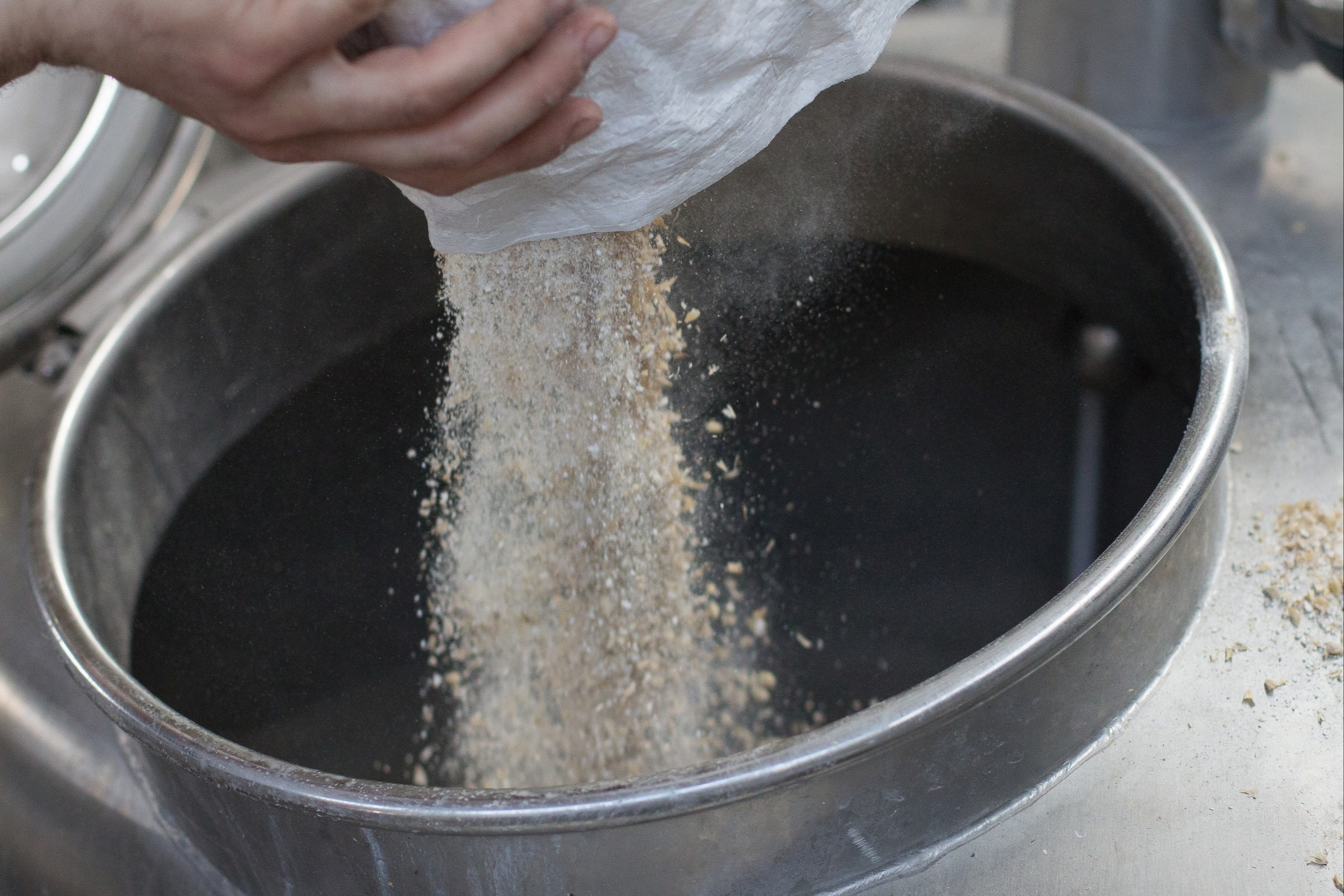
Brewer’s yeast is what’s left behind when beer is brewed, and on popcorn it would taste like a flat beer somebody left out after the barbecue. Active dry yeast isn’t any better for dinner, since it belongs in a warm bowl of dough, puffing up under a kitchen towel. Nutritional yeast is the one you want on your plate.
Just know that fortified brands are heavy on niacin, so a big pile can leave you blushing like you’ve got a very juicy secret you’re dying to spill. Go easy on the shaker if you have Crohn’s disease or another inflammatory bowel disease, since yeast can make symptoms worse for some people.
Why Vegans Swear By It
Giving up cheese is a lot easier when something in the pantry can fill the gap. Other vegan cheese hacks want a blender, a soaking schedule and a cashew budget, but this one just wants a sprinkle. Nutritional yeast also helps with B12, the vitamin your body needs to make red blood cells and keep your nerves healthy. B12 mostly comes from animal foods, so vegans have to find it somewhere else, and many brands add it right into the flakes.
The additional nutrition is a nice bonus, too. A quarter cup has about 60 calories, 8 grams of protein and 3 grams of fiber, with hardly any fat or sodium. It also contains all nine essential amino acids, so it’s often called a complete protein, which is a big deal for vegans. Nobody scarfs down a quarter cup in one sitting, though. A tablespoon or two is usually enough, so think of it more as Robin, not Batman.
Easy Ways To Start
Now for the fun part.
Nutritional yeast packs a lot of flavor, so ease into it. Your shaker hand will want to get ahead of you, but it's not the boss of you.
- Popcorn: Shake it on while the popcorn’s still hot so it sticks. A little olive oil or melted vegan butter helps it cling, and movie night is sorted.
- Pasta: Shake it over noodles like the green can of Parmesan you grew up with on pizza night, or stir it into a creamy garlic and olive oil sauce.
- Tofu scramble: Stir it in as the tofu cooks and breakfast gets a cheesy, savory kick.
- Baked potatoes and roasted veggies: Sprinkle it on right after they come out of the oven, while they’re still steaming.
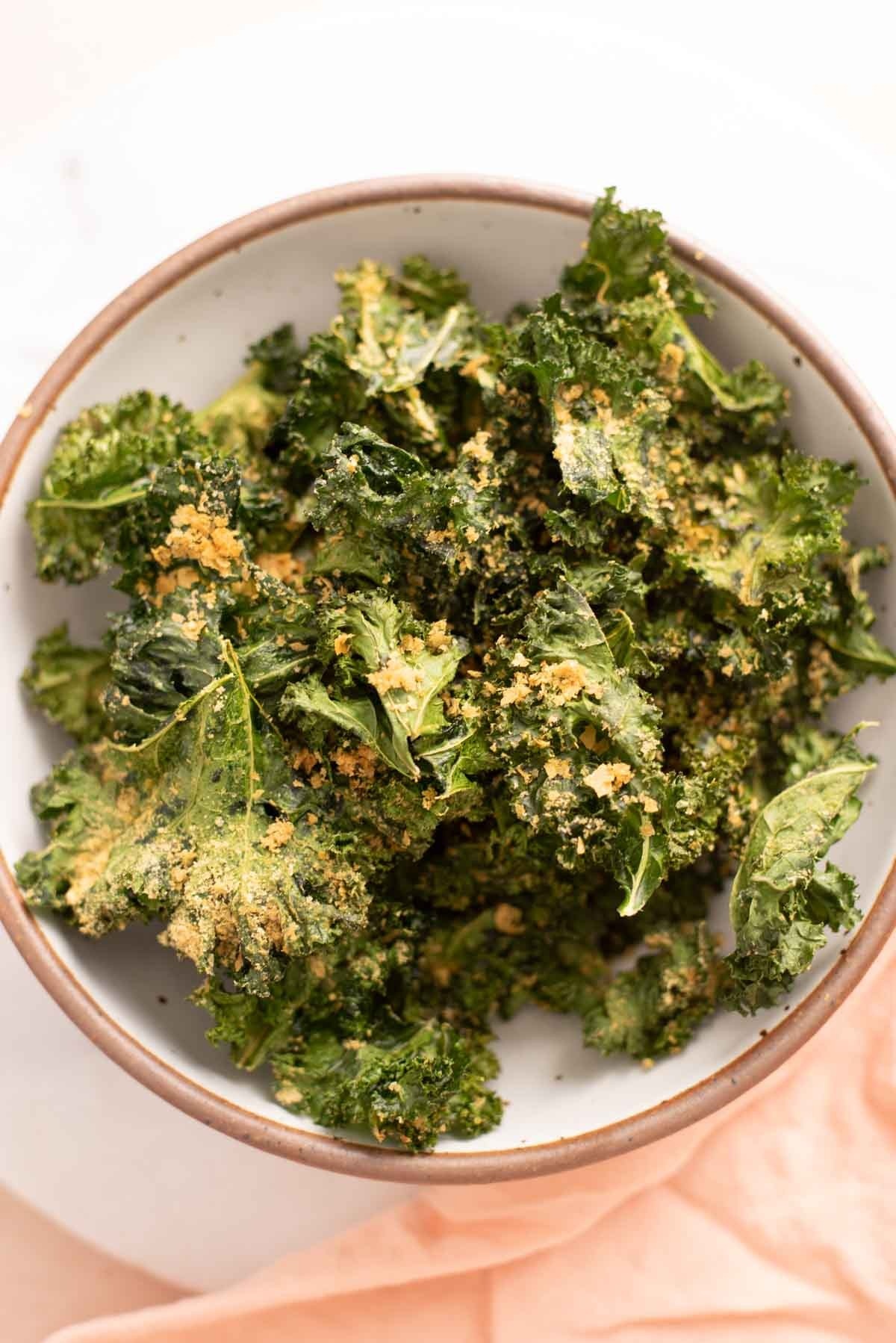
- Kale chips: Toss the kale with it before baking for chips with a cheesy edge.