


Swimming has always had a loyal following, but lately it's becoming bigger than an activity typically associated with young kids or older adults alone. Part of that has to do with how the fitness world has shifted overall: high-impact, high-intensity workouts are becoming less favored over low-impact exercise that's easier on joints while still building strength and endurance. Swimming checks both boxes, working nearly every major muscle group while putting almost no stress on your knees, hips or back.
Why It Seems to be Suddenly Trendy
A few factors are putting swimming back on the map as a serious, and widely enjoyed workout. Swimming communities have grown steadily, with regular open-water swim clubs forming in major cities. Many meet even throughout the winter season for what's become a mental health practice as much as a physical one. Immersion in water (especially cold water) has been linked to mood and immune benefits, and the communal experience has built a real following for the social aspects as well. Additionally, for casual lap swimmers, many young adults are taking it up more seriously for cardio as swimming works the full body at once without added pressure on joints.
Swimming is Phenomenal for Mental Health
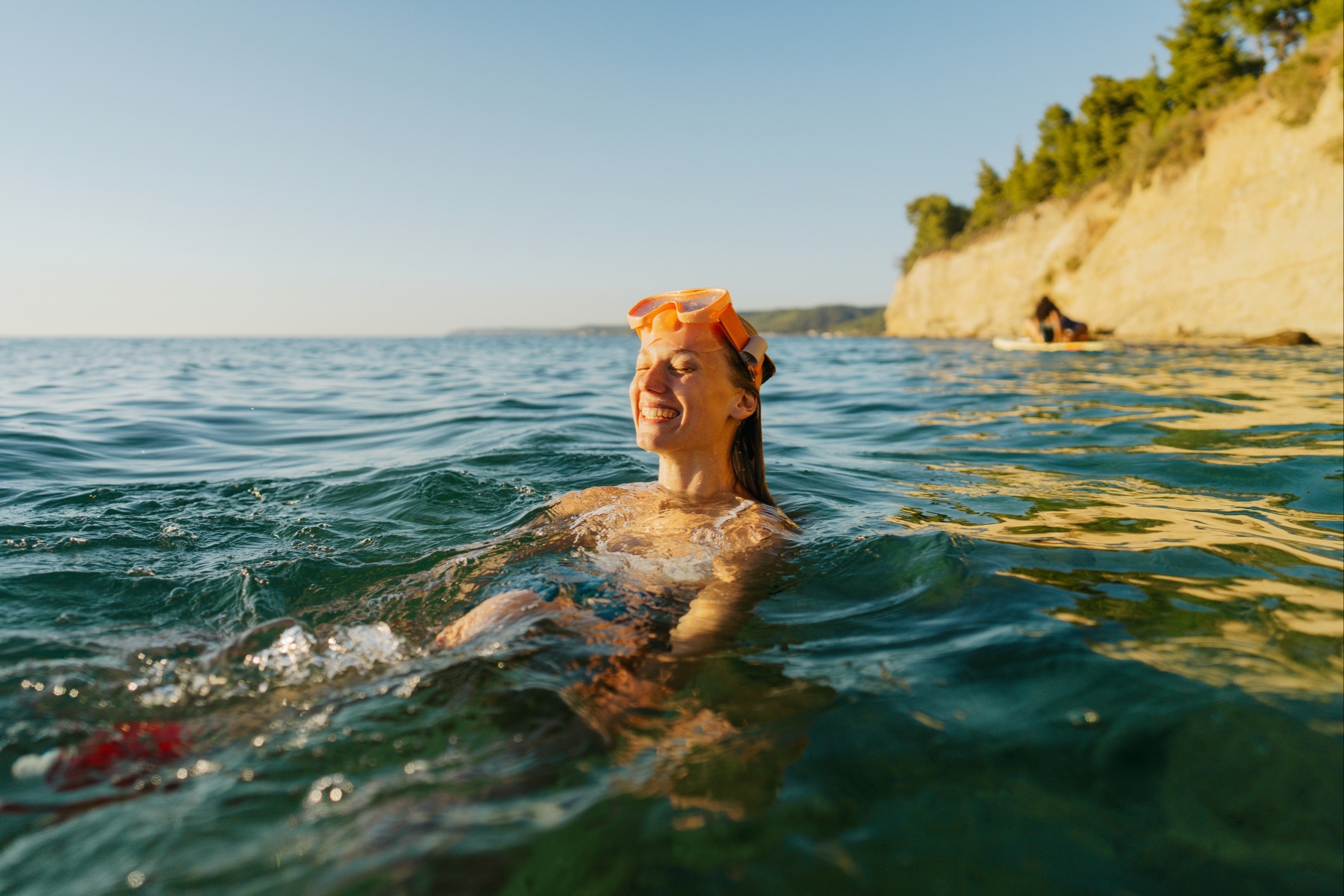
Swimming has a rhythmic, repetitive quality between regular strokes and breathes — that many people compare to a moving meditation. Without a phone in hand or scrolling temptation nearby, it forces a forced presence while engaging in the movement that's rare in most other workouts. The time spent in the water, unplugged from the rest of the world, also creates a sense of quiet and ability to be fully in your body without distraction.
How to Start or Get Back Into It
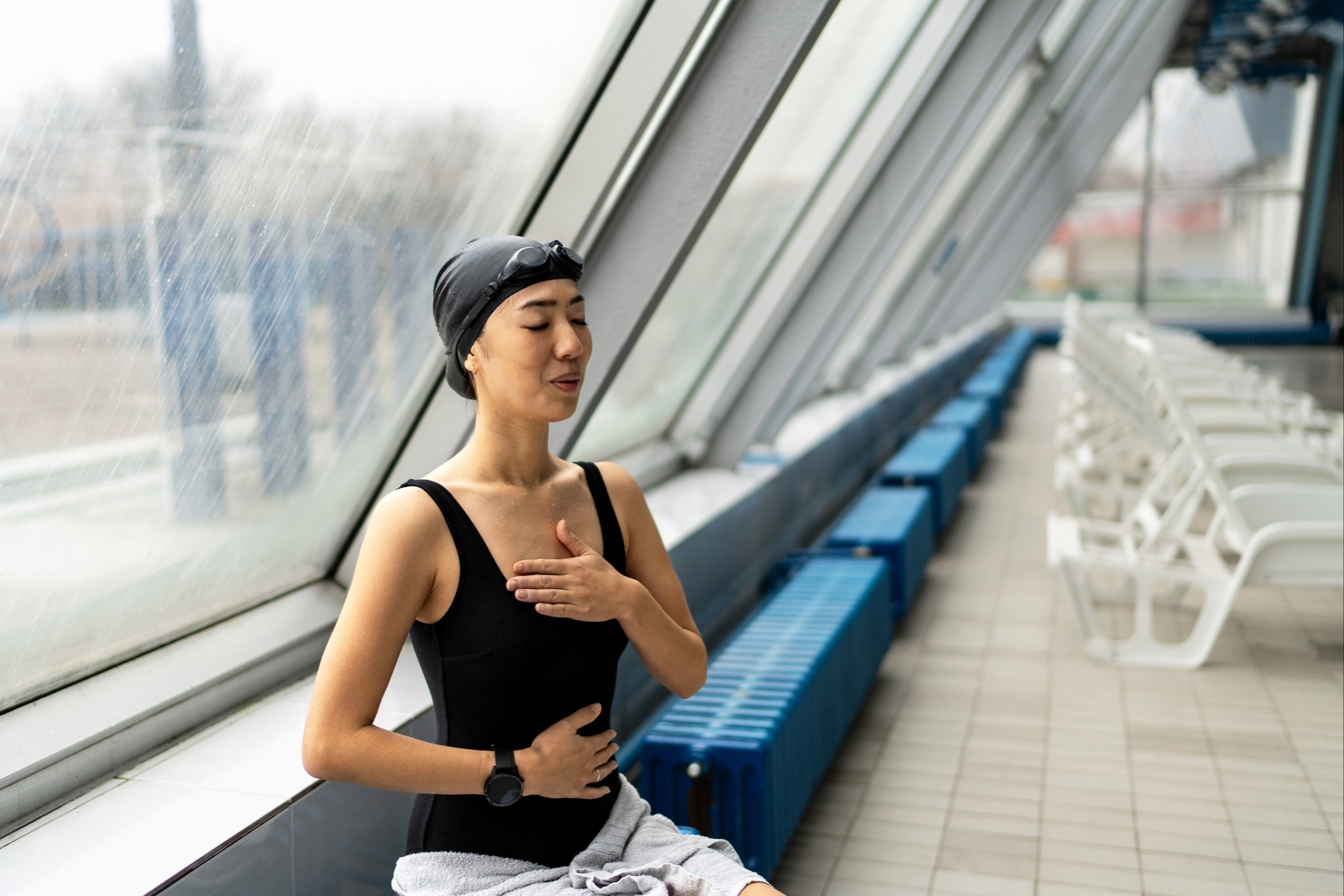
If it's been years since you've done a real lap, don't jump straight into long distance swim goals. It’s as easy as starting with 20 to 30 minutes of easy, mixed-stroke swimming a couple times a week, focusing on getting comfortable with the rhythm before worrying about speed. Many public pools and community centers also offer classes for people of all ages if you need extra coaching. Once you get comfortable in the water again, you can slowly start incorporating regular conditioning sets and create goals for time and distance.
The Gear You Actually Need
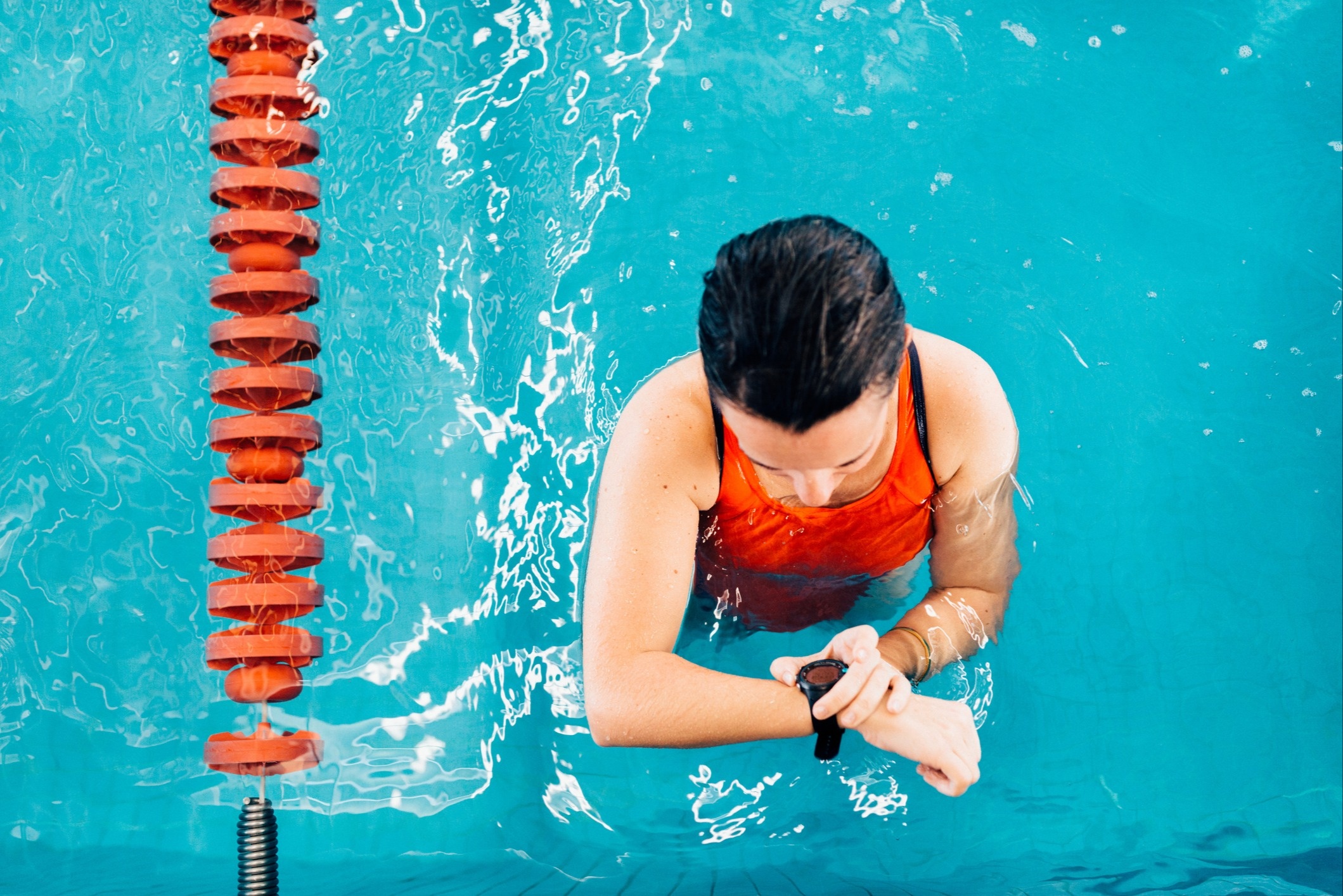
You don't need much to start: a well-fitting pair of goggles, a swim cap if you have longer hair and a proper swim suit (not a suit for the beach). If you’re interested in tracking time and progress, many fitness trackers like Apple Watches and Garmins have more recent versions that are waterproof and easy to wear.
Try Open Water Once You’re Comfortable
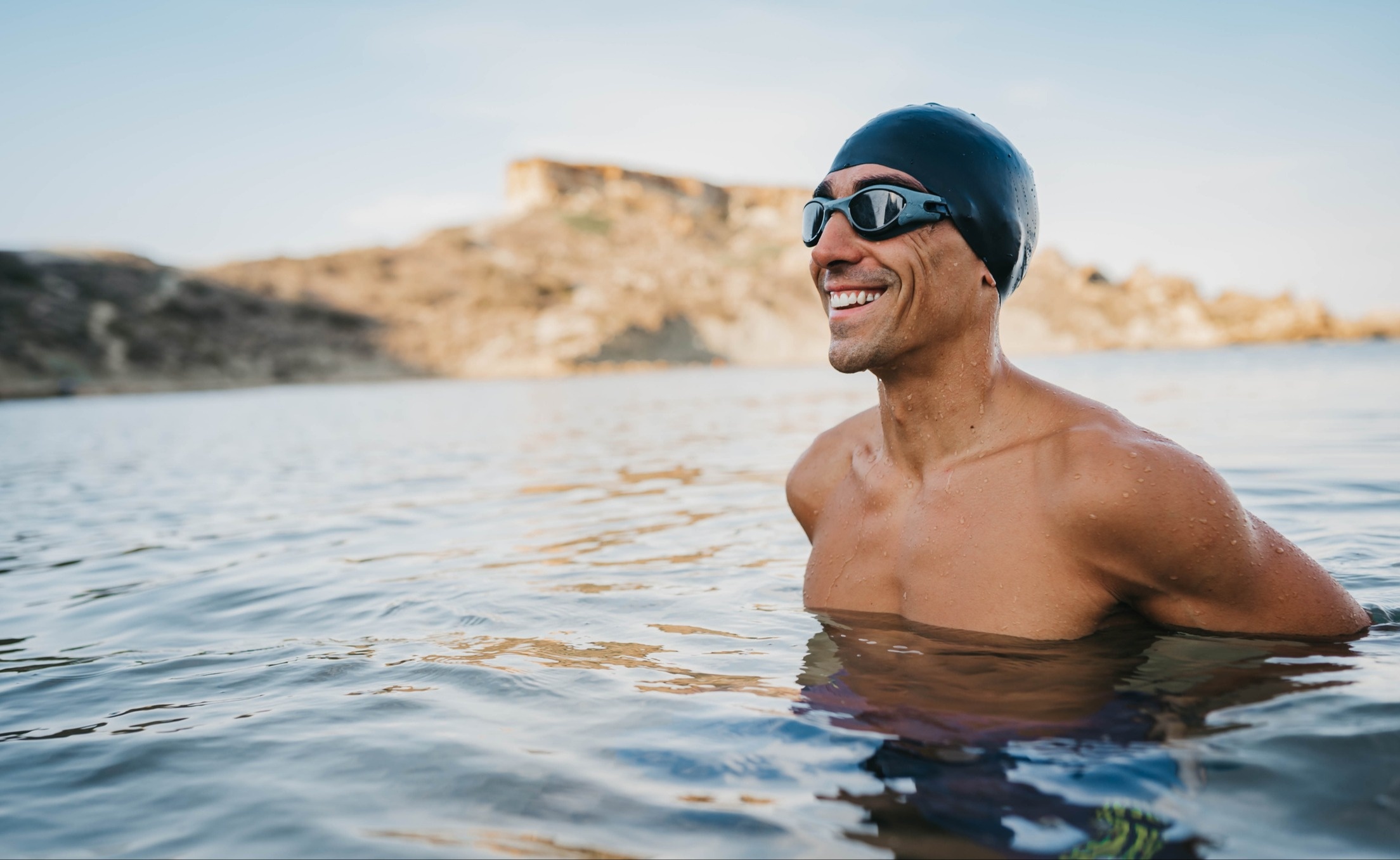
Once pool laps feel easy, open-water swimming is worth a shot, but it comes with its own required set of skills including safely navigating currents and swimming without lanes or supervision. Many local swim clubs offer open-water sessions specifically to help swimmers transition safely, and it's worth going with a group before you venture out alone.
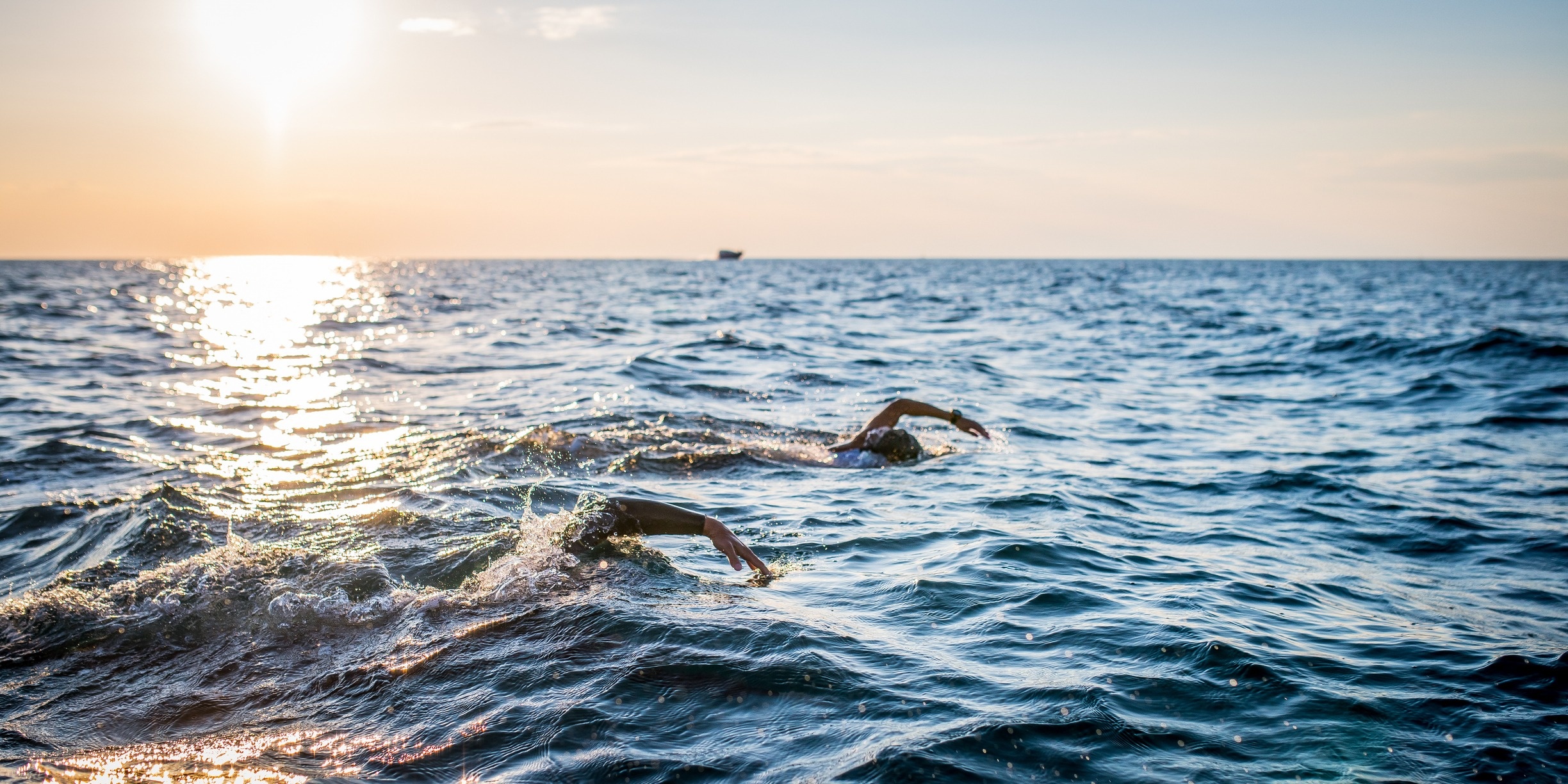
Whether you want to improve your mental health, are looking for a joint-friendly cardio option or just want an excuse to be back in the water, swimming is one of the most effective and calming fitness options. The hardest part is just diving back in, which you can do in no time.