

Your Brain Is the Boss
Somatic movement starts with one idea: that your nervous system, not your muscles, calls the shots on how tight, loose or guarded your muscles feel. Stretching can tug on tissue, whereas somatic work sends a clear message upstream, asking the brain to release tension it has been hoarding like canned goods in a blackout.
The word "somatic" comes from the Greek word soma, meaning body but the whole point is that the brain and body operate as one very opinionated team. Think less fitness class, more software update for a computer that has been running the same glitchy program since 1999.
Pandiculation: the Reset Button
The cornerstone technique in somatic movement is called pandiculation, which sounds like some complicated jargon a doctor would say before delivering bad news but it's almost insultingly simple. It involves gently contracting a muscle, then slowly releasing it, teaching your nervous system what relaxed actually feels like. It's the same instinctive stretch your cat does when it wakes up from a nap; you know your cat is rarely wrong about comfort. Instead of yanking a muscle longer, you're telling it to chill and quit overreacting.

Stretching Isn't the Villain, It's Just Incomplete
Traditional stretching can feel fantastic and it does increase flexibility by lengthening muscle fibers but the catch is that if your brain still believes you need to brace,
it can re-tighten them like it’s rewinding a bad mixtape as soon as you stand up. It's a bit like smoothing the wrinkles in a fitted bedsheet while someone is still lying on it.
Somatic movement goes upstream to address that neurological pattern, so the result tends to last because you've changed the source code, not just put a sticky note over the error message and hoped for the best.

Subtlety Sticks
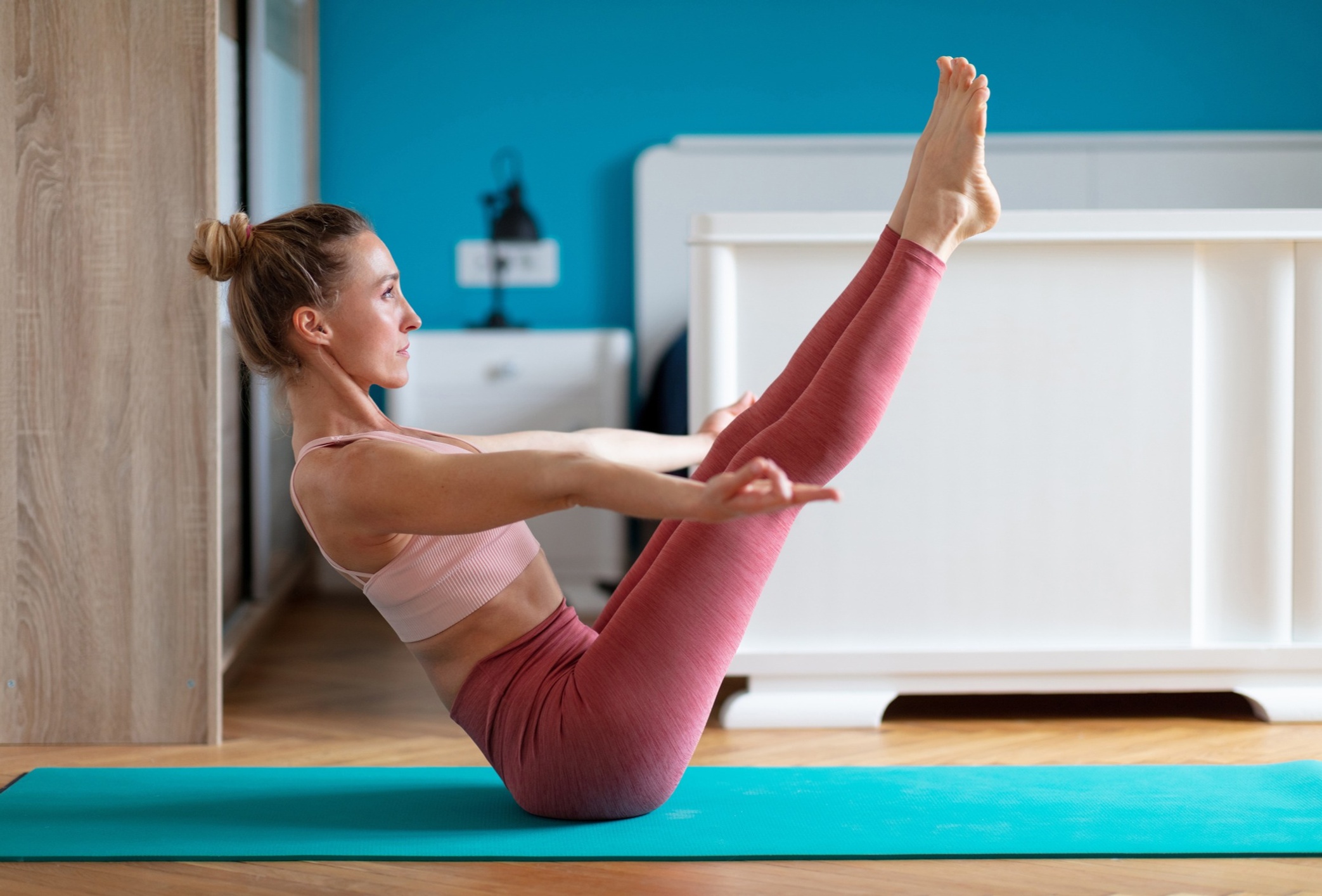
If yoga is about presence and flexibility and Pilates is about strength and alignment, somatic movement is about retraining the operating system underneath both.
The movements are small, unhurried and often done on the floor, as your nervous system rewrites patterns that have been running since the days of answering machines.
A tiny shoulder roll here, a deliberate pelvic tilt there and suddenly when you stand up, your neck turns without sounding like a bowl of Rice Krispies conducting a staff meeting. It's the rare wellness practice where doing almost nothing actually changes everything.
Your Body Is Not Being Dramatic
Somatic movement is for anyone lugging around chronic tension, stress or old injuries that cling like an ex keeping your number "just in case". Years at a desk, hunching over a phone or sleeping in positions that make no anatomical sense can train muscles to hover in a half-contracted state, like they're waiting for the other shoe to drop.
Sometimes that bracing goes deeper than posture. Emotional stress and unresolved trauma can keep the nervous system stuck in protective mode, long after the actual event has passed. Somatic movement creates a safe way to signal that the threat is over, so the body can finally unclench. If your body has been bracing out of habit, this is one way to teach it that the coast is clear.