They’re completely free and simple to start
Silent walks are not simple meditation practices or a grueling form of punishment (as brutal as they sound). They’re just an easy, quiet walk outside, meaning no music playing in your ears, with your phone in your pocket and focusing your attention more or less on whatever is actually in front of you. No particular route required, no timer, no technique. The only rule is that you leave the headphones at home and resist the pull to fill the quiet with something. That's genuinely it.

Why so many people on social media are raving about it
Most of us have gotten very good at never being bored. There's something to listen to for every commute, every errand, every ten minutes of waiting around and while that's not inherently a bad thing, it does mean the brain rarely gets a real break from dopamine. Silent walks have always been a thing (just ask your grandparents), but they have recently been picking up traction, partly as a reaction to constant overstimulation. These walks offer an often necessary moment of reprieve and allow ideas and creativity to naturally start flowing back to you.

What the quiet actually achieves
There's real research behind why spending time without any noise feels restorative. Silence gives the nervous system a chance to downshift, lowers cortisol and creates the conditions for what researchers call diffuse thinking, the unforced kind that tends to surface good ideas and process emotions that have been sitting in the background. Most of us have experienced a version of this in the shower, or on a long drive with the radio off. A silent walk is a longer, more intentional version of the same thing and therapists have started recommending it specifically for people who find traditional meditation too hard to sit still for.
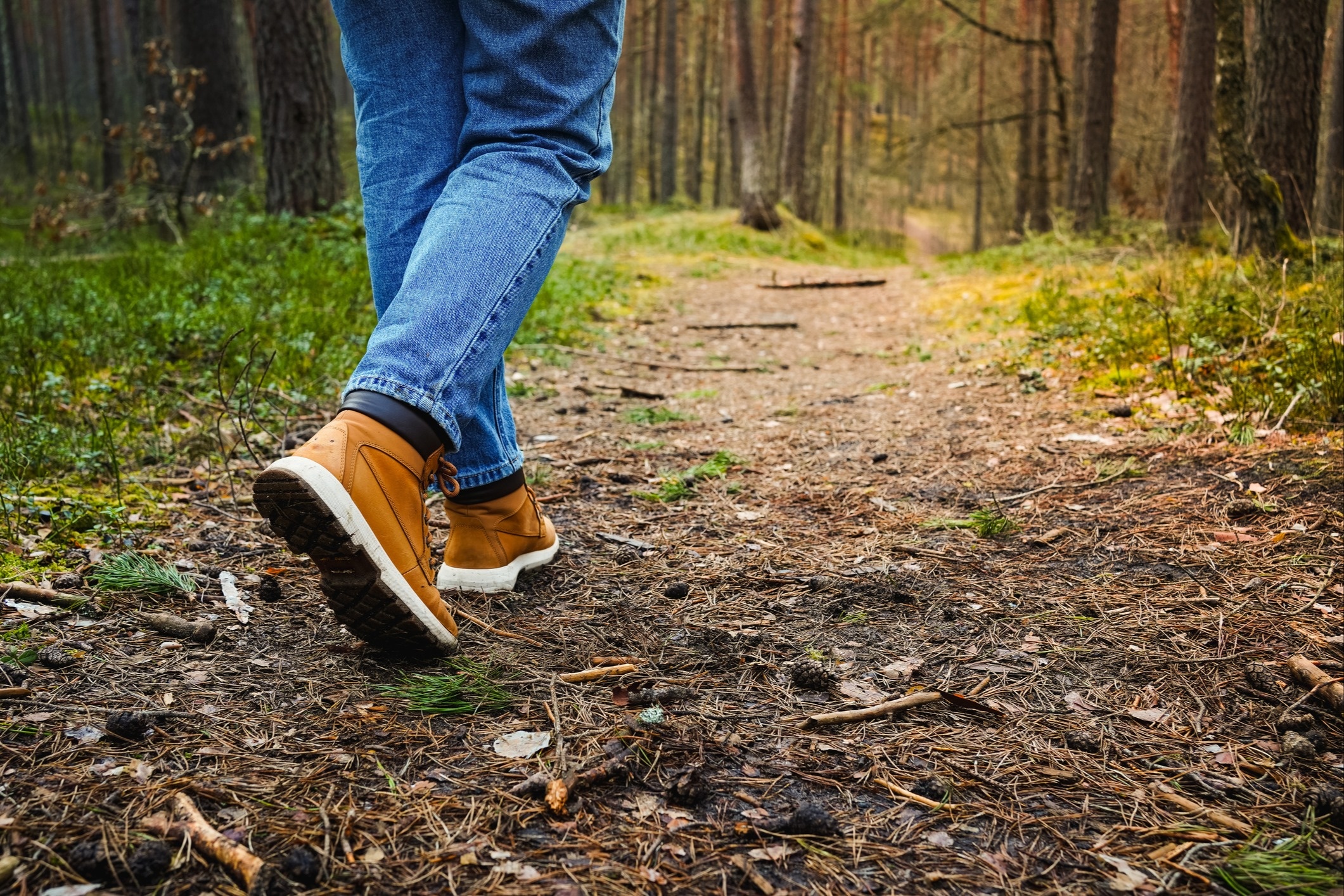
The first ten minutes are always the hardest
There's usually an adjustment period, a stretch in the beginning where complete silence feels uncomfortable and the urge to reach for your phone feels insurmountable. Thoughts that weren't noisy before, suddenly are. You’ll notice you're walking faster than you need. A lot of people will feel some form of restlessness, which is really just an adjustment to no outside stimulation, as many of us are so used to. As time goes on, the silence will feel more comfortable and even desired as a part of your day.

How to make it a habit
Don’t jump into hour-long walks straight away. Twenty minutes is plenty to start with at first. Choose a route or path nearby that you already know so you're not reaching for your phone to navigate. Make sure you also leave your AirPods at home rather than just in your pocket, because having them within reach almost always means using them. Try it in the morning before the day has fully started or at the end of your day in the evenings, when quiet feels more natural and the streets tend to be a little emptier. Also, don’t give up after the first few walks, after getting over initial discomfort, this practice will become a restorative, necessary part of your day.