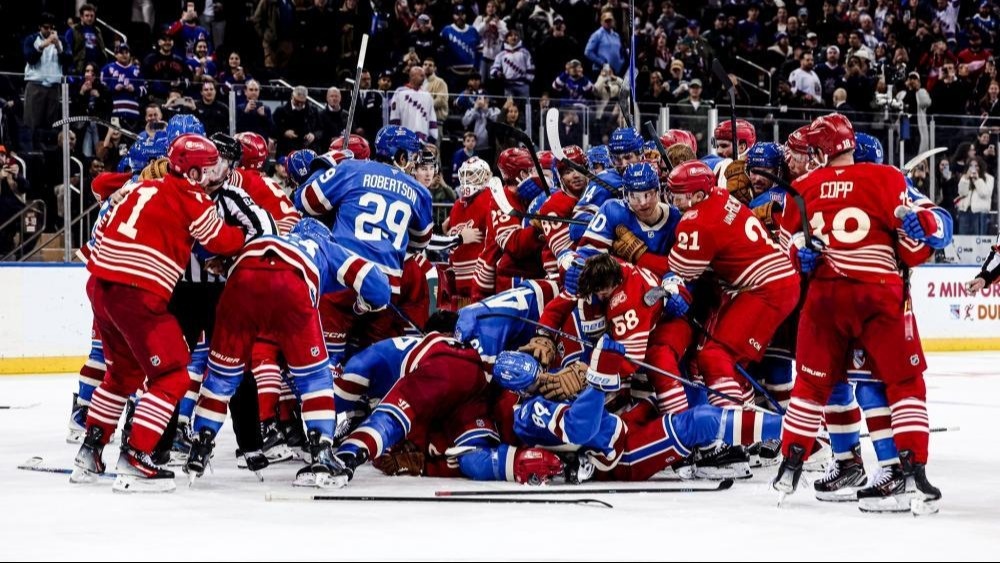
No Fighting Allowed (Yes, Really)
Penalty Box Politics
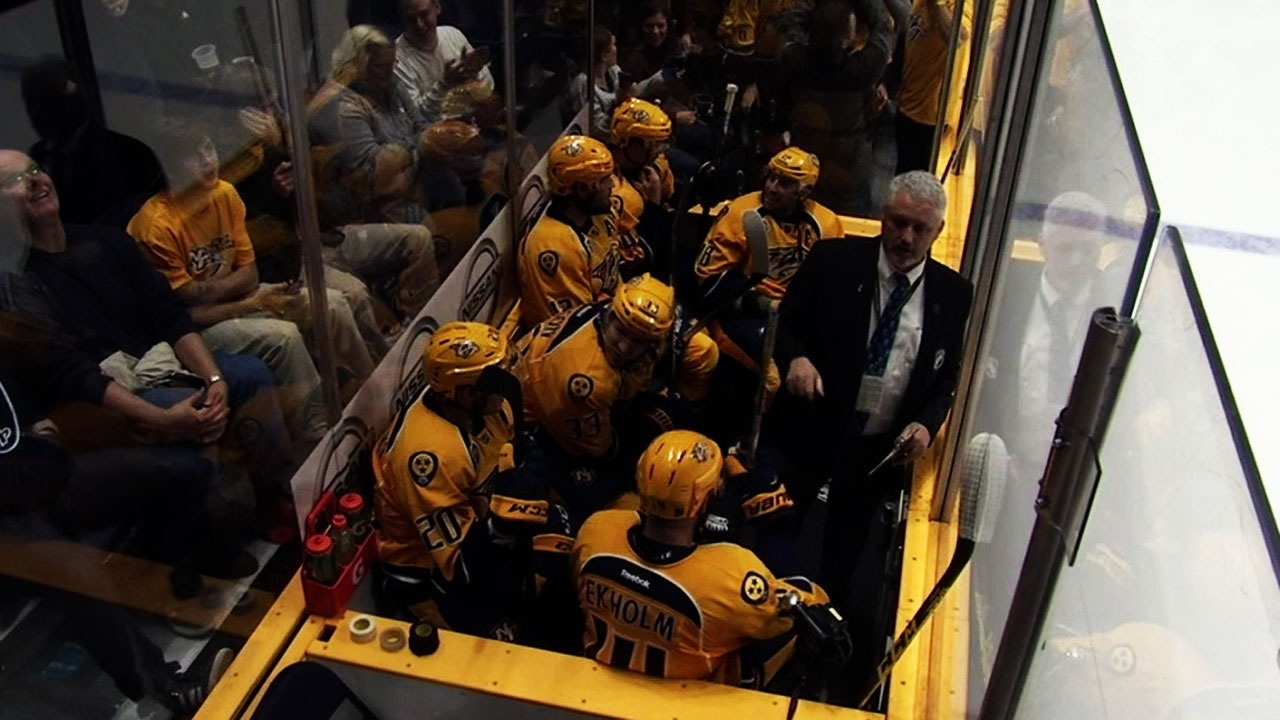
Olympic hockey is designed to keep the game moving without letting it turn into a free-for-all, which means obstruction, interference and sneaky stick work get called exactly as written, not as interpreted. This is in contrast to the NHL, where some of this stuff lives in a gray area that expands dramatically in big moments. The result is a faster game, fewer wrestling matches disguised as defense and a steady parade of players sitting in the box looking confused about how things escalated so quickly.
Goalies Don’t Have a Trapezoid
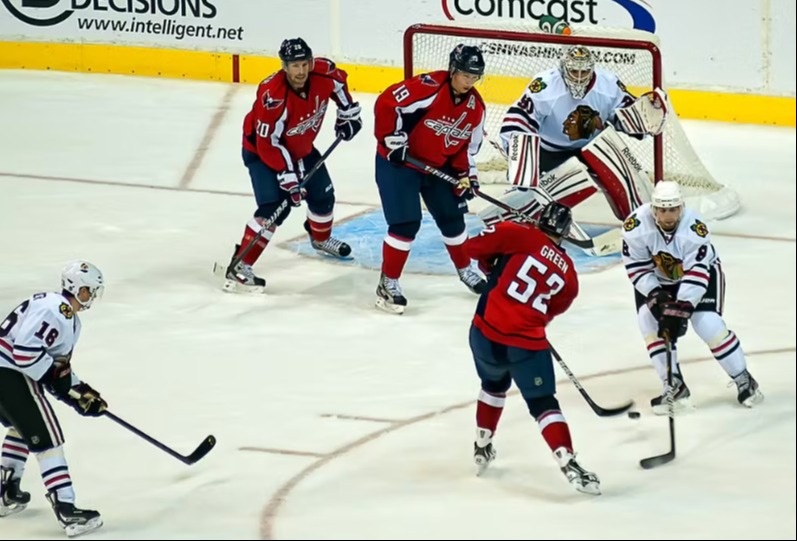
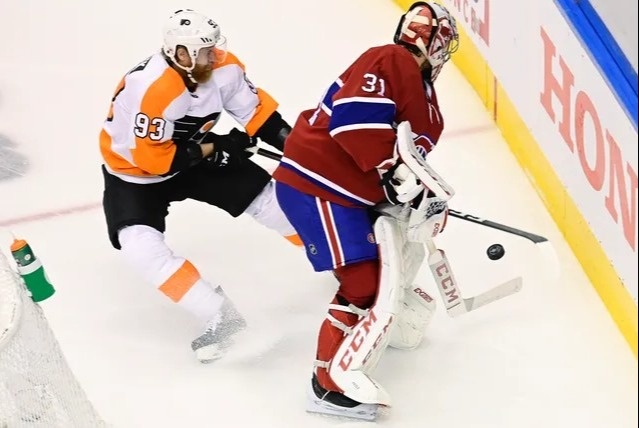
There’s no trapezoid behind the net in Olympic hockey, so goalies can play the puck wherever their little hearts desire back there. If you’re used to the NHL’s rule of the goalie stays in their little designated area like a Roomba with boundaries, you’ll be frantically waving your arms at the TV in no time. Internationally, a goalie can stop a dump-in, move it quickly and ruin your forecheck before it even becomes a forecheck.
Less Forgiving Faceoffs
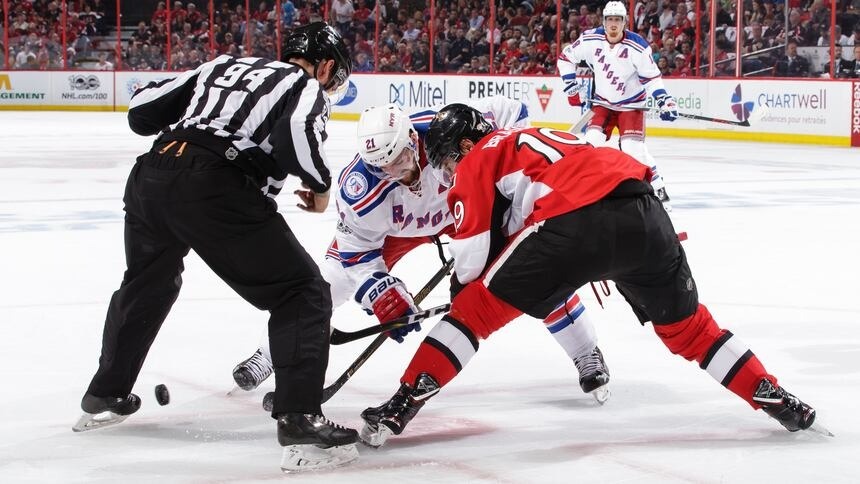
In Olympic hockey, faceoff location isn’t just where play resumes. It’s part of the “You made the mess, you can sit in it” punishment. If the defending team causes a stoppage, the faceoff stays in their zone and you don’t get a friendly little reset to neutral ice. It turns one lazy clear into 45 seconds of lung-burning cardio, frantic head-swiveling and the kind of regret usually reserved for saying “I’ve got it” when you absolutely did not have it.
No Coach’s Challenge Circus
Olympic hockey doesn’t do the full NHL coach’s challenge theatrics, where everyone stares at a tablet, broadcasters start quoting Rule 83 like it’s constitutional law and a single replay gets debated like it’s the season finale of a courtroom drama. Reviews exist, but they’re handled more centrally, which means fewer five-minute pauses. The game keeps moving and nobody gets to win an argument by yelling “TORONTO’S LOOKING AT IT!”