

1. "A Gentleman in Moscow" by Amor Towles

In 1922, Count Alexander Rostov gets sentenced to lifetime house arrest inside Moscow's glamorous Metropol Hotel for writing a poem that annoyed the wrong people. What follows is decades of wine, wit, secret compartments and a man who refuses to let a Bolshevik tribunal kill his joie de vivre. Think Tolstoy's elegance without the 900-page guilt trip.
2. "Mexican Gothic" by Silvia Moreno-Garcia
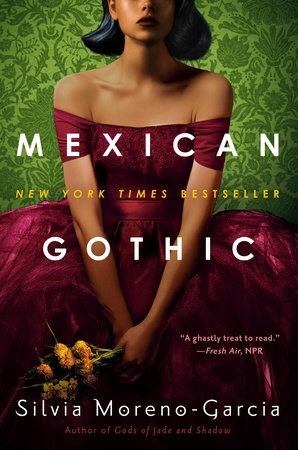
Noemí Taboada is a sharp-dressed Mexico City socialite who gets pulled away from cocktail parties to rescue her cousin from a crumbling English mansion in the mountains and the deeply unsettling family living inside it. It has all the bones of a Brontë novel, plus a slow-burning horror that gets properly weird in the best way. The mushrooms alone will haunt you.
3. "Eligible" by Curtis Sittenfeld
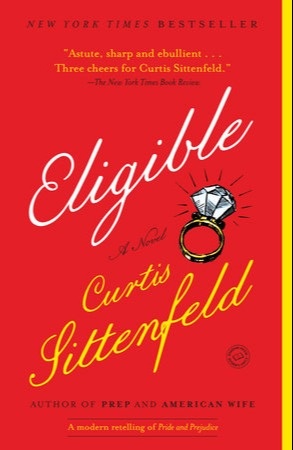
This sharp retelling of "Pride and Prejudice" drops the Bennet sisters into modern-day Cincinnati. Liz Bennet is a 38-year-old magazine writer in New York who gets dragged back to Cincinnati when her dad has a heart attack, only to find her three younger sisters have taken up CrossFit full-time and contributed nothing to actual life. Mr. Darcy is now a neurosurgeon who tells Liz he might be in love with her but blames it on oxytocin.
4. "The Essex Serpent" by Sarah Perry
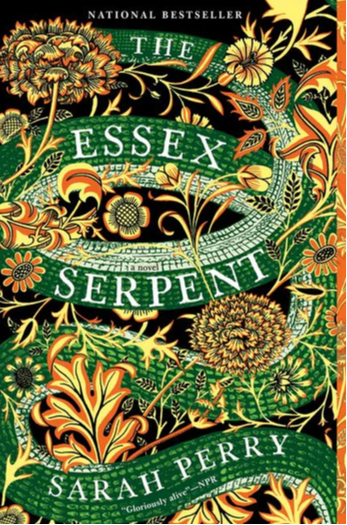
Cora Seaborne's husband dies, and instead of mourning politely, she trades corsets and cocktail parties for fossils and saltwater air, leaving London for the Essex marshes to hunt a legendary sea monster. Along the way, she finds a vicar who thinks she's wrong about everything, and the slow burn that follows is the kind Thomas Hardy would have written if he'd traded the moors for the marshes.
5. "Less" by Andrew Sean Greer

Arthur Less is a middling novelist about to turn 50, whose ex-boyfriend of nine years just got engaged to someone else. His solution is to accept every terrible literary invitation he has ever received and circle the globe to avoid attending the wedding. It has the comic spirit of an E.M. Forster novel — a slightly hapless but deeply charming man bumbling through foreign countries, collecting humiliations like souvenirs.
6. "The Mermaid and Mrs. Hancock" by Imogen Hermes Gowar
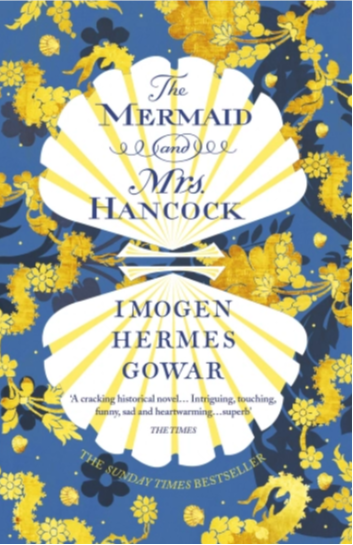
A London merchant stumbles into possession of a dead mermaid in 1785, and the story unfolds from there across gambling dens, brothels and drawing rooms with the propulsive energy of an 18th-century picaresque. Herford writes Georgian England the way Fielding wrote it — wide-eyed, morally complicated and never boring.
7. "Lincoln in the Bardo" by George Saunders
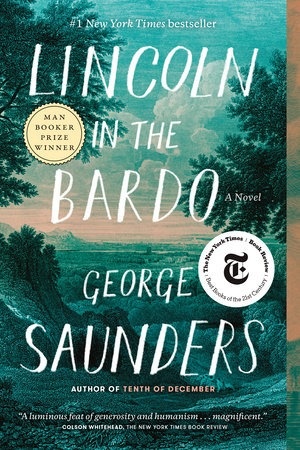
President Lincoln's 11-year-old son Willie dies of typhoid in 1862, and a grief-stricken Lincoln keeps returning to the crypt to hold his boy's body. Saunders takes that real, heartbreaking footnote of history and builds a purgatory full of squabbling ghosts around it. It reads like Dickens wrote a fever dream he couldn't quite explain at breakfast.
8. "Remarkably Bright Creatures" by Shelby Van Pelt
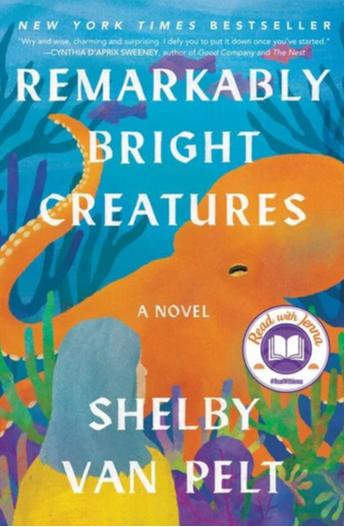
Tova Sullivan is a 70-year-old widow cleaning tanks at a Pacific Northwest aquarium, and Marcellus is a giant Pacific octopus who's smarter than most of the humans in this story. Together they unravel a 30-year-old family mystery, and yes, it sounds exactly as delightful as it is. Think Charles Dickens with better marine biology and a much warmer ending.
9. "Pachinko" by Min Jin Lee

A teenage girl in early 1900s Korea falls for a wealthy married man, refuses to be ruined by it and sets off a four-generation family saga that stretches from a small fishing village all the way to the pachinko parlors of 1980s Japan.
Lee writes like Tolstoy, minus the 400 pages of war strategy.
10. "The Muse" by Jessie Burton
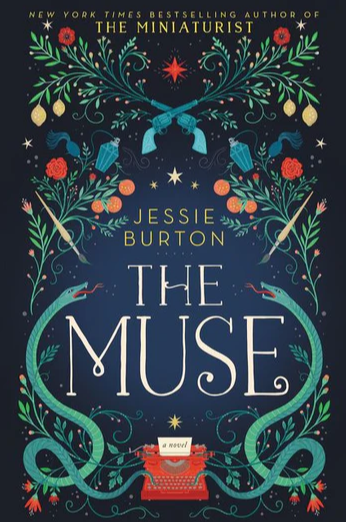
In 1967 London, a Trinidadian immigrant named Odelle lands a job at an art gallery and stumbles into a mystery tied to a long-hidden painting from 1930s Spain, where a young woman named Olive was creating masterpieces nobody would put her name on. Think Austen's wit and social sharp edges, except the marriage plot has been swapped out for an art world cover-up.
11. "The Bear and the Nightingale" by Katherine Arden
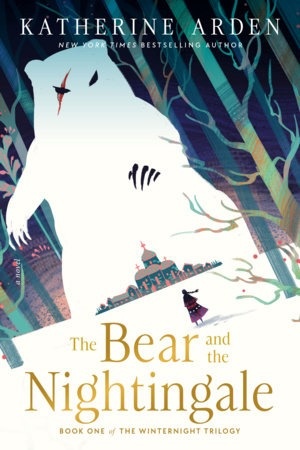
Vasya is a wild girl at the edge of a medieval Russian forest who can see the household spirits her village has always fed and feared, until a pious stepmother arrives and starts turning the lights out on all of them. Arden writes like someone who grew up reading C.S. Lewis by candlelight and never quite came back from Narnia.