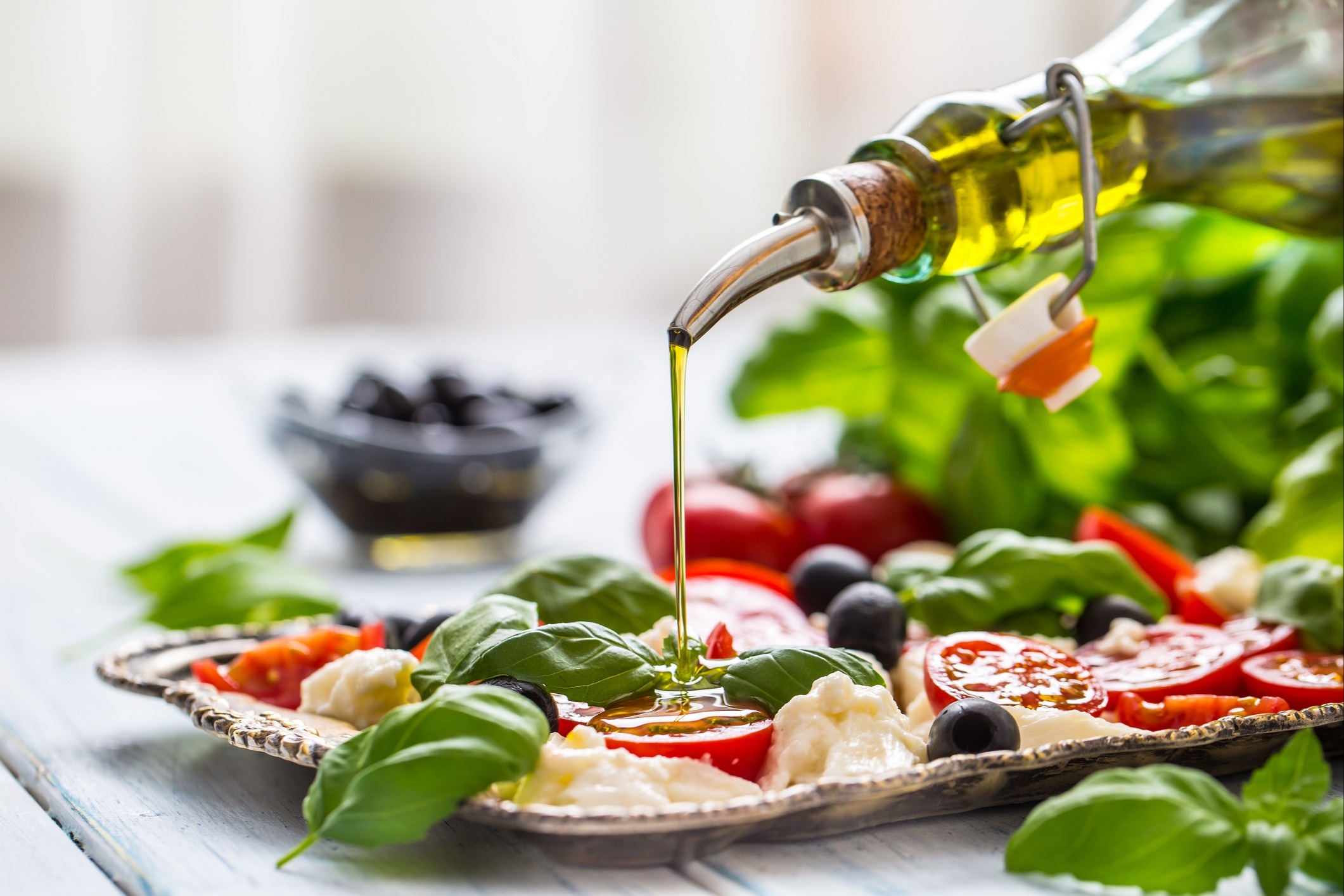
1. Olive Oil
First thing’s first: no Mediterranean pantry is complete without olive oil, particularly extra virgin olive oil. This will be a staple in your diet, so be sure to keep a bottle on hand.
“Extra virgin olive oil is the primary fat in the Mediterranean diet,” Anna Schraff, founder of Mediterranean for Life, told Dailybreak. “It is rich in monounsaturated fats and polyphenols that support cardiovascular health and help reduce inflammation.”
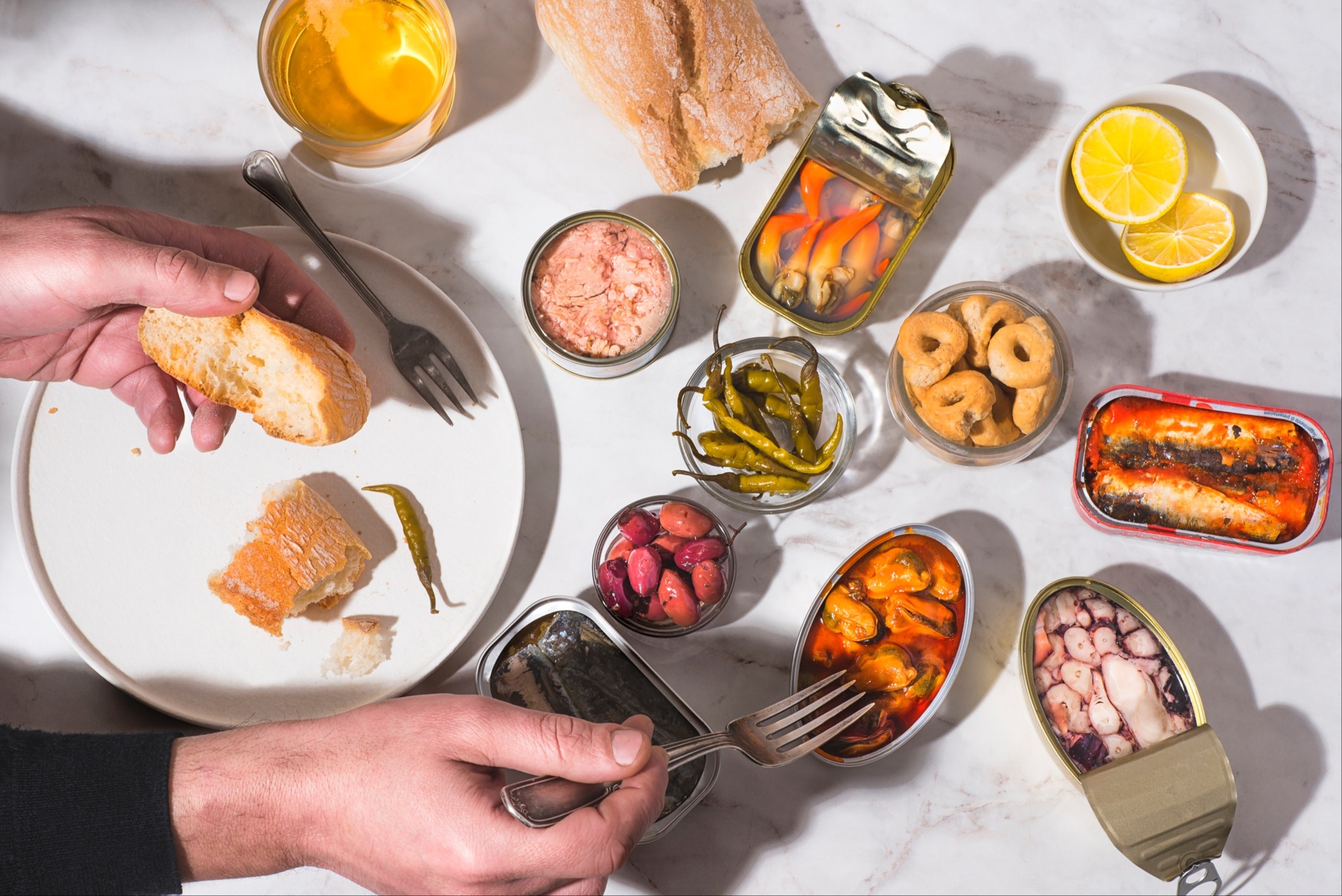
2. Tinned Fish
The Mediterranean diet is plant-based, meaning you’ll eat plenty of fruits, veggies and whole grains, plus plant proteins. Aside from the occasional (and optional) meat, you may also want to incorporate seafood for healthy fats.
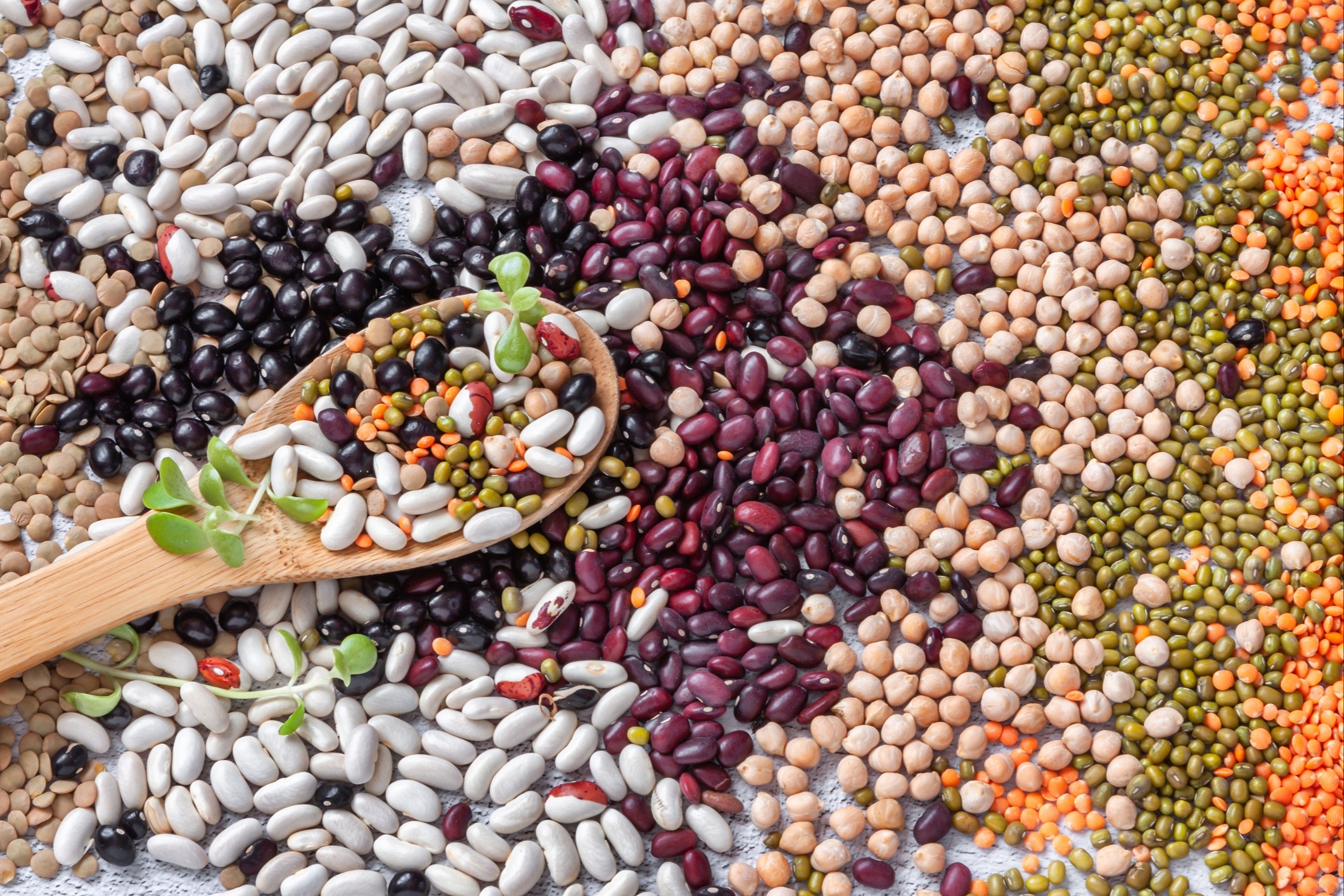
3. Beans and Legumes
Chickpeas, lentils, black beans, lima beans and kidney beans are all excellent ingredients to keep in your pantry, whether you choose dried or canned.
“A cornerstone of the Mediterranean diet, legumes provide plant-based protein, fiber and compounds that support cholesterol management,” Schraff said.
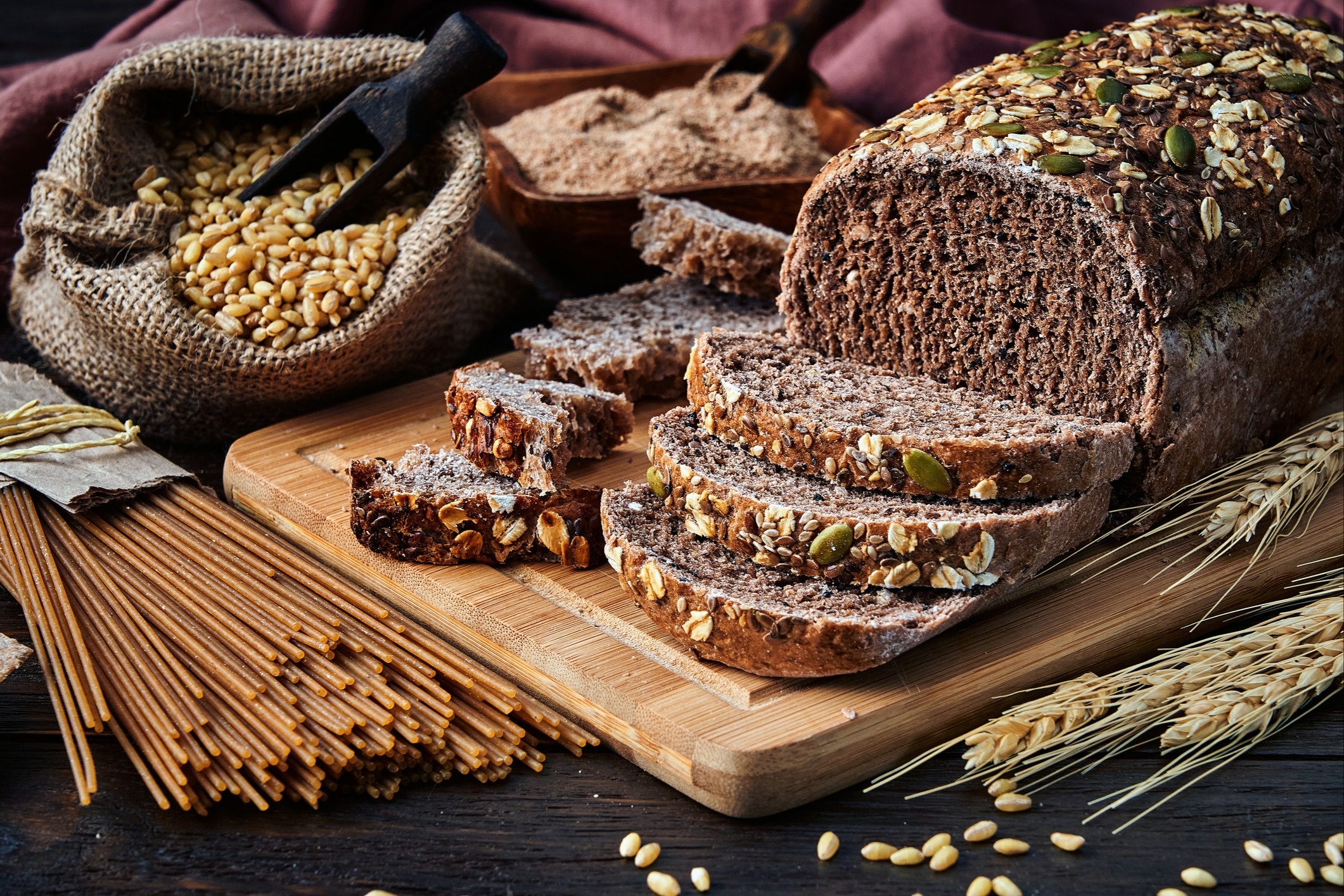
4. Whole Grains
While produce will make up a lot of your plate on the Mediterranean diet, whole grains are also key to healthy eating.
“These foods provide sustained energy, fiber and key nutrients that support heart and metabolic health,”Schraff shared.
When shopping for pastas, brown rice, bread and flour Schraff advised, “Look for ‘whole wheat’ or ‘whole grain’ as the first ingredient. ‘Enriched wheat flour’ typically indicates a refined grain.”
Also keep grains like quinoa, barley and oats in your pantry.
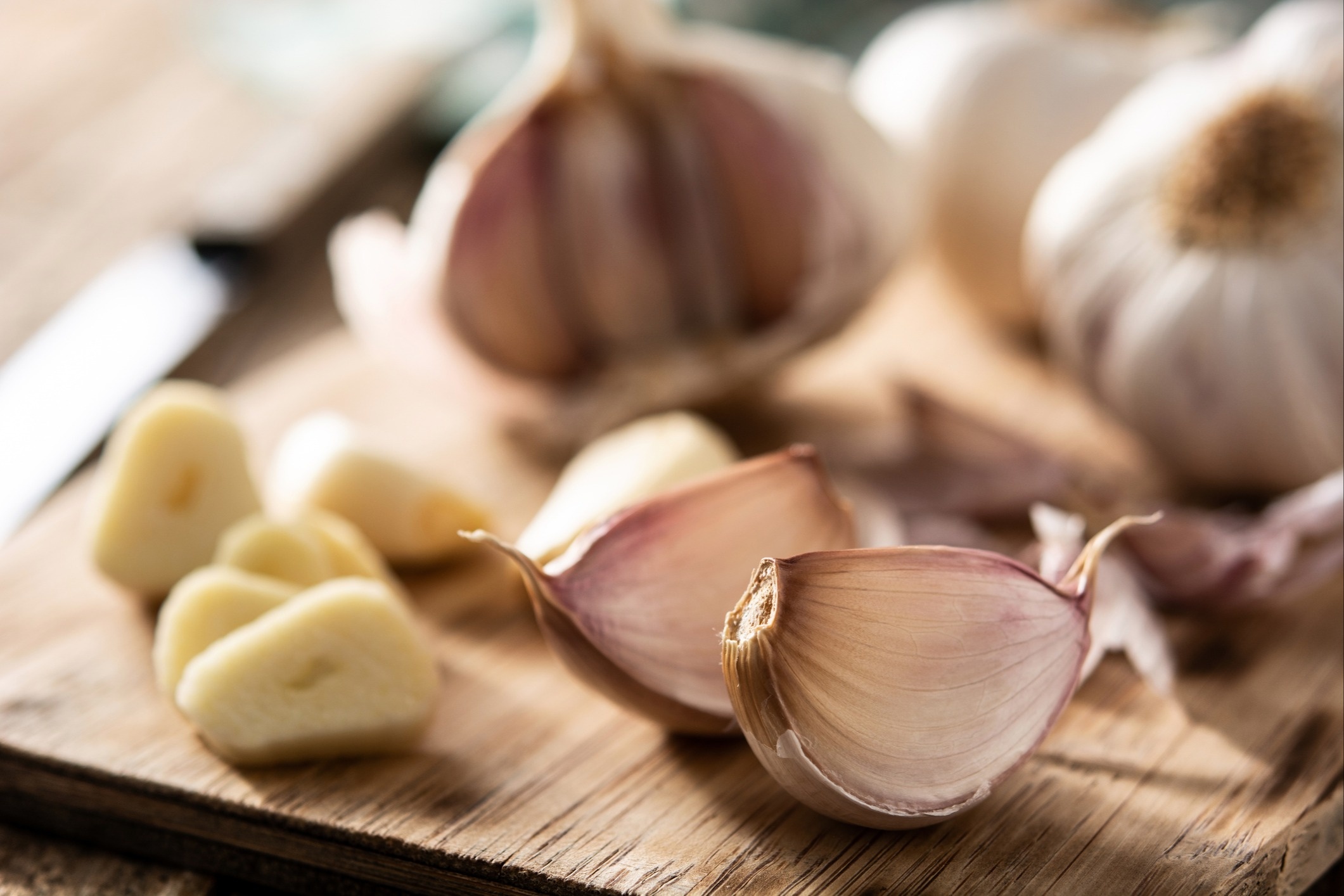
5. Garlic
Fresh garlic keeps well for weeks in the pantry and it adds delicious flavor to your meals. Keep at least a couple heads of garlic stashed at the front of your pantry to easily upgrade weekday dinners.
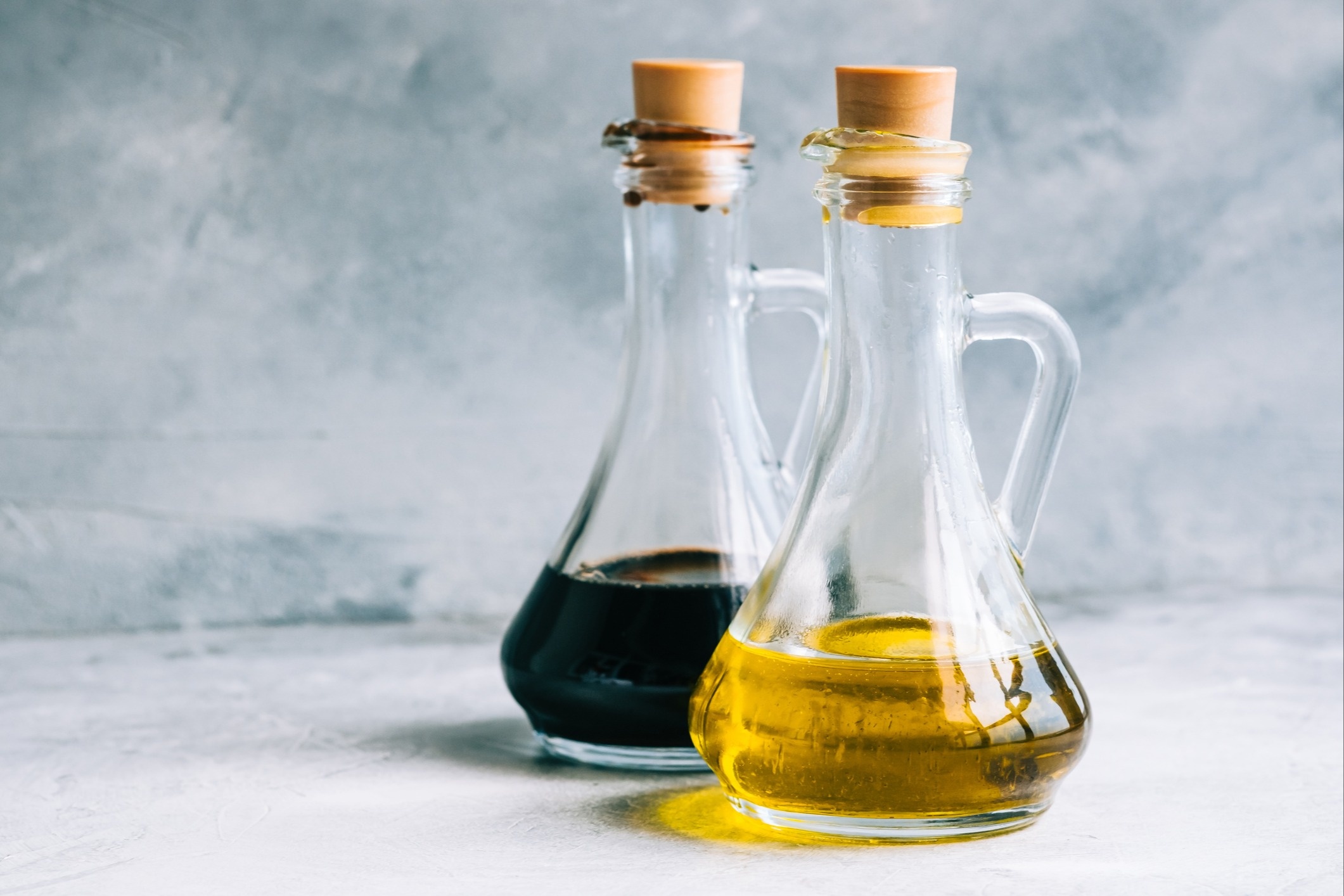
6. Balsamic Vinegar
While olive oil is the star of the Mediterranean diet, you’ll also appreciate having some high-quality balsamic vinegar on hand for adding a bright, tangy flavor to your dishes. This ingredient is great for making salad dressings, drizzling over roasted veggies or even whipping into a glaze for proteins or desserts.
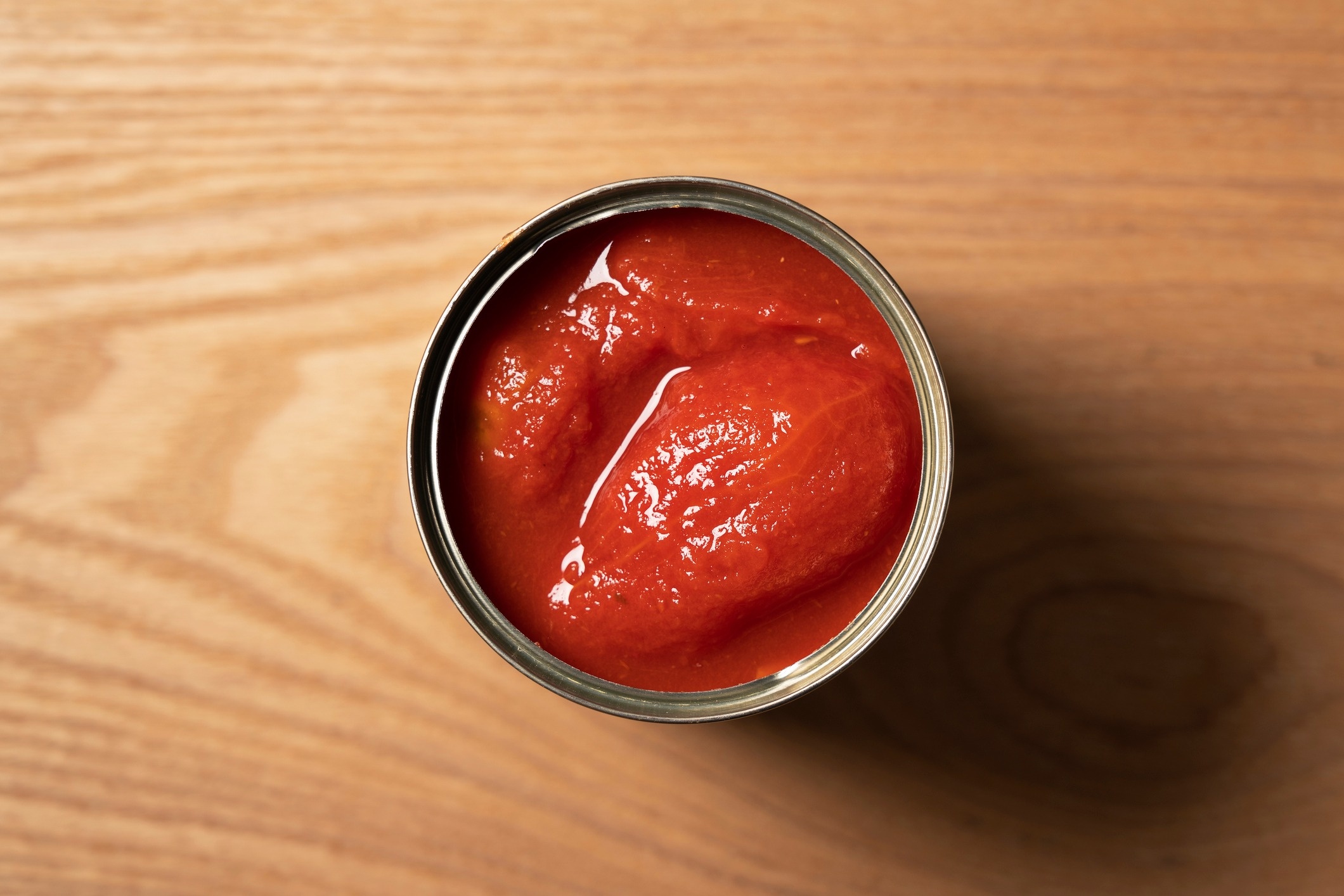
7. Canned and Sun-Dried Tomatoes
In colder months, it’s helpful to have preserved tomatoes available for some fresher flavor and as a decadent base for soups and sauces. Keep both canned and sun-dried tomatoes stocked, plus tomato paste for more versatility.
8. Nuts
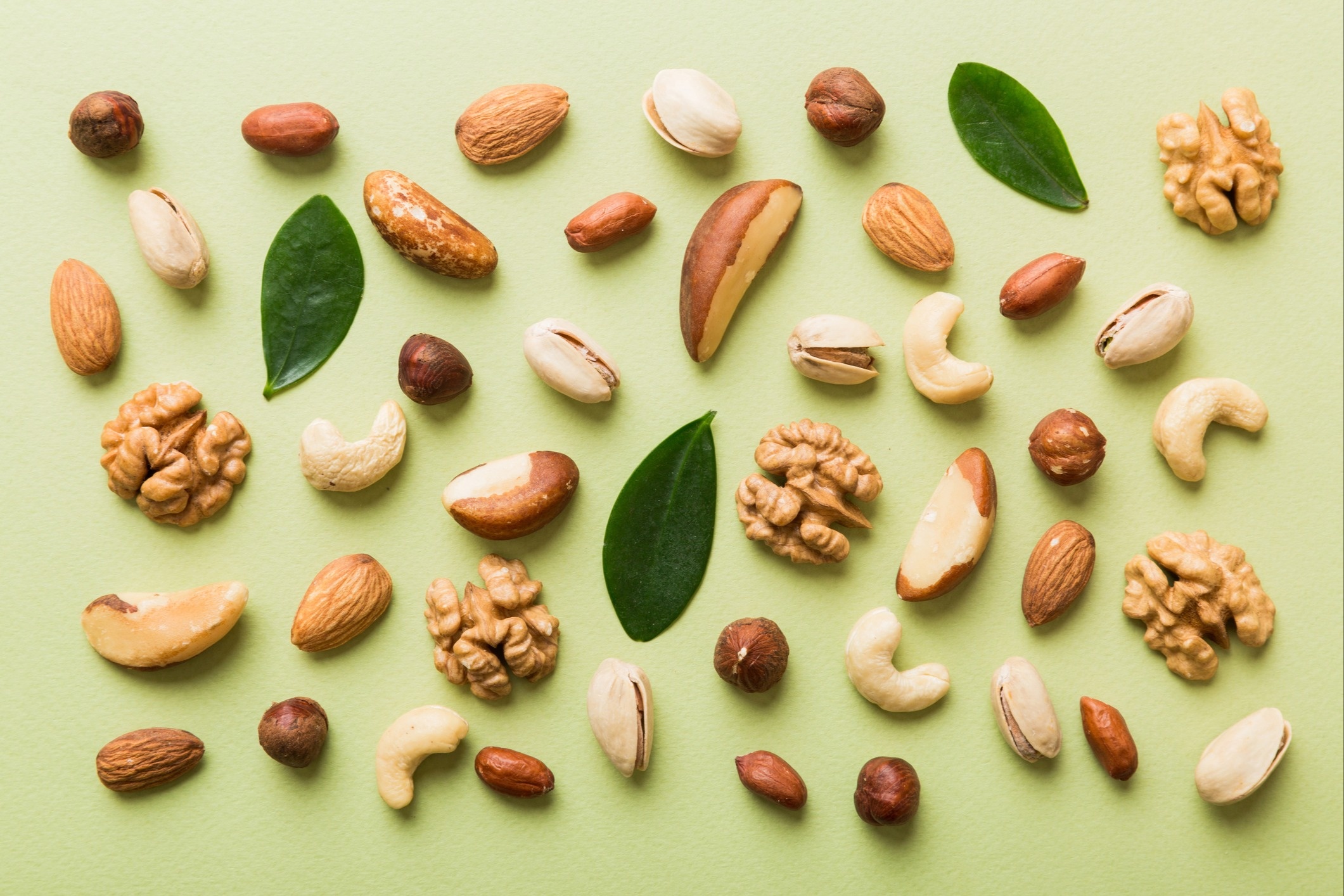
Schraff recommends at least three servings of nuts (or nut butter) per week, and these are fun to add into salads or grain bowls for more texture, plus they add healthy fats, protein and fiber to your meals. Choose any nuts you like, such as pistachios, almonds, walnuts, pecans and hazelnuts.
9. Seeds
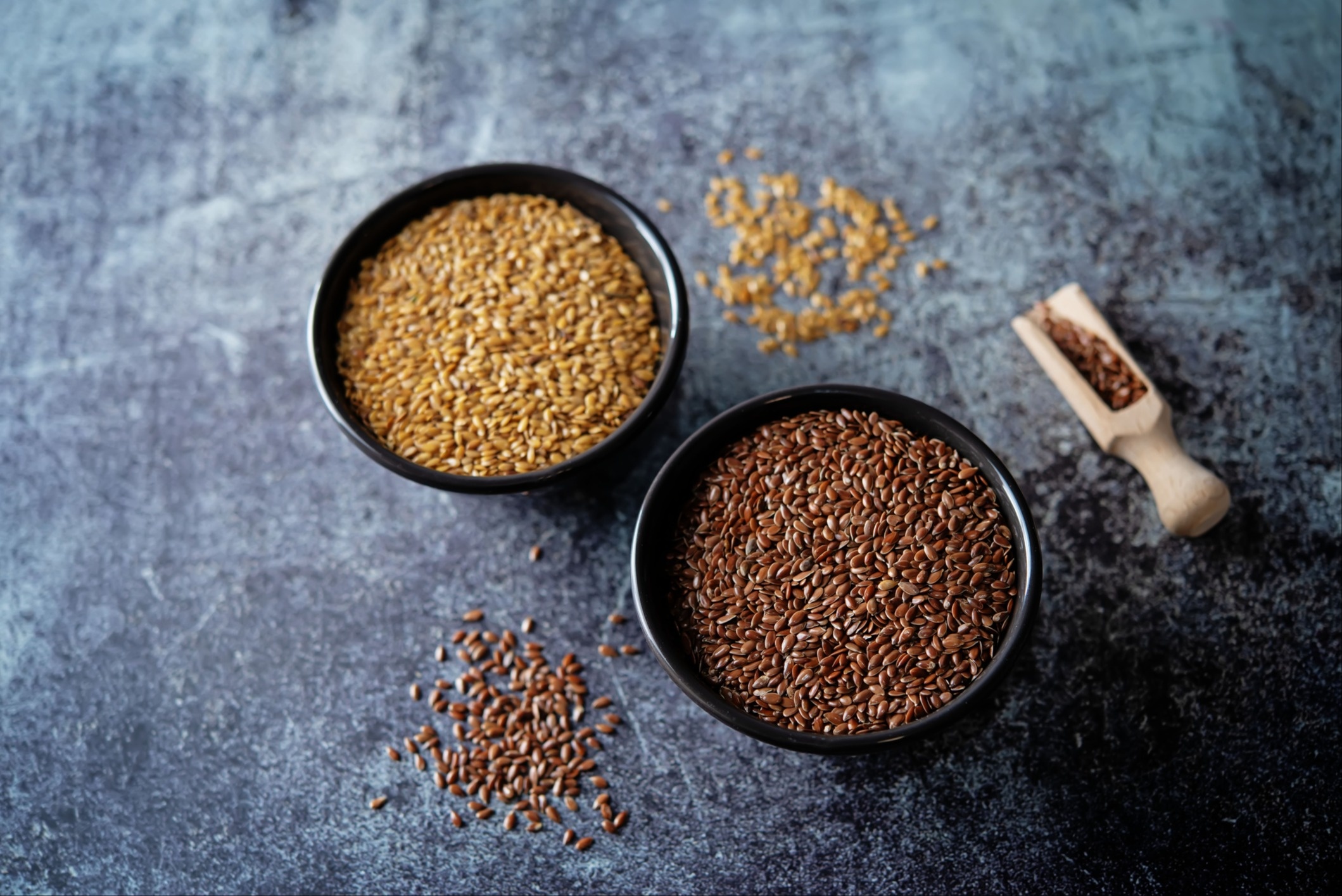
Seeds are tiny-but-mighty ingredients that can pack a nutritional punch in smoothies, yogurt bowls, salads and toasts. Keep seeds like flaxseed and chia seeds in your pantry and sprinkle on meals for added crunch and a nutrient boost.
“These small but powerful foods are rich in fiber and omega-3 fatty acids, supporting heart health and digestion,” Schraff explained.
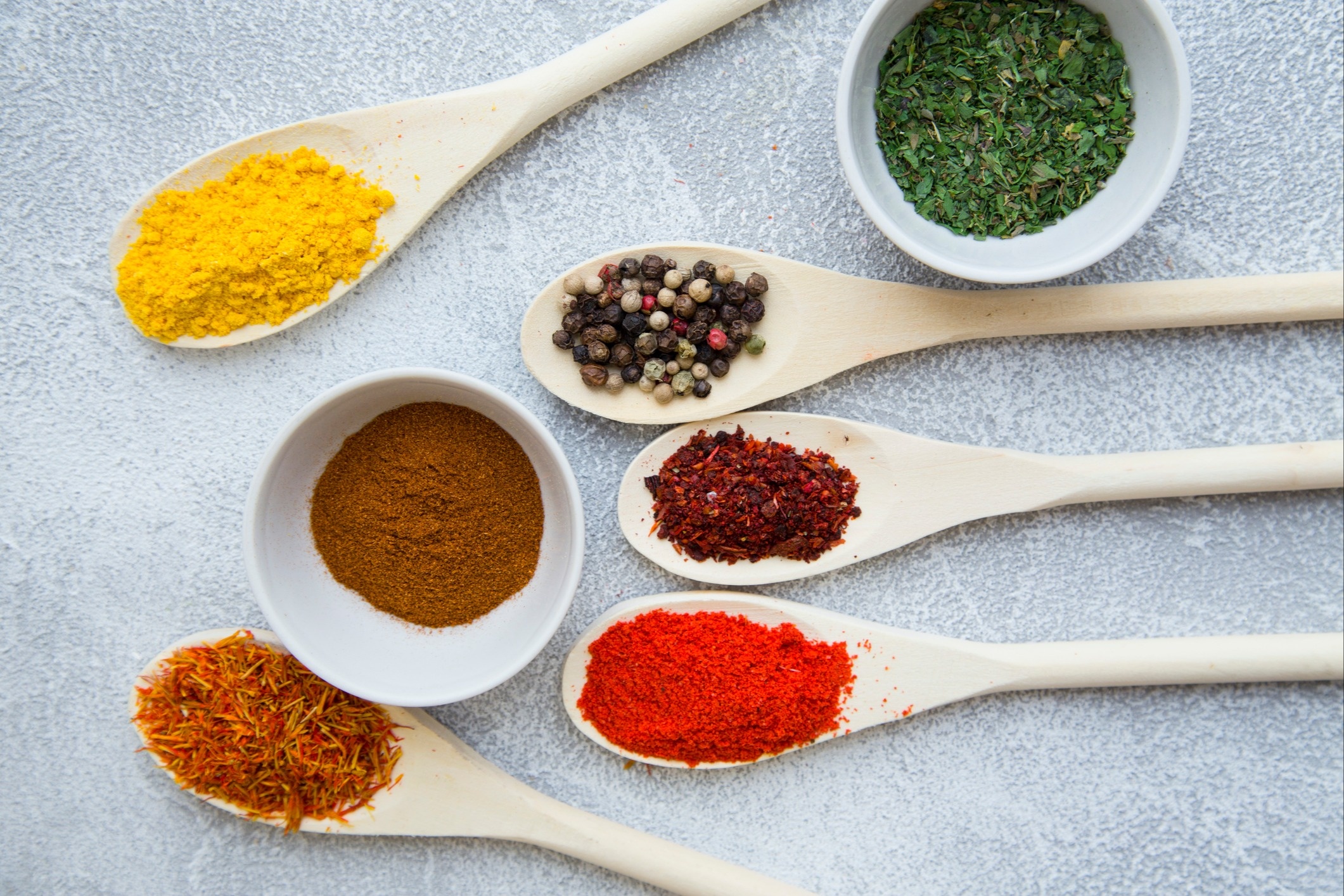
10. Herbs and Spices
While the exact herbs, spices and seasoning blends you keep on hand will depend on your personal taste preferences, it’s important to keep plenty of these items stocked in your pantry. A wide variety of dried herbs and spices make it easy to add more flavor to your meals and keep things exciting for your taste buds.