


Marty Mauser can’t help himself. The new Josh Safdie film,
“Marty Supreme,” stars Timothée Chalamet as a small-time hustler trying to be a
big deal in international table tennis. We see Marty on the rise from shoe
salesman to table tennis superstar, but repeatedly, due to his own actions, he gets knocked down along the way.
Director Josh Safdie sat down with his former Boston
University film professor Charles Merzbacher to discuss how exactly "Marty
Supreme" came to be.
The origins of the film go back to 2018, when Safdie finished
“Uncut Gems,” a film he co-directed with his brother Benny Safdie. Feeling
exhausted and burnt out from such an “impossible” film about a dealer in New
York’s Diamond District, played by Adam Sandler, Safdie “felt hollow”
afterwards and wanted to quit the biz. Meanwhile, knowing about his love for
table tennis, his wife found a book about it in a thrift store and purchased it
for him.
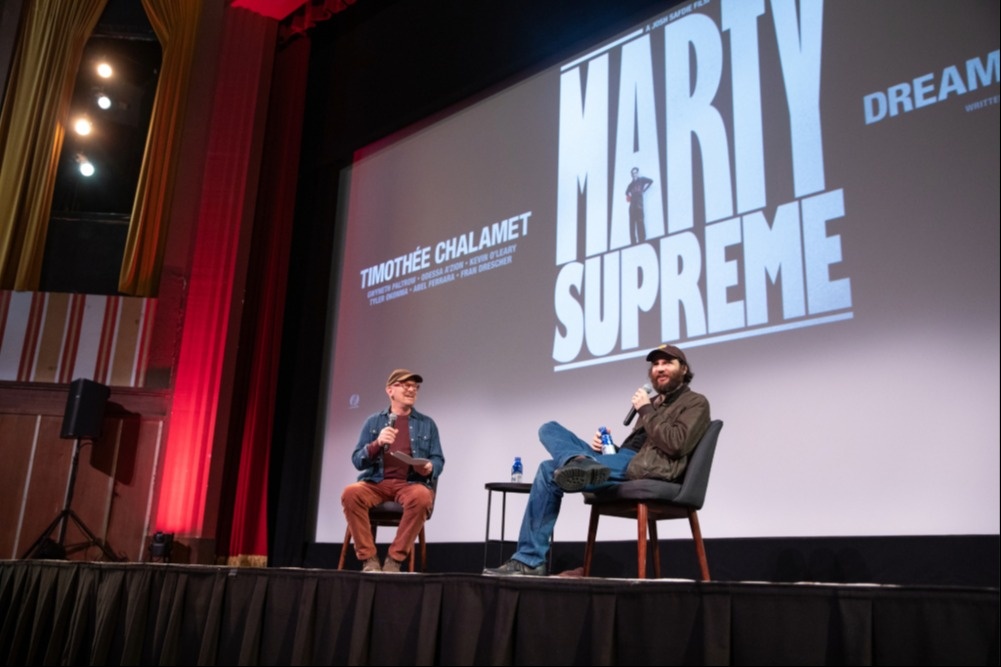
Photo credits to Dawn Kingston.
Safdie professed his love for table tennis since childhood,
especially the chaos of it and how players had to “live in a microsecond.”
Enter a rogues’ gallery of players from the 1950s New York table tennis scene, the
“outcasts” of Lawrence’s table tennis club, and the germ of a new idea was
born, inspiring Safdie to make another film.
Table tennis seems like an unlikely sport to get audiences
excited, and this is no different than what the players of Lawrence’s experienced at
the time. “Their dream was a joke to
people,” said Safdie.
But, as exemplified by the actions of Marty, the star of the
film as well as the main character to himself and those around him, Safdie saw
a dream as a “heist on fate.”

In the film, Marty dreams big, hoping to hustle his way to
Japan to become the next table tennis champion. A series of unfortunate events,
largely created by Marty’s own actions, put up roadblocks to him seeing his
dream realized. This film is about that intersection of control and fate.
Set in the 1950s, the film is about American exceptionalism
in a post-war setting, with Marty, who seems to only care about himself,
embodying that. The movie is also about change, with Marty as a vessel for it.
Like "Uncut Gems," the movie has a complete ecosystem of
characters. There’s Odessa A’zion as Rachel, a married pet store employee
and Marty’s lover/ best friend since childhood. She’s a revelation as a brassy
force whose goals don’t always align with Marty’s. Gwyneth
Paltrow, in one of her best roles in a while, plays Kay Stone, a wealthy,
chilly actress who also gets entangled with Marty. Kevin
O'Leary (“Shark Tank”) is her husband, Milton, and the key to Marty’s
future success. Tyler Okonma (AKA Tyler the Creator) is an
instant movie star as Wally, Marty’s friend and partner in crime. Safdie said
he “cast souls, not actors.” The baggage the actors brought to the table is
“the power of casting.”
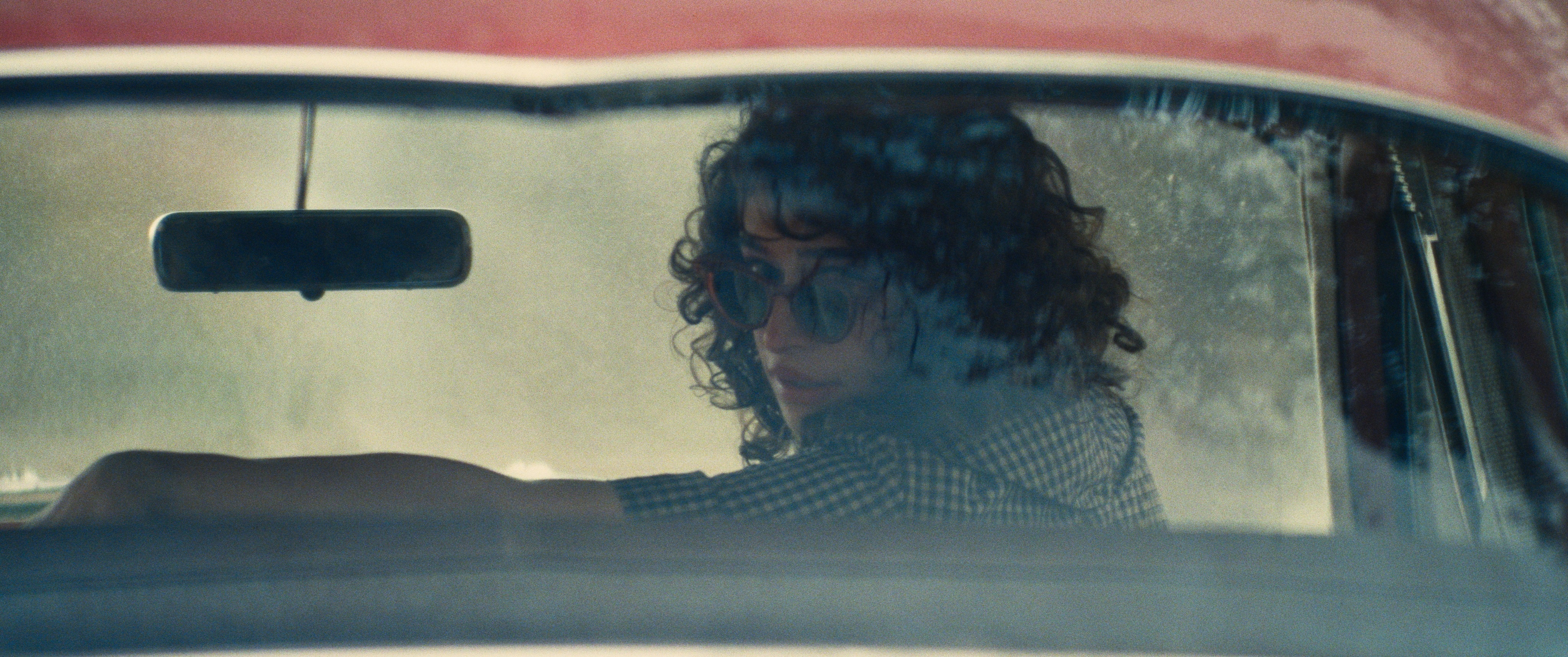
Safdie said he wrote the role of Marty especially for
Chalamet, whom he saw potential in when they met many years ago. Chalamet’s
big personality mirrors Marty Mauser’s in some respects. That’s when Charles
Merzbacher quipped that he also sees a lot of Marty in Safdie, especially his
persuasiveness.
Chalamet swings for the fences with this part and he feels
like a shoe in for acting nominations this season, if not some big wins. His
underdog story will certainly resonate with audiences in the way most heroes of
sports movies do, but he also has a deeply flawed humanity that characters like
Rocky Balboa never had.
The film itself is kinetic, frantic, and anxiety-producing,
similar to “Uncut Gems.” How can table tennis be so exciting? Though there are some thrilling table tennis scenes, it’s more about what happens outside of the table
tennis halls and arenas and how Marty makes choices that bounce the viewer
around like whiplash. Marty is living in the microsecond as well and his
split-second decisions don’t always yield the next move he anticipated,
building into the most unholy crescendo by the climax of the film.
Safdie hopes that the message of the film is ultimately hopeful
even though it shows happiness is fleeting. For Marty, “one dream had to end
for another to begin.”