

Wash Everything First, Yes Everything
Sure, that shirt you only wore once looks clean, but trust me, it is not clean.
Body oils, sweat, deodorant and invisible sunscreen residue are all sitting on the fabric, ready to team up into lovely yellow stains and roll out the buffet for moths. Moths and carpet beetles are drawn to exactly this kind of stuff, feeding on the sweat and skin cells left behind on worn clothing (clearly, they're not picky eaters). So wash or dry-clean the whole lot before you even think about storing so future you isn't left scrubbing out a mystery stain that had eight months to set.
Now, this next step should be obvious, but just in case it isn’t … make sure everything is bone dry before storing. Bone. Dry. Fold a slightly damp shirt into a sealed bin and you've basically built a tiny greenhouse for mildew. Damp plus dark plus sealed is the exact recipe mold has been waiting for, tenting its little spore fingers and cackling as you snap the lid shut. Let everything air out fully before it goes in. If you live somewhere humid, give it an extra day just to be safe.
Retire the Cardboard and the Mothballs
Cardboard boxes may be free and convenient, but they're also basically a snack platter for silverfish and roaches, plus they soak up moisture like a sponge. Those thin plastic dry-cleaning bags are almost as bad, trapping humidity against the fabric and yellowing your whites over time. Go with a clear plastic bin with a tight lid or a breathable cotton storage bag instead. You want something that keeps pests out but doesn't turn into a sweat lodge.
Mothballs work, technically but they also make your entire wardrobe smell like your grandmother's coat closet circa 1977. That chemical funk clings to fabric for ages and, let’s face it, it's nasty to breathe. Cedar blocks or lavender sachets do the pest-repelling job without the assault on your senses and your clothes come out smelling more like a spa instead of a haunted house.
Fold, Hang, Repeat
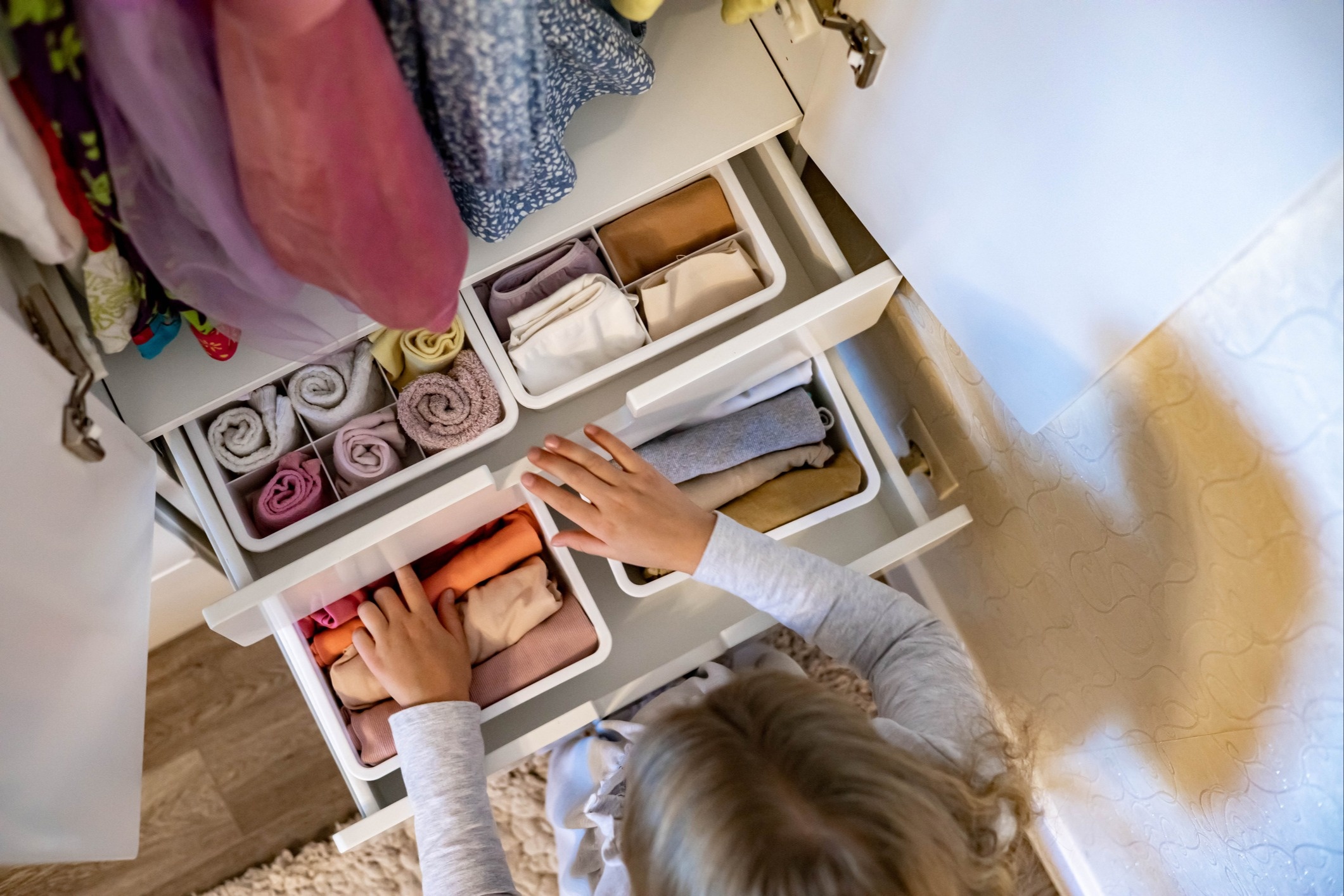
Anything stretchy or knit belongs folded. Hang a heavy sweater and gravity spends all summer pulling it into a shape that fits no body type on earth. Fold along the seams that are already there so you're not pressing in fresh creases that greet you in the spring. And don't stack heavy bins on top of your folded knits unless you want them flattened into cardboard by May.
Structured pieces like blazers and dresses do better on hangers so they hold their form and wide or padded hangers keep you from getting those little shoulder bumps. Make sure to give everything a bit of breathing room so it's not stuffed in like a Costco haul on grocery day.
Stash It Smart and Label It Smarter
Attics and garages seem like the obvious dumping ground, but they swing from scorching to freezing and back again and that temperature rollercoaster breaks down fabric fibers over time. Direct sunlight will also end up bleaching your favorite colors into sad pastel ghosts. Aim for a closet, under a bed or any spot that stays cool, dry and dark.
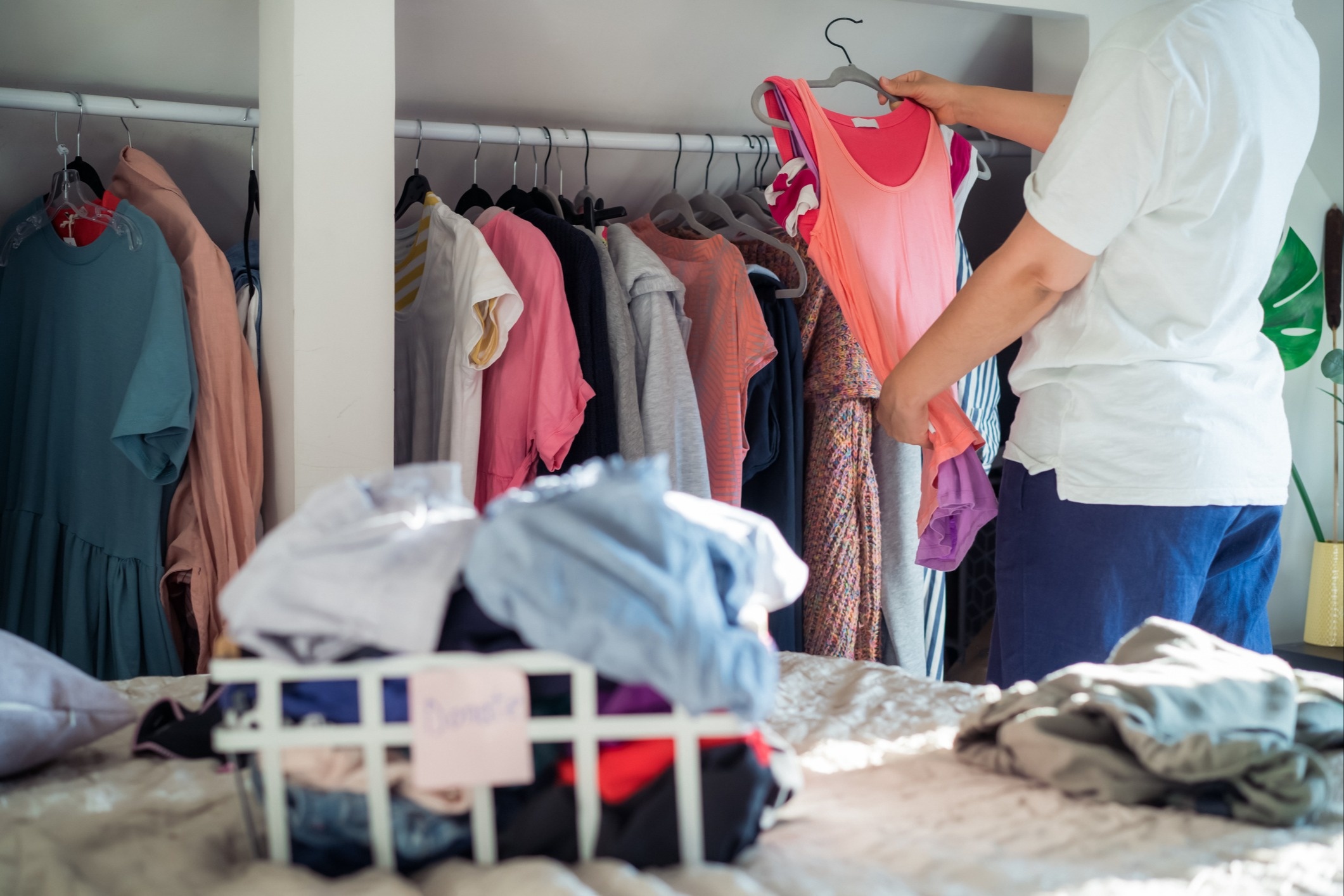
The final step is to unleash your inner Monica Gellar and grab that fancy label maker (or pen, paper and packing tape. It’s all good.) Because come spring you'll find yourself standing in front of three identical bins with absolutely no memory of what's inside any of them. Save yourself the archaeological dig and slap a label on each one. It takes 10 seconds now and saves you a very frustrating Saturday later when you're hunting for the pair of shorts that go perfect with your strappy
sandals.