

1. Tire Them Out First
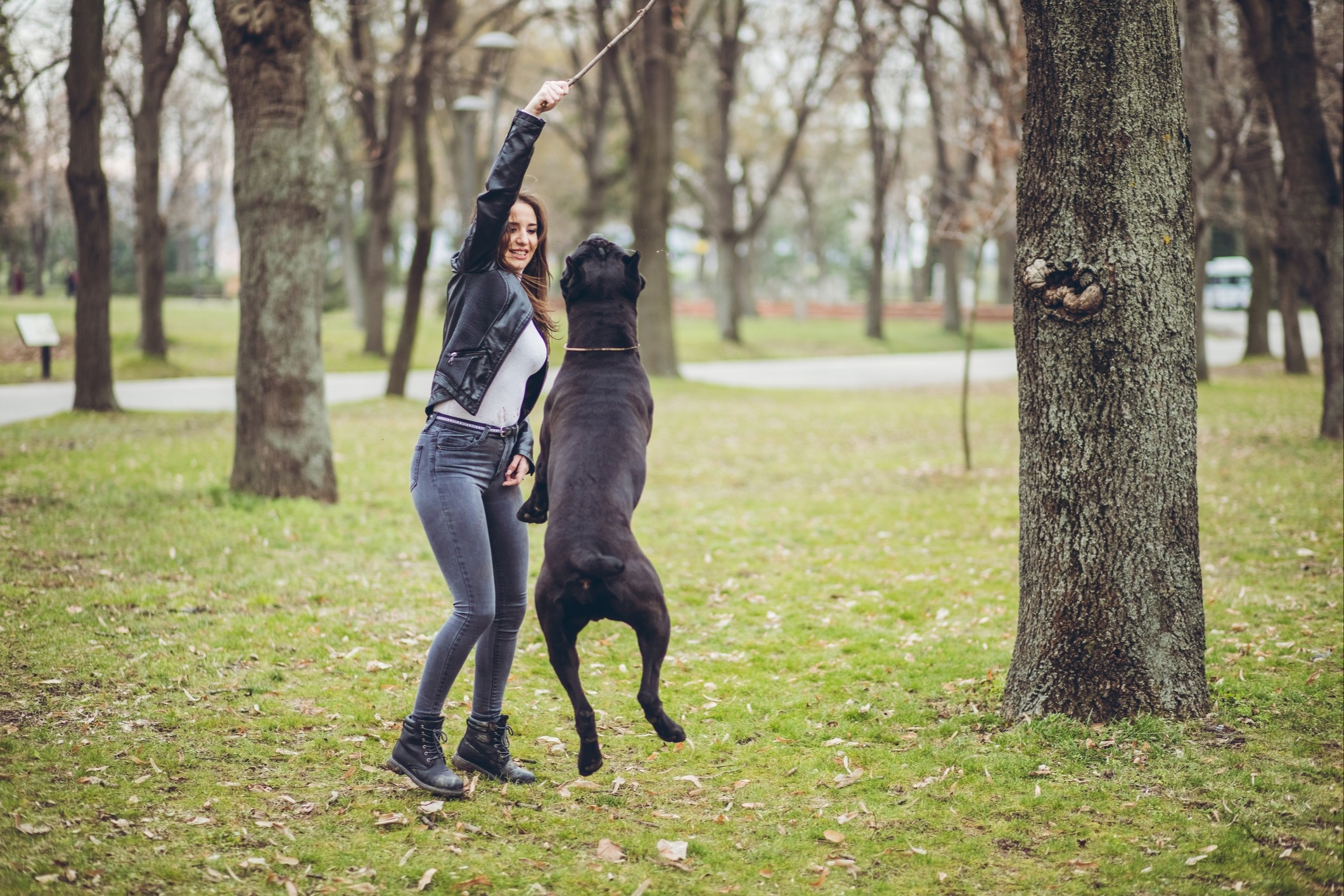
Take a long walk or play a hard game of fetch before the first trick-or-treater walks up the driveway. You’re aiming for the flopped-on-the-kitchen-floor kind of tired, with a sigh like a parent after bedtime. A worn-out pet is much more likely to nap through the doorbell than audition for guard dog.
2. Build a Quiet Room Before the First Doorbell Rings
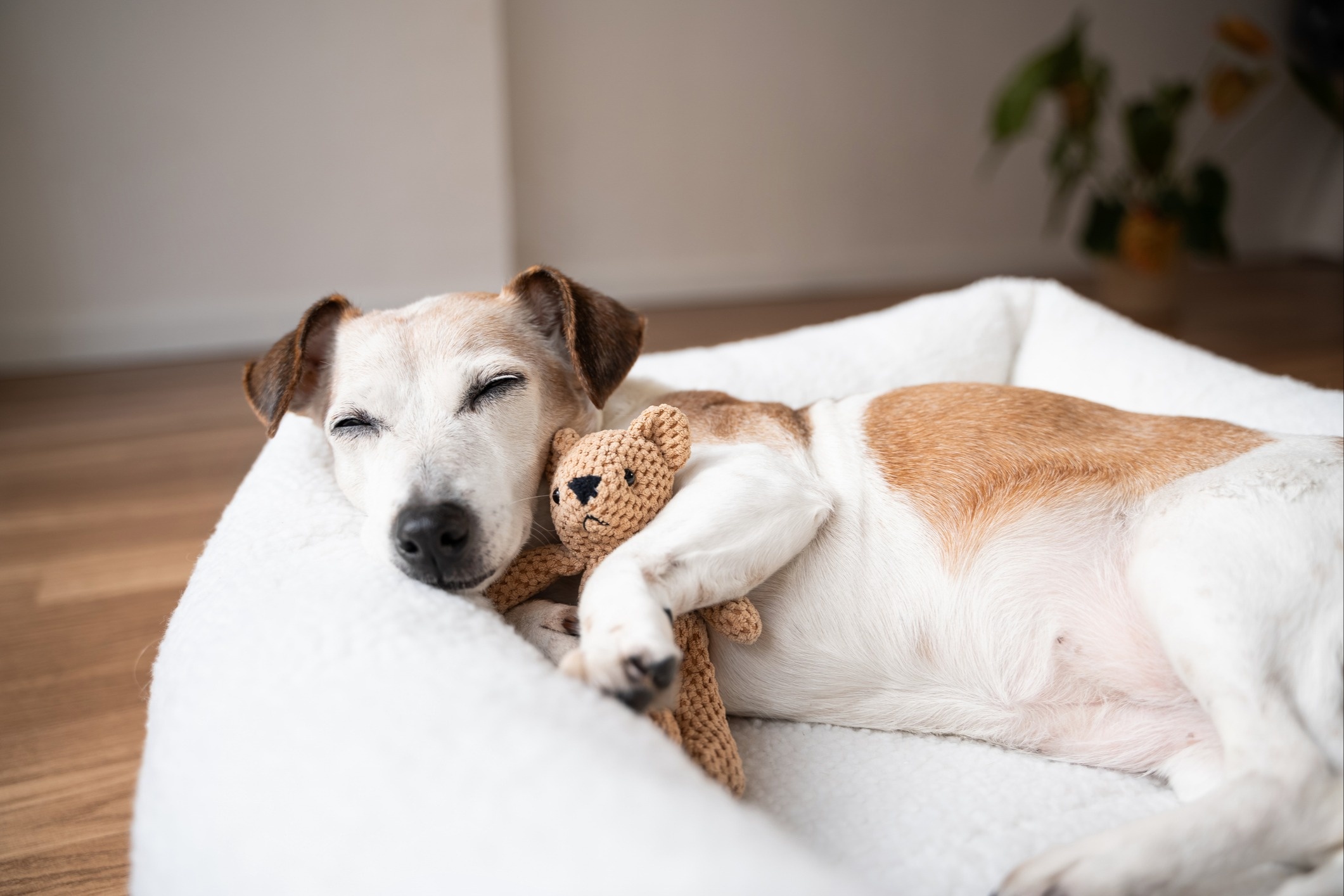
Pick a room with a door that shuts, as far from the front door as your house allows, and create a quiet room. Add a favorite bed and some toys, then run white noise or calming music to cover the outside racket. Think of it as the blanket fort you built as a kid, only with a fan humming in the corner and a chew toy instead of a flashlight.
3. Learn the Stress Signals
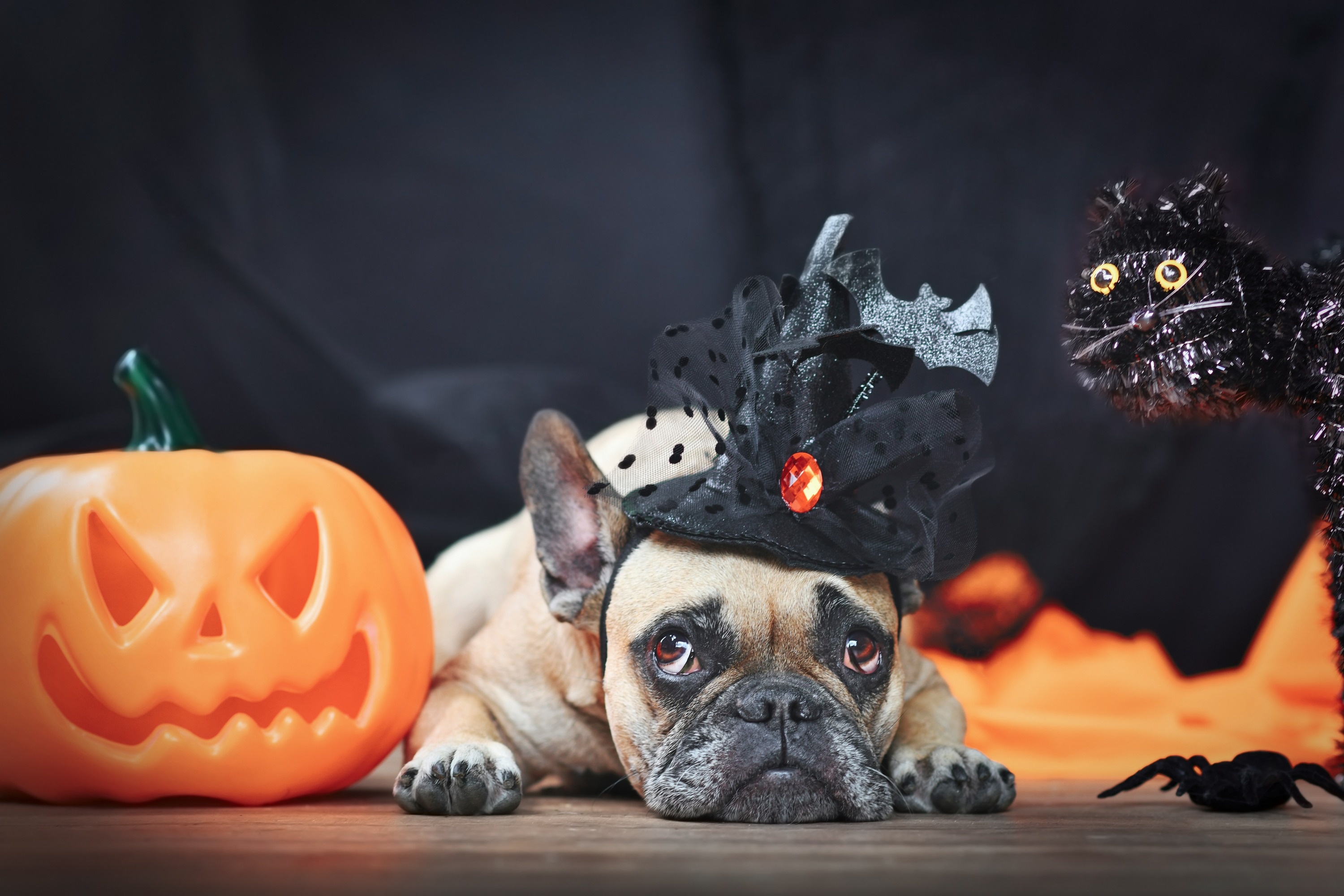
Your pet can’t say they need a minute to regroup, so watch for panting, pacing, trembling, hiding and yawns that look more nervous than sleepy. If a few of those pop up, move them to the quiet room and let them tap out of trick-or-treating, the way you’d duck out of a haunted house after the first chainsaw. If your pet spends every Halloween wedged behind the toilet, call the vet well before the 31st so you have a solid plan for the festivities.
4. Chocolate, Raisins and Xylitol, Oh My!
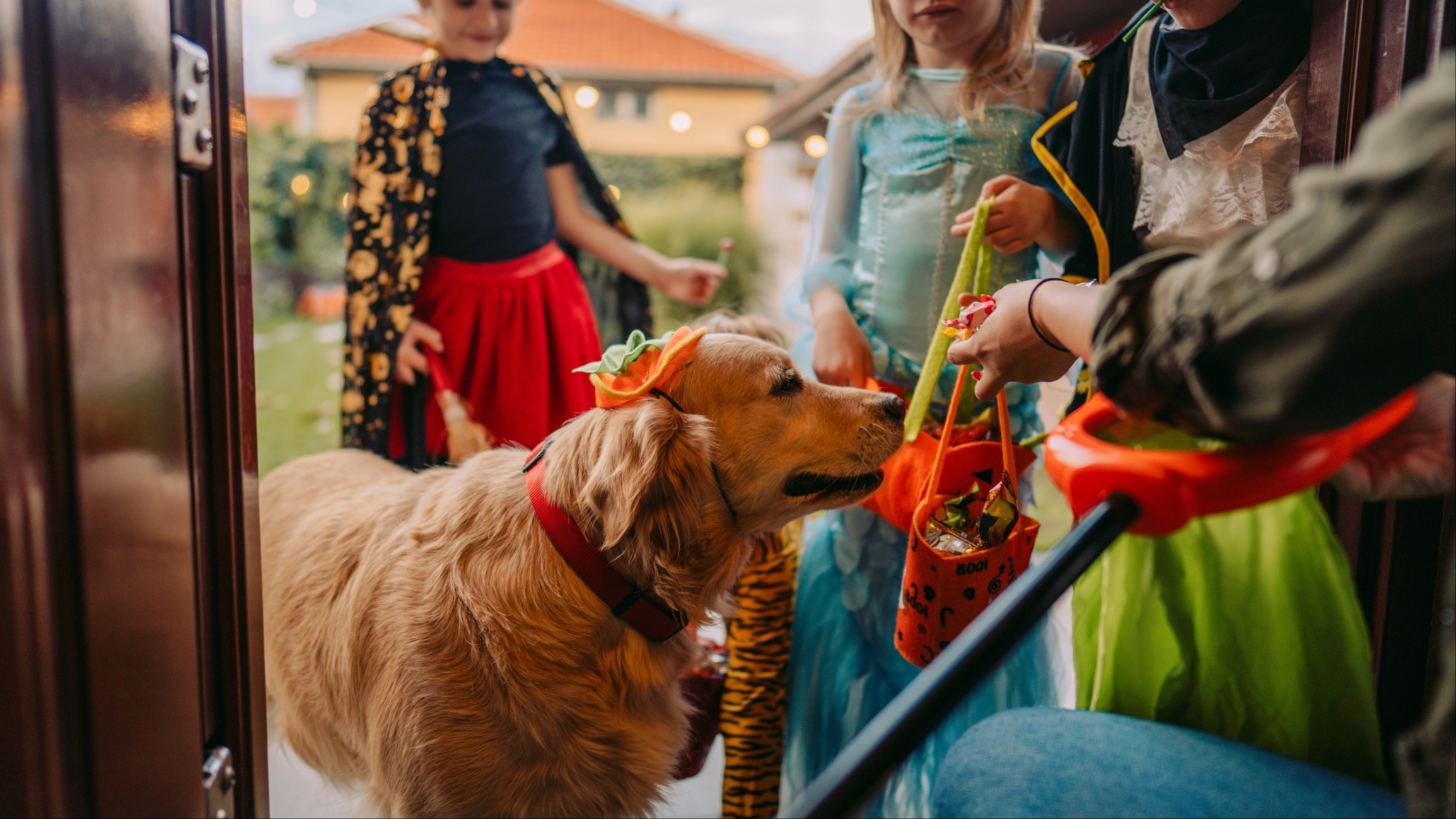
Chocolate, raisins and xylitol are the three biggest no-nos in the candy bowl. Dark chocolate is the most dangerous of the lot, and those mini boxes of raisins are poisonous to dogs. Xylitol hides in sugar-free gum and candy, and it can crash a dog’s blood sugar within minutes. Sort and trade the haul on a high table or counter, since a candy pile spread across the living room rug disappears into a dog faster than a kid can yell “trade you.”
5. Wrappers and Lollipop Sticks
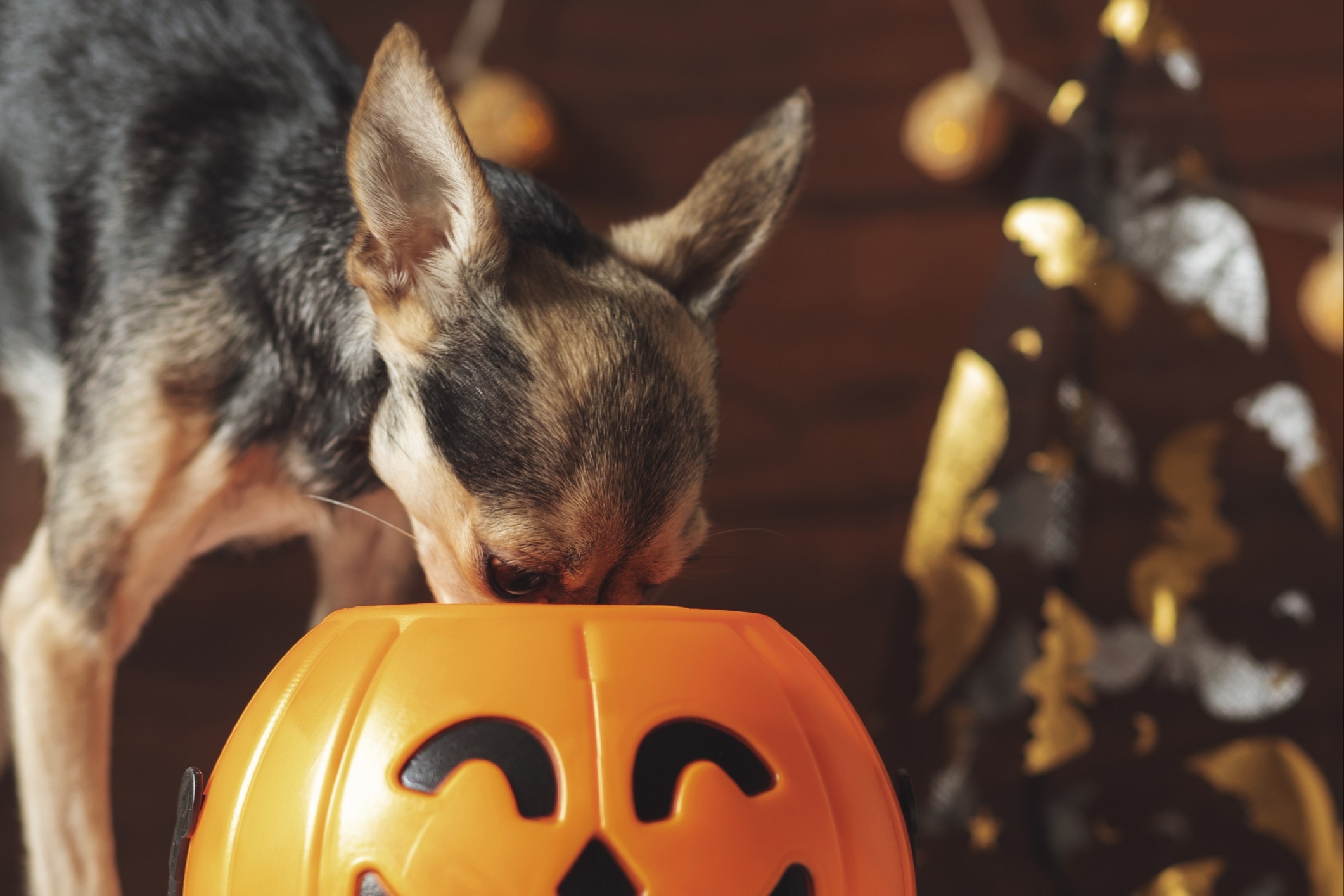
Candy wrappers crinkle like a bag of chips to a dog, and lollipop sticks are the perfect size to get lodged on the way down. Both can cause choking or a blockage, so toss them in a covered trash can the minute the candy is gone. Kids tuck wrappers into couch cushions and coat pockets like they’re hiding evidence, so remember to check there too.
6. Lower-Stress Costume
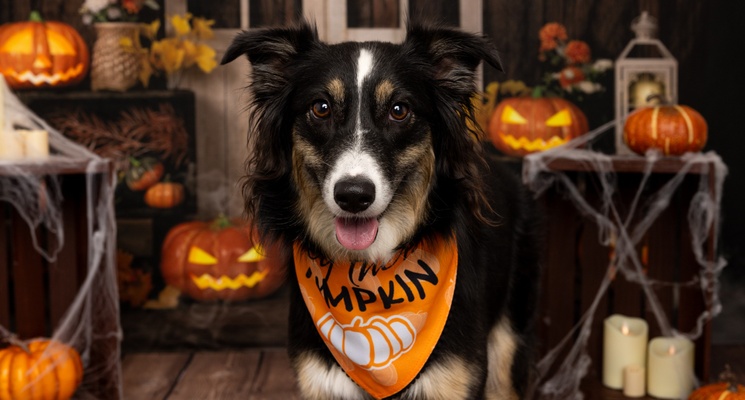
Plenty of pets would rather skip the costume, and a Halloween bandana or themed collar gets you the photo without the drama.
A bow tie works just as well, and it makes your pet look ready to host a game show where the grand prize is a belly rub.
7. Costume Dress Rehearsal
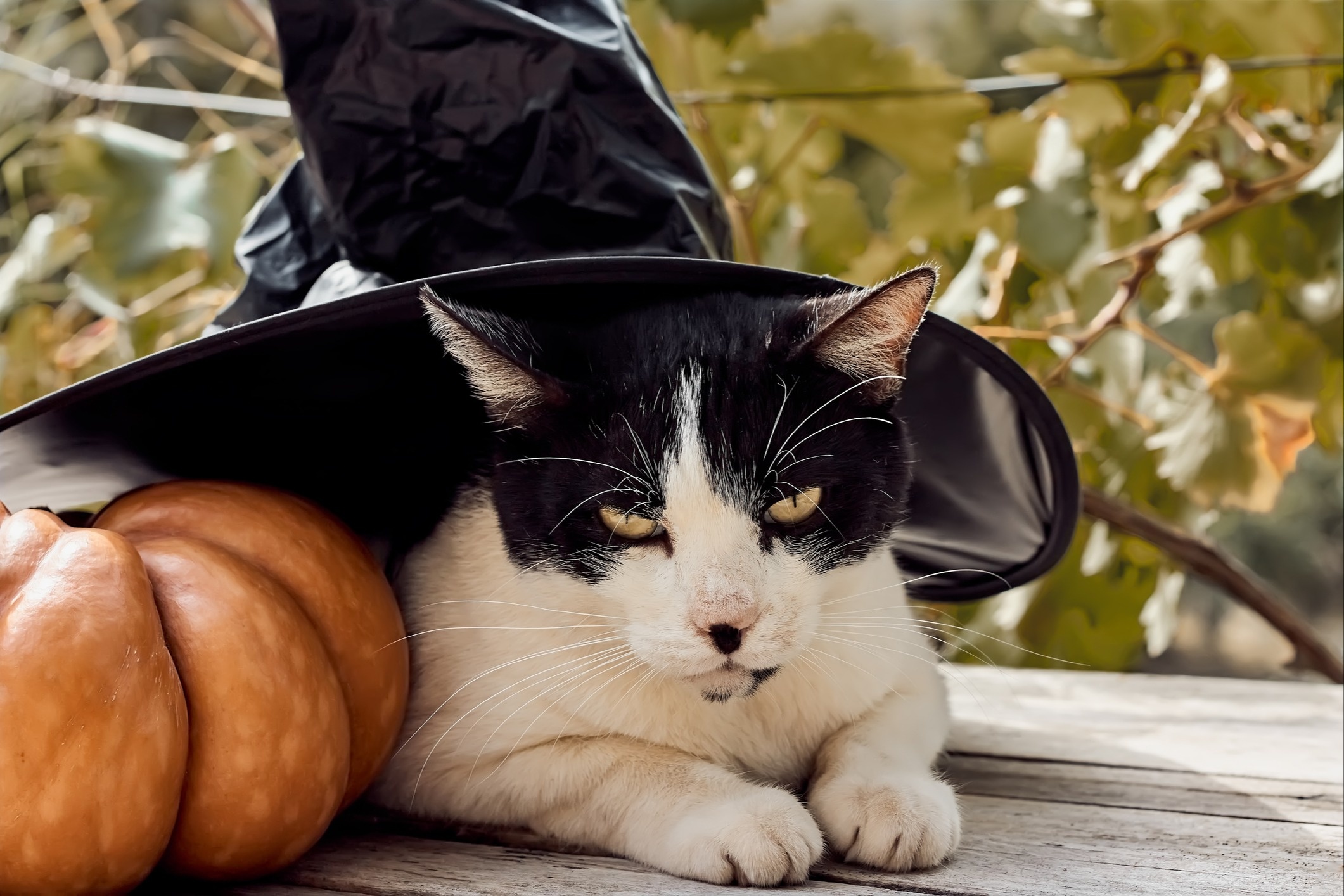
Hold a dress rehearsal a few days early, with short sessions and plenty of treats, so the costume doesn’t ambush your pet on the big night. Check that they can walk, see and hear in it, because nobody wants to relive the stiff plastic smock costumes of the ’80s that smelled like a shower curtain. If they freeze like a statue, yawns, pants, hides or starts pawing at the outfit, retire it and opt for the bandana instead.
8. Plan for Door Dashes
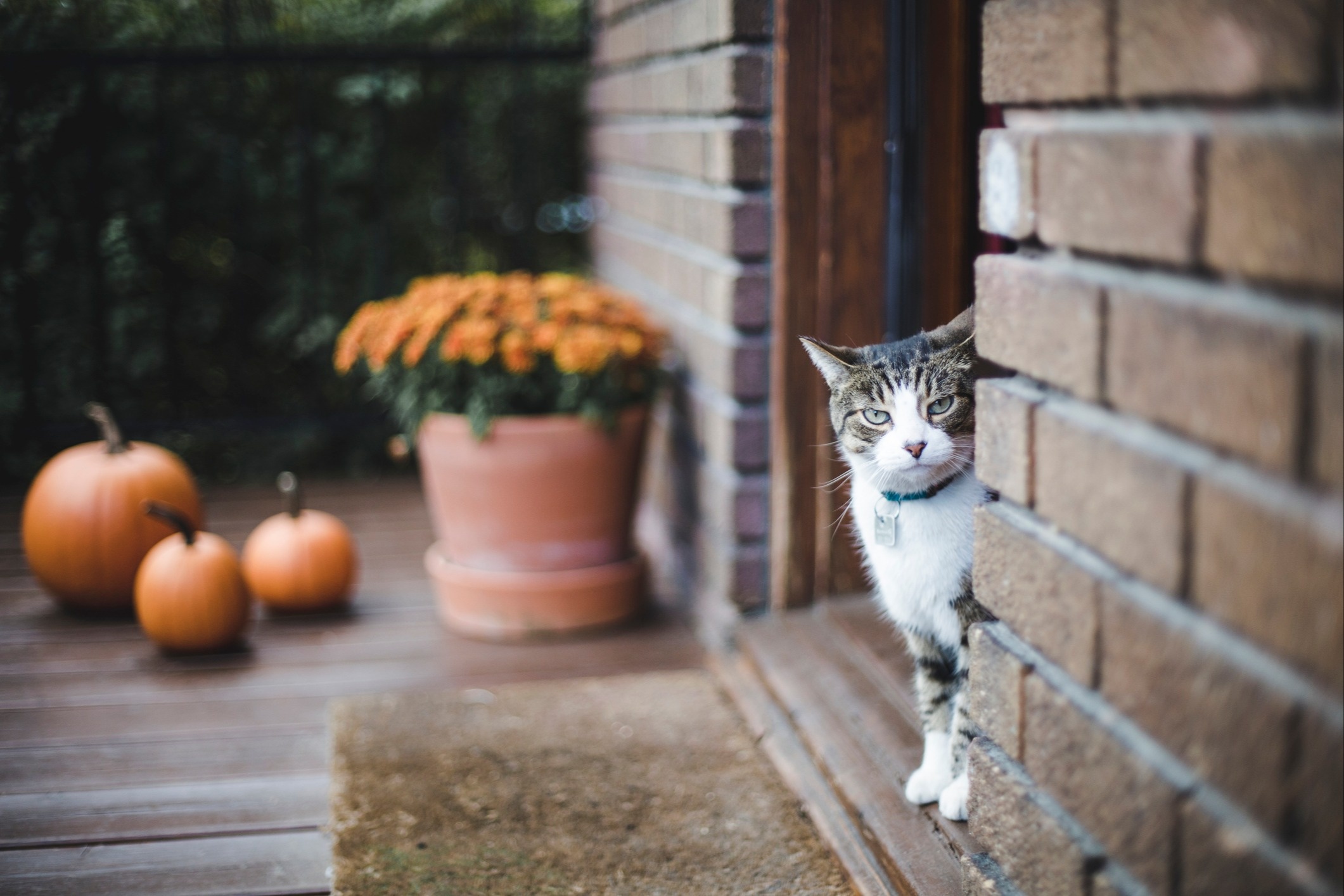
A cracked front door is to a dog what the ice cream truck is to a kid, and a pirate with a candy bucket on the porch only makes more enticing. Keep your pet behind a closed door or a baby gate whenever you answer, and make sure the ID tag has a phone number that still works in case they pull a jailbreak. A leash clipped on by the door is cheap insurance if your pet insists on supervising.
9. Check Decorations at Pet Eye Level
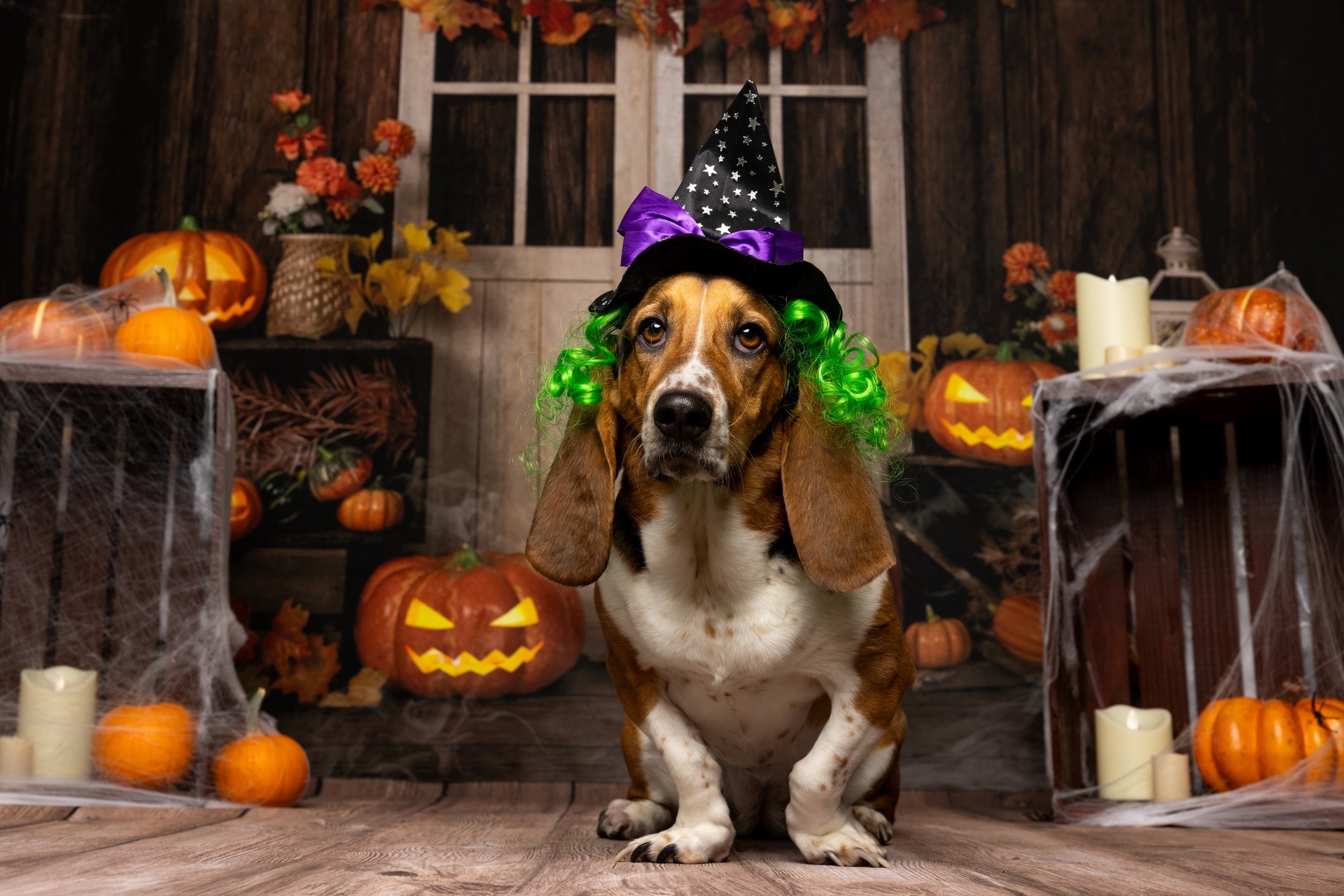
Get down on the floor and see your decorations the way your pet does, where streamers and plastic spiders look like a toy aisle. Fake cobwebs can get swallowed or tangled in eyes and fur, and glow sticks and cords are just as chewable. Swap real candles for flameless ones, since a wagging tail and a jack-o’-lantern make a terrible team.
10. Doorbell Triggers
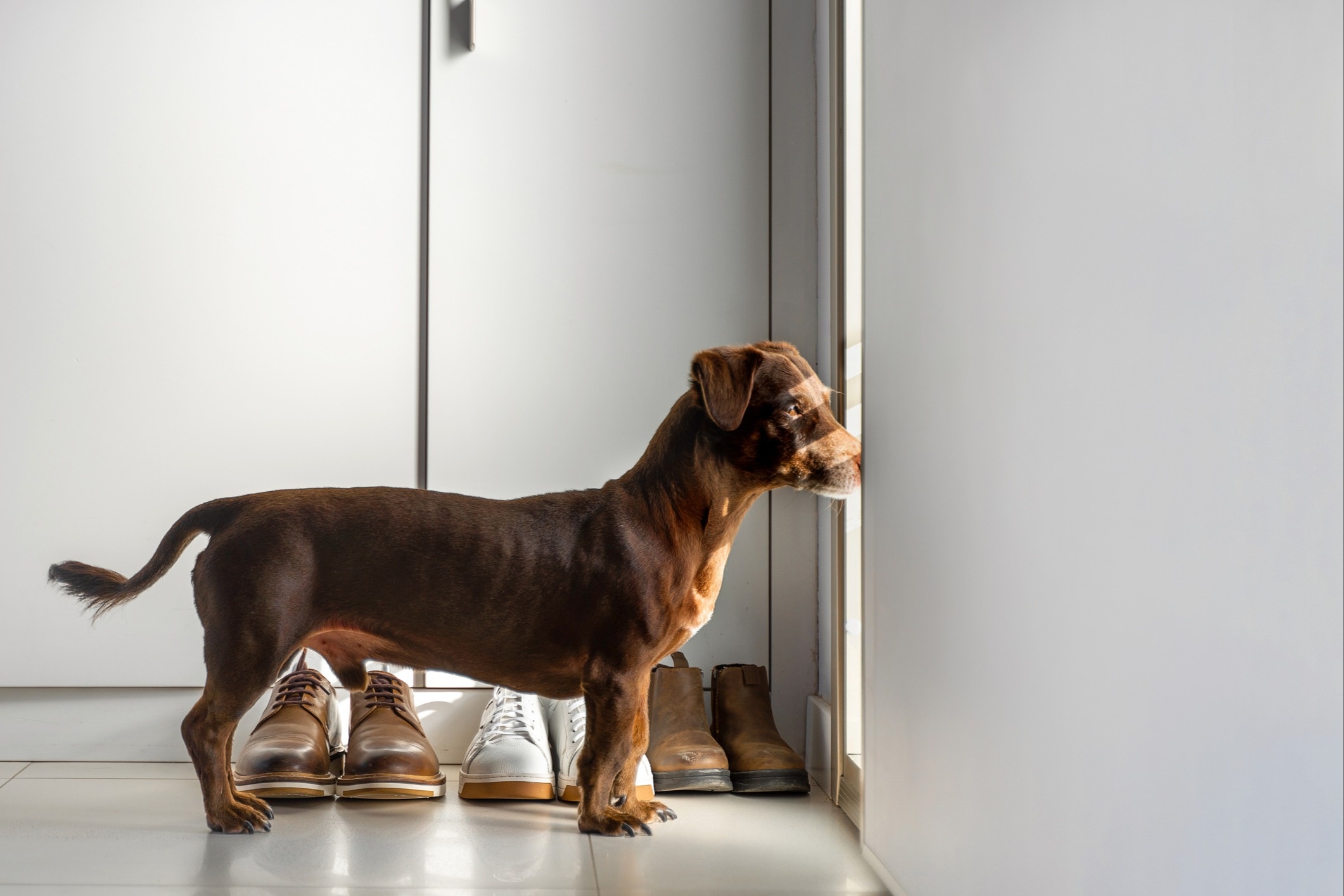
If your pet can’t handle the doorbell on the best of days, a night of trick-or-treaters will feel like a toddler let loose with a new set of pots and pans. Cover the button with tape or leave the candy bowl on the porch with a sign that says to help yourself, and trust the honor system until the first kid grabs a fistful.