Why the Old Playbook No Longer Works
It didn’t take long after Gen Z entered the workforce for many to realize it was not how they wanted to spend their lives. The traditional path was clear: land a corporate job, work a 9-to-5, contribute to a 401(k) and retire at 65. It promised stability but often came at the cost of time, flexibility and personal freedom. For decades, the expectation was to live to work. Now, Gen Z is pushing back and choosing to build lives where work fits in, rather than shaping their lives around it. In fact, 43% believe they're investing better than their parents, signaling a shift in how younger generations think about money, risk and control.
Gen Z has leaned into the financial market, specifically day trading. What sets day trading apart from traditional investing is that it is one of the fastest and riskiest ways to make money. It is often portrayed as a lifestyle that allows someone to be at the beach and make a couple hundred dollars in seconds. This shift in work culture has become a force that is hard to ignore. Rather than resisting it, it may be more useful to step back and understand why it is happening. The generation’s new motto has become “no risk, no reward,” a mindset that looks very different from the security-first values that once shaped how people built their lives. According to the CFA Institute, 56% of U.S. Gen Z adults ages 18 to 25 own some form of investment, underscoring how deeply financial participation has already taken hold among young adults.

Scrolling Into the Stock Market
Day trading has gained traction largely through casual conversations online, where financial influencers share tips, strategies and insights into the market. Their content often blends financial advice with aspirational lifestyles, encouraging followers to believe similar success is within reach. Influencers like Sierra Aaliyah and David Kang contribute to the day-trading conversation in different ways. Sierra shares insights and visibility into her trading journey, while Kang monetizes his expertise through paid courses, suggesting that success is something that can be taught or bought. At the same time, this exclusivity can make day trading feel intimidating. The risk isn’t just financial; even deciding to participate can feel like a gamble.
So before you roll your eyes, here’s what day trading actually looks like. It involves buying and selling stocks within the same trading day to profit from small price changes. Instead of waiting months or years, traders can be in and out of positions within minutes. In the United States, making more than four day trades within five business days officially classifies someone as a day trader. At that point, the cost rises significantly, since traders must maintain at least $25,000 in their account to continue without restrictions from their broker.
The Fine Print Behind the Flexibility
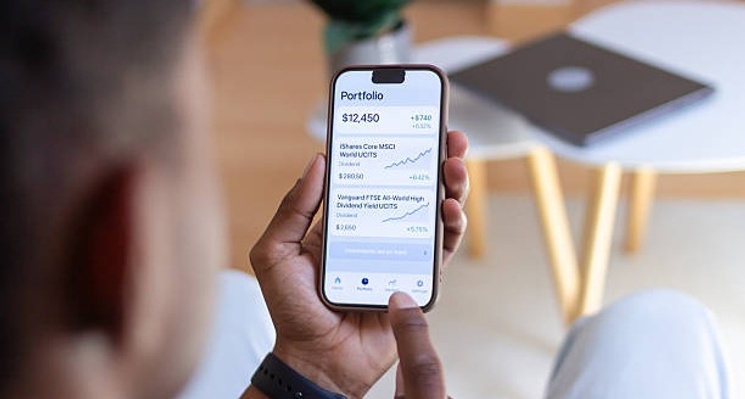
This is what makes day trading so intimidating. Money moves fast, decisions are constant and useful information takes time and effort to understand. When people believe they’ve found a “secret,” they tend to guard it closely. Apps like Robinhood make day trading feel more accessible by allowing users to study trends and explore tools like Robinhood Legend, which offers real-time market data and customizable views. Platforms like Webull go a step further by offering tools for probability analysis, options calculators and volatility tracking, helping users better understand potential trades before putting real money on the line.
In the end, day trading isn’t just about the market. It reflects a generation pushing back against expectations that no longer fit its reality. As traditional career paths lose their appeal, Gen Z continues to experiment with new ways of working, earning and living. These choices may be risky, but they’re rooted in a desire for freedom, flexibility and a future that feels livable, something the old model no longer seems to guarantee.