


Despite its misleading “Hulu” show description, “Furious” explores a high-stakes cat-mouse game between two women equally fighting for justice by their own means. For fans of “Killing Eve,” the show might evoke a familiar feeling as with the back-and-forth between Eve and Villanelle — except our two leads in “Furious” are both women who have been victims of violence. The opening scene shows lead Catherine wearing a cat mask, sitting on the steps of a Brownstone in New York where she waits idly for unsuspecting trick-or-treaters. The camera then pans to a man struggling to fight for his life as the assailant moves casually between the house and the outdoors to where trick or treaters rome about. Catherine, the lead actress, walks back into the house and crouches down on the stairs next to the man and whispers to him “I don’t love the sounds you’re making. But I love your smile.” She proceeds to smile at him as he slowly succumbs to his passing then proceeds to sit up to casually eat pieces of candy corn, one at a time.
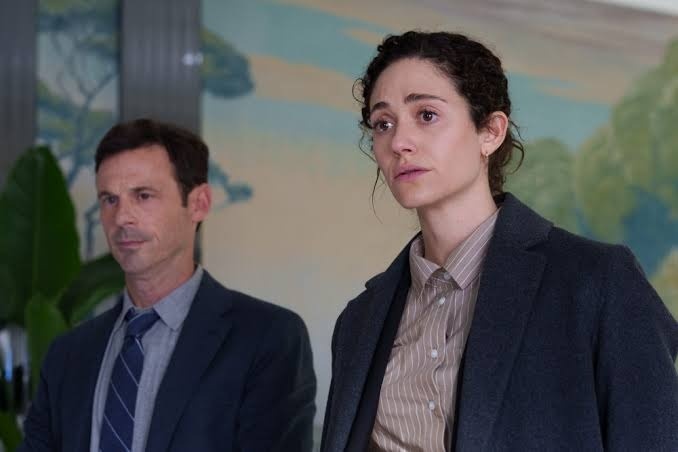
From the initial pilot, Catherine, also known by several aliases, does not fit into the mold of your typical perpetrator. She is petite in stature and possesses traits that present as childlike and unassuming. To the viewer, her slightness makes her seem incapable of committing the crimes shown on the screen and that is precisely what makes her so dangerous.
Alice Black, played by Emmy Rossum, is an FBI agent who has similarly suffered at the hands of men but, conversely, fights injustice through her work at the Federal Bureau.
The series, created by "New Girl" and "The Dropout" writer Elizabeth Meriwether, was loosely inspired by the 1987 film Black Widow, which is even credited by name in the opening titles. But "Furious" isn't interested in a straight remake. Where the original followed a woman who married and murdered wealthy men for money, this version follows rookie FBI agent Alice Black as she investigates a string of deaths connected to a mysterious woman who targets wealthy and powerful men — men who, it turns out, have largely escaped consequences for the harm they've caused. That thread echoes real-world headlines, underlining the show’s investigation
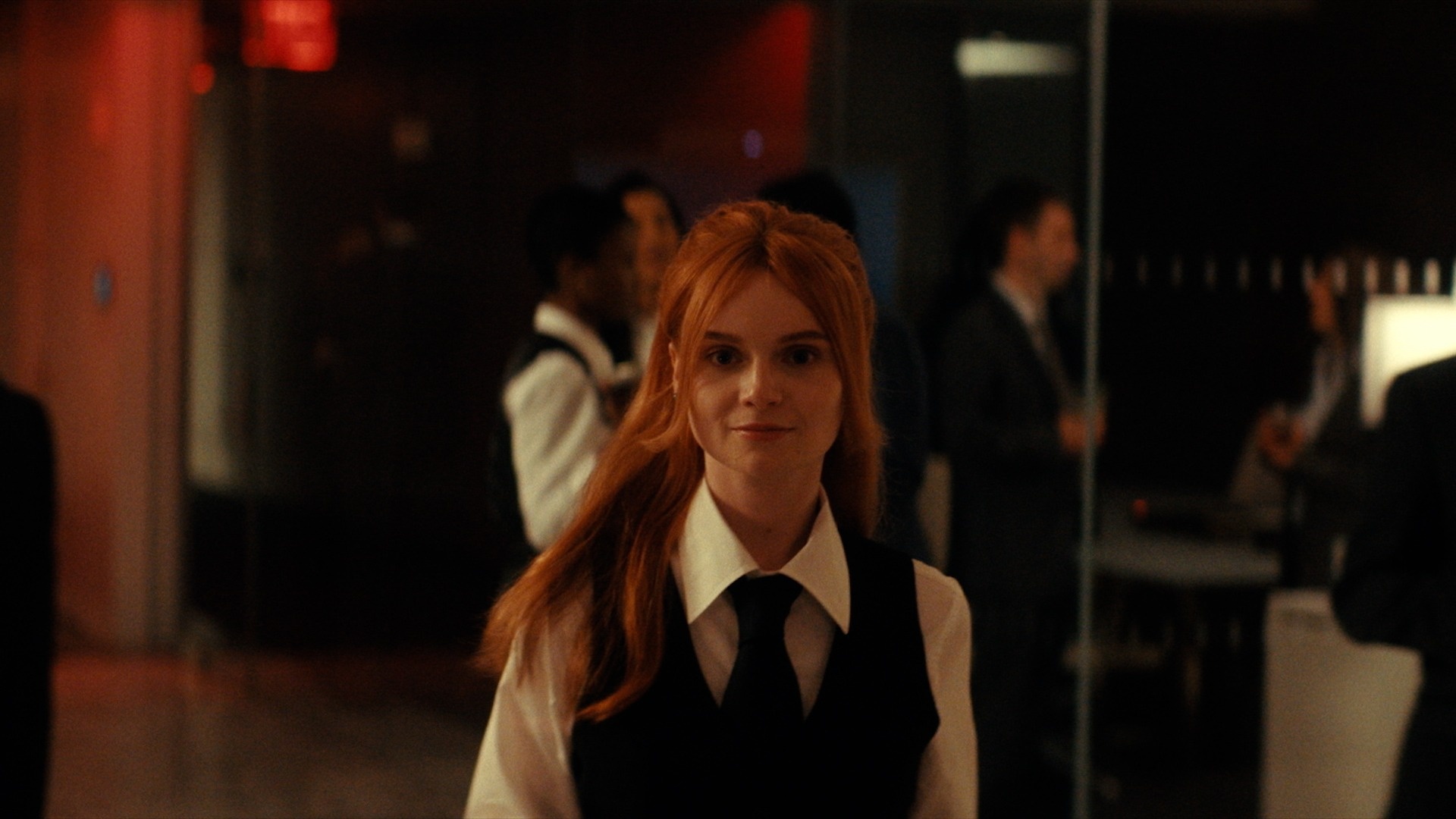
What separates "Furious" from your typical detective series is its refusal to let either woman rest on one side of the moral line. Meriwether has described the show as an exploration of how being a victim of violence can lead to becoming a perpetrator of violence, and an attempt to complicate the idea of the "perfect victim." Catherine and Alice are effectively mirror images: Catherine has harnessed her pain and uses it to enact revenge, while Alice has suppressed her own pain, separating herself from her work which largely deals with other victims of violence. Neither is easy to root for, but both also evoke a lot of empathy from viewers, which is the exact grey area the show seeks.
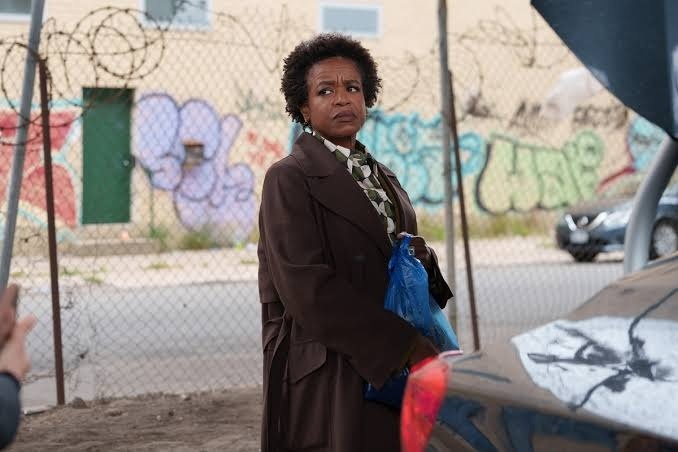
The supporting cast rounds out the show without just filling in plot gaps. Nora, an FBI veteran with a wry sense of humor, and Danny, a single father trying to do right by his son, give the show a few “good” characters. Steve Way, playing a home-health patient in Catherine's orbit, brings some comic relief that briefly lightens the show's otherwise bleak tone.
Before the show's finale, "Furious" has answered enough to keep the mystery moving without giving up its central question: who, exactly, deserves the audience's sympathy? Additionally, who will be getting served justice? Catherine? The men she hasn’t targeted yet? Alice’s ex-boyfriend? These questions, which the show seems to enjoy leaving unresolved, and the discomfort the plot leaves viewers in, are what make it well worth the watch.