1. Give Your Fridge a Temperature Check
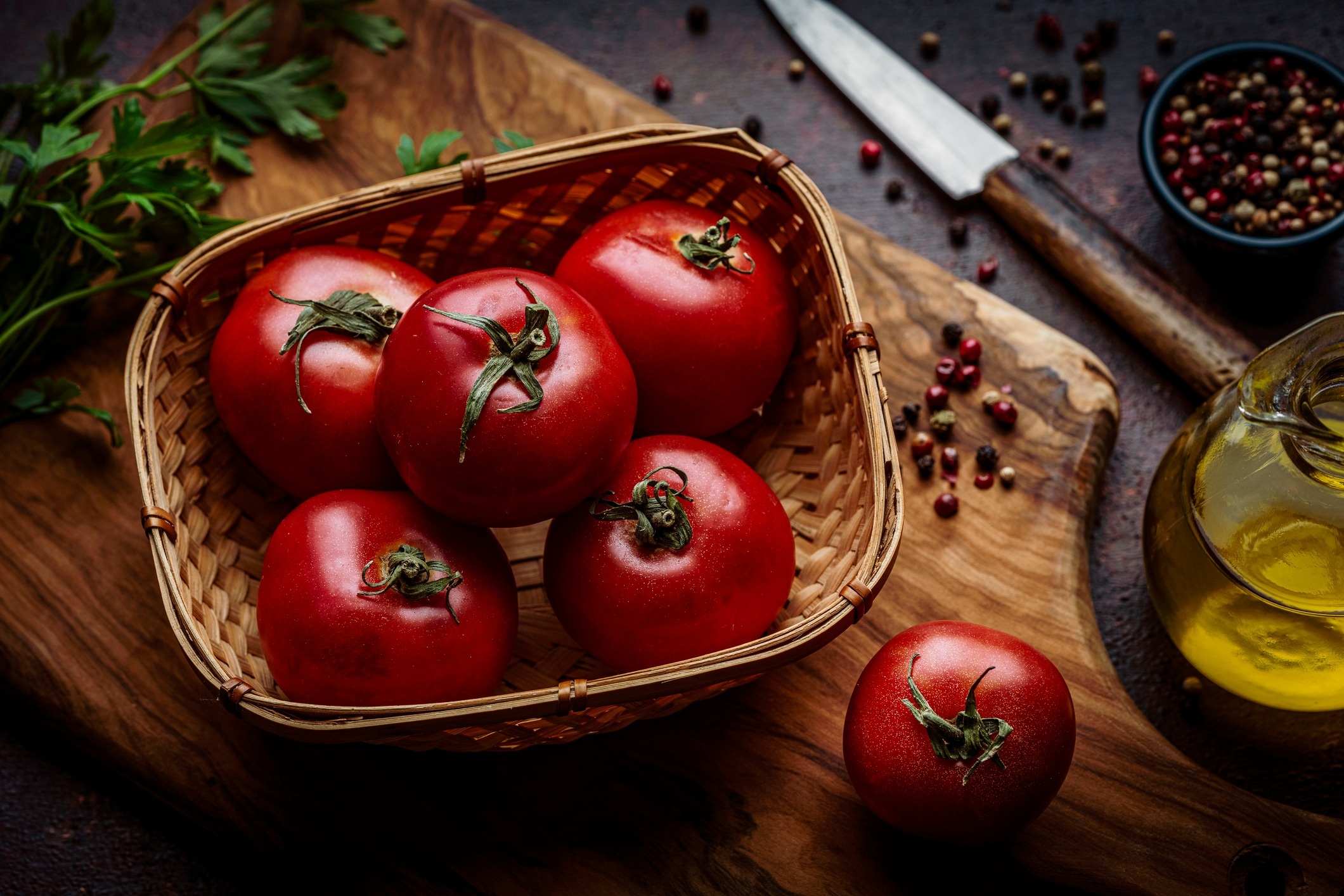
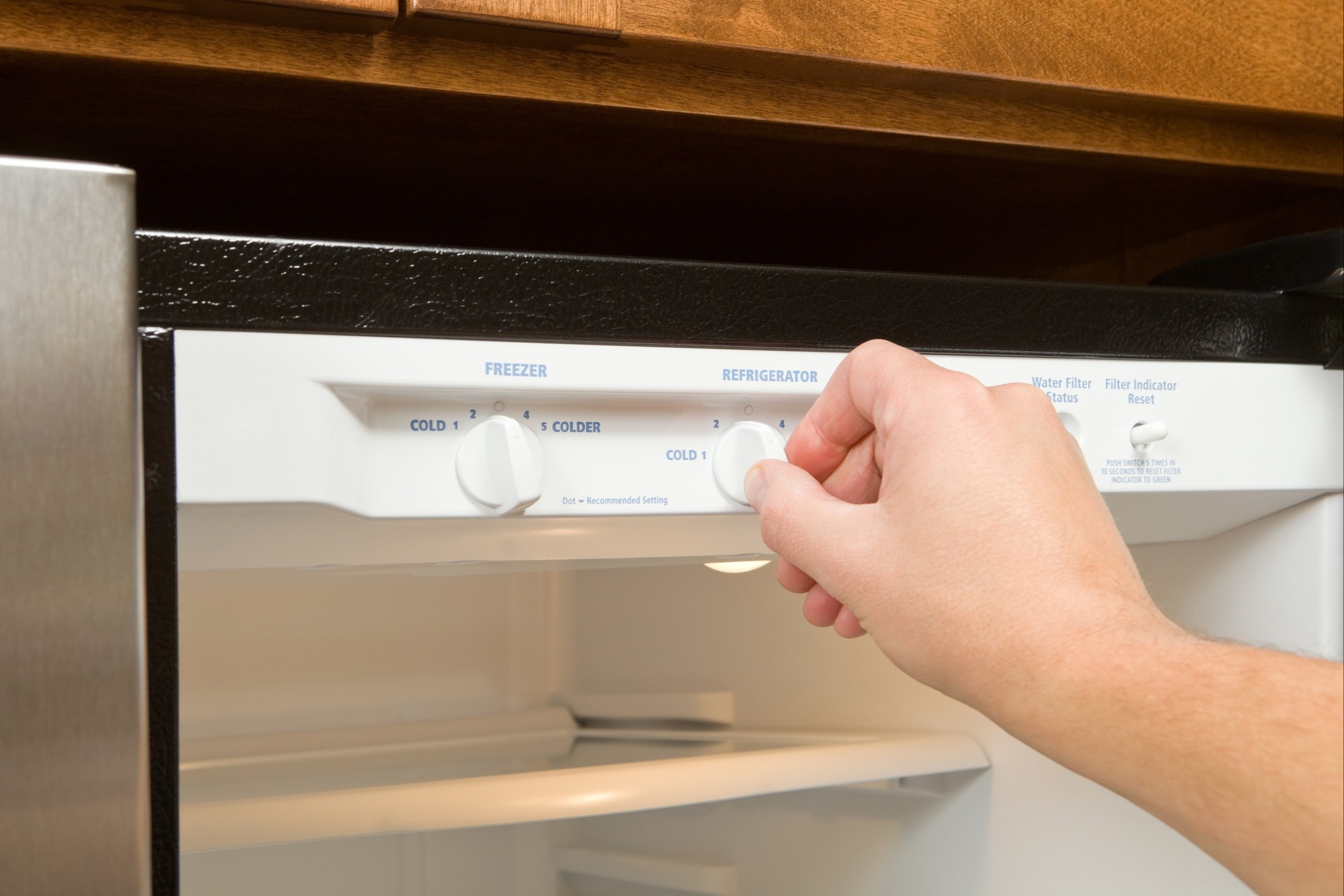
Your fridge might feel cold enough to store a snowman, but that doesn't mean it's actually keeping food at a safe temperature. The sweet spot is 40 degrees Fahrenheit (4 degrees Celsius) or lower, which helps slow bacterial growth and keep perishable food safe. Grab an inexpensive fridge thermometer and check the temperature rather than relying on the settings dial.
2. Sort Your Produce Into the Right Crisper Drawer
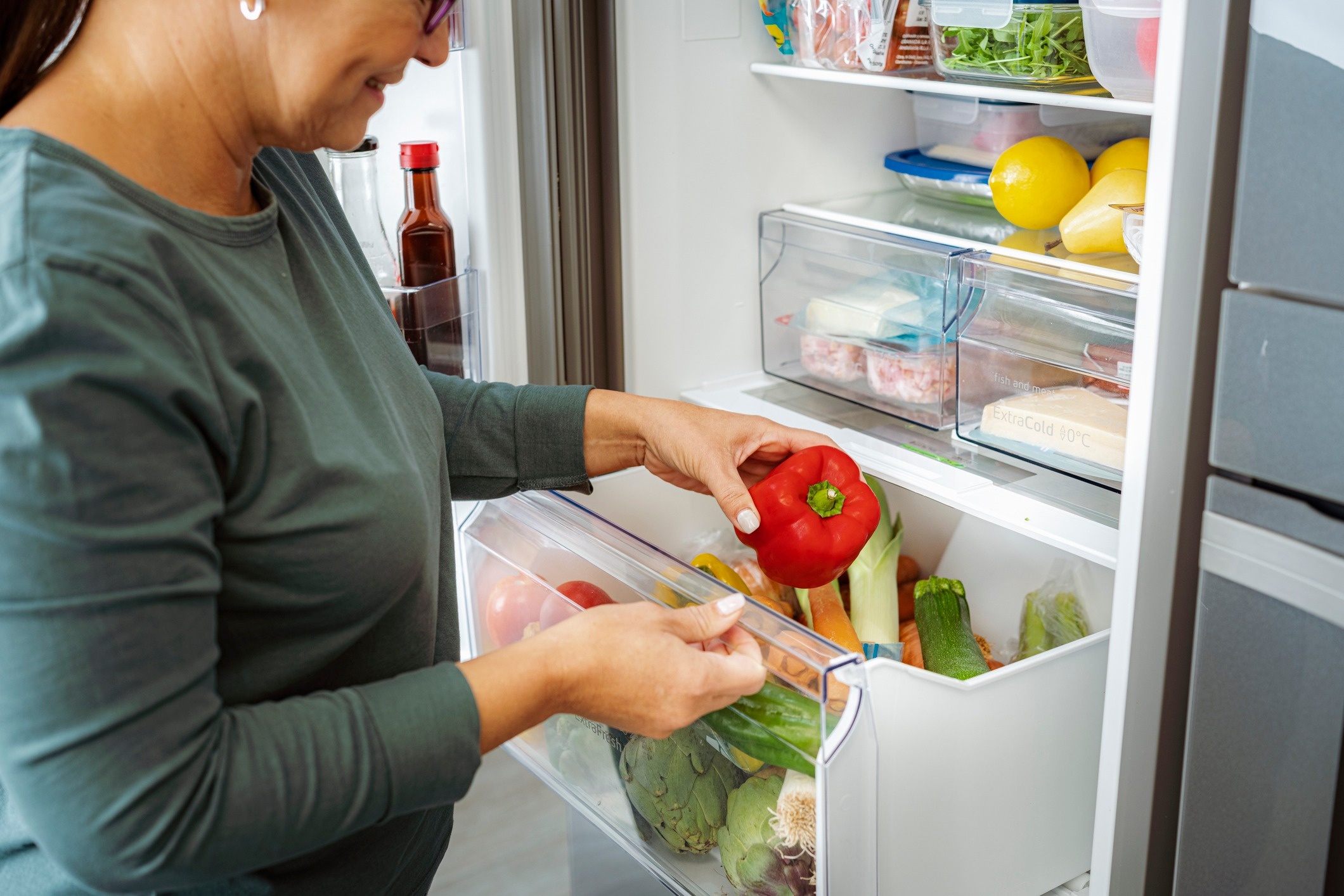
Those two drawers at the bottom of your fridge aren’t a junk drawer for whatever won’t fit on a shelf. They control humidity, which can help your produce last longer. Veggies and leafy greens go in the high-humidity drawer, which holds moisture in. Fruit goes in the low-humidity drawer, where the vent works like a cracked window and lets some moisture and ethylene gas out.
3. Hold off on Rinsing Your Produce
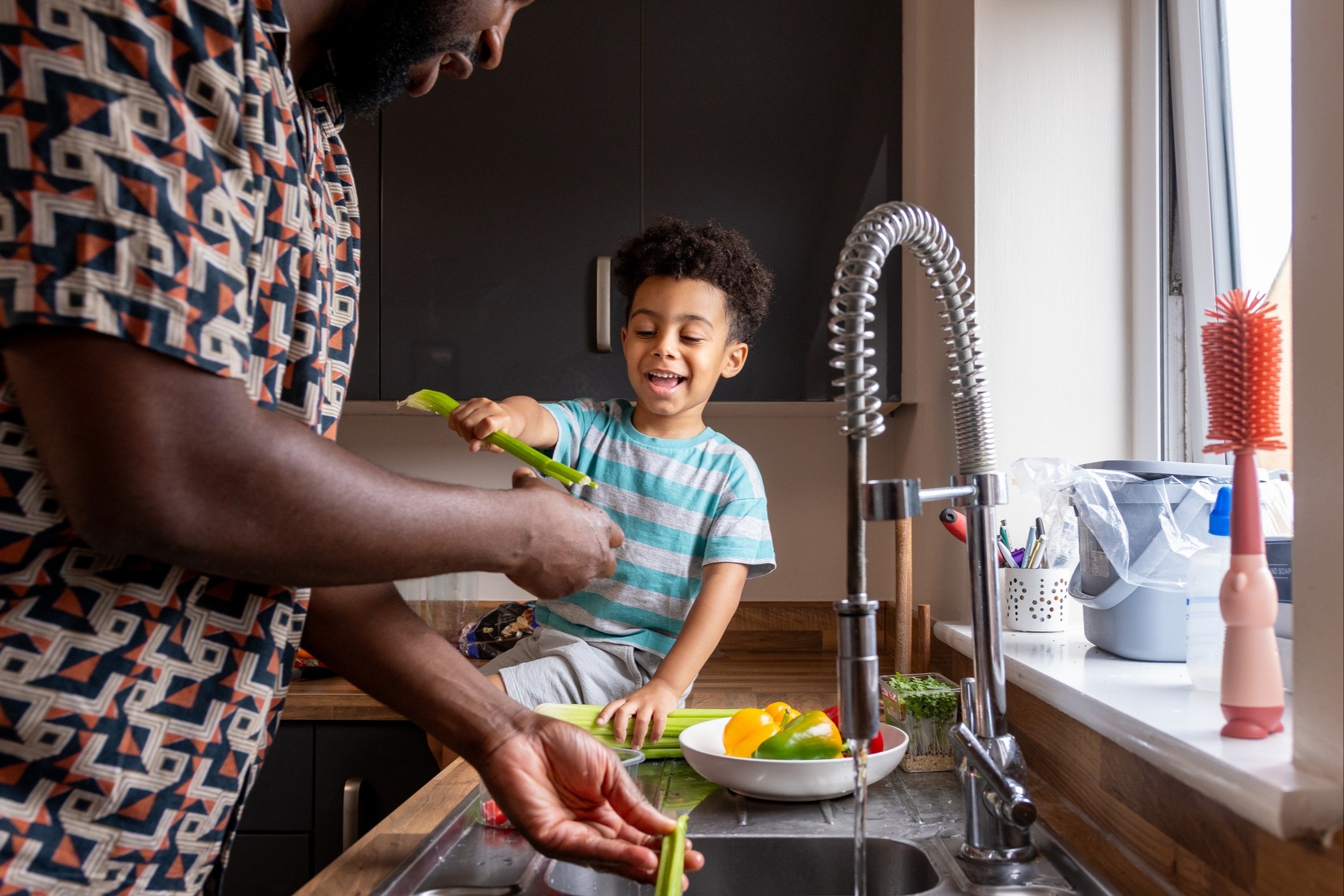
Rinsing everything the second you get home can make you feel like a proper grown-up but it can also backfire. Extra moisture can make many items spoil faster, so wash produce right before you're ready to eat it. If you simply can’t resist, make sure to dry it thoroughly with clean paper towels before it goes in the fridge.
4. Give Fresh Herbs a Better Chance at Survival
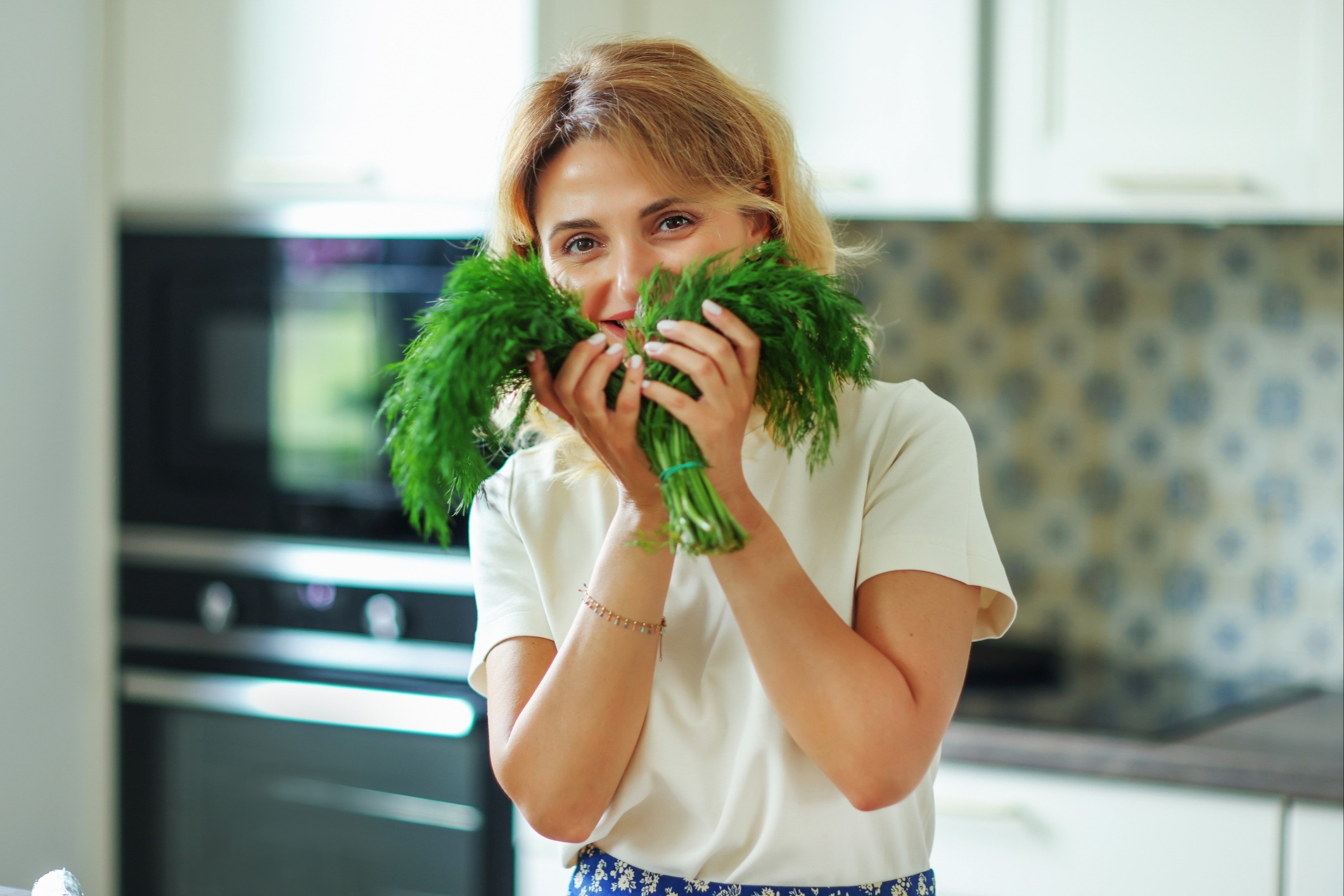
Fresh herbs have a habit of going from vibrant green to sad little clumps before you've even figured out what to make with them. Most do best rolled loosely in a damp (not soaking wet) paper towel and tucked into a resealable bag in the crisper.
Basil is the diva of the bunch because its leaves turn black in the fridge, so keep it on the counter in a glass of water like a fragrant bouquet.
5. Give Raw Meat the Bottom Bunk
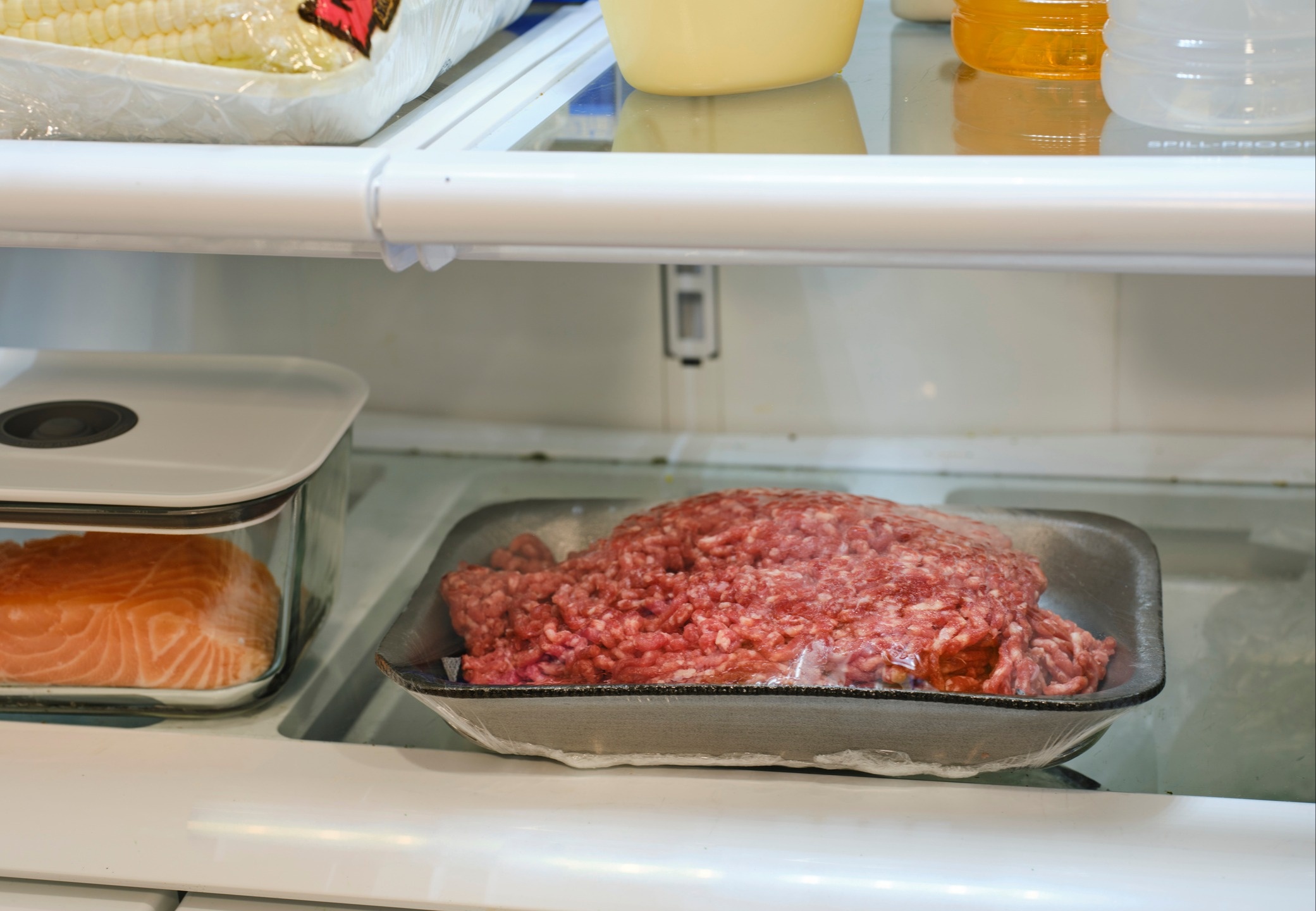
Raw meat needs its own space in the fridge, preferably on the bottom shelf. If a package leaks, you don't want raw meat juices making their way onto the leftover pasta you were planning to eat for lunch. Keep raw meat, poultry and seafood in sealed containers or leakproof bags to prevent cross-contamination.
6. Stop Letting Leftovers Become Fridge Furniture
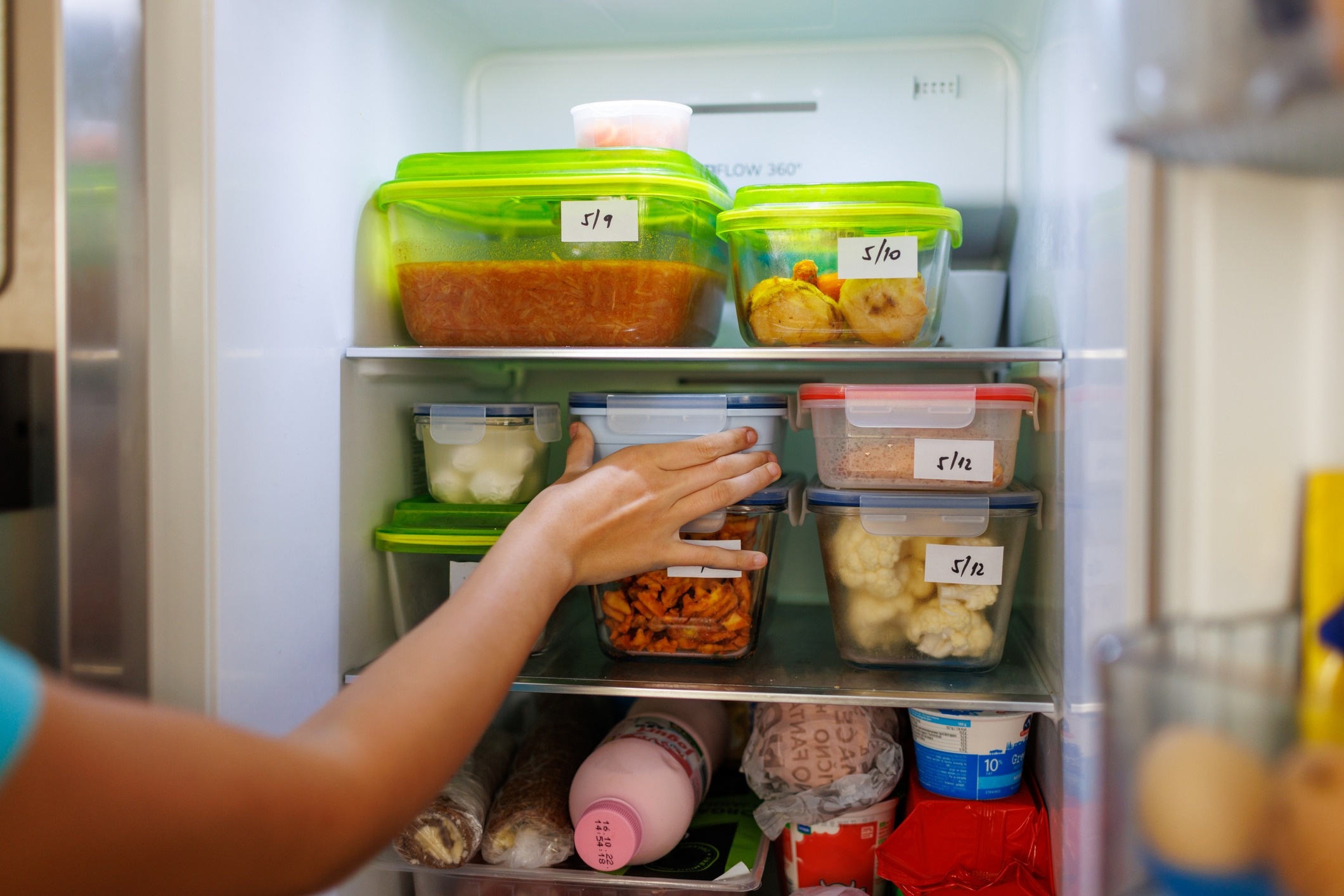
There’s a fine line between saving leftovers for tomorrow’s lunch and keeping them around long enough to become part of the kitchen decor. Label each one with the dish and the date and park it somewhere you’ll actually see it. Most cooked leftovers are good for three to four days, so think of that label as a countdown.
7. Put Your Use-It-Soon Foods Front and Center
You know that bag of spinach you bought with plans for several nutritious meals? The one now hiding behind three jars of condiments and a carton of orange juice? Out of sight really can mean out of mind when it comes to groceries. Create a designated spot on a shelf for food that needs using soon. Move older groceries to the front and put newer purchases behind them.
8. Stop Storing Everything in the Fridge Door
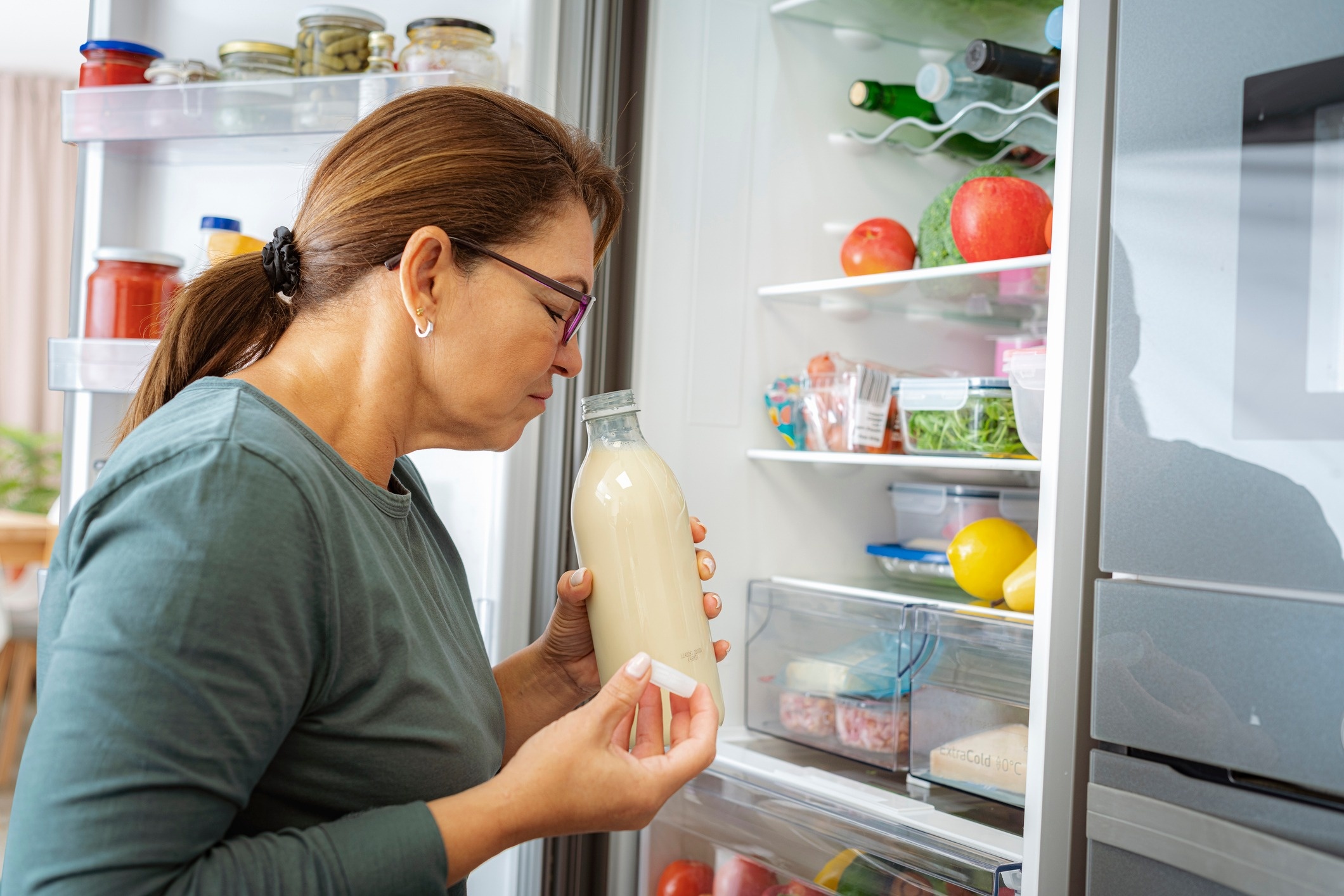
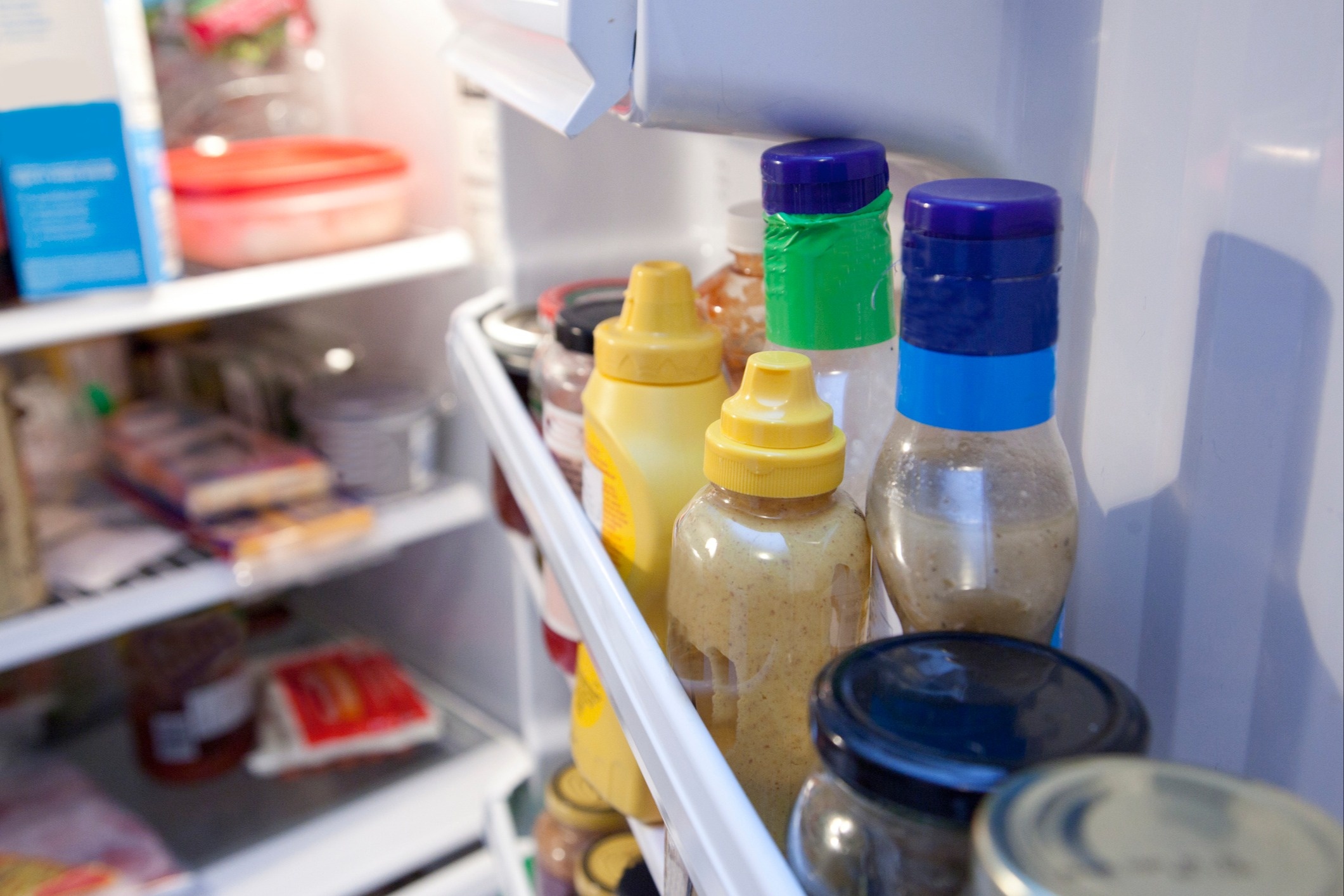
Think of those handy door shelves as the front porch of your fridge. Every time someone opens the door, warm kitchen air rolls in, which makes it the warmest spot in there. Ketchup, mustard, pickles and jam can handle the weather. Milk and eggs are indoor types, so give them a middle shelf inside the fridge, where the temperature holds steadiest, even if the perfectly egg-shaped slot is calling your name.
9. Resist the Urge To Play Fridge Tetris
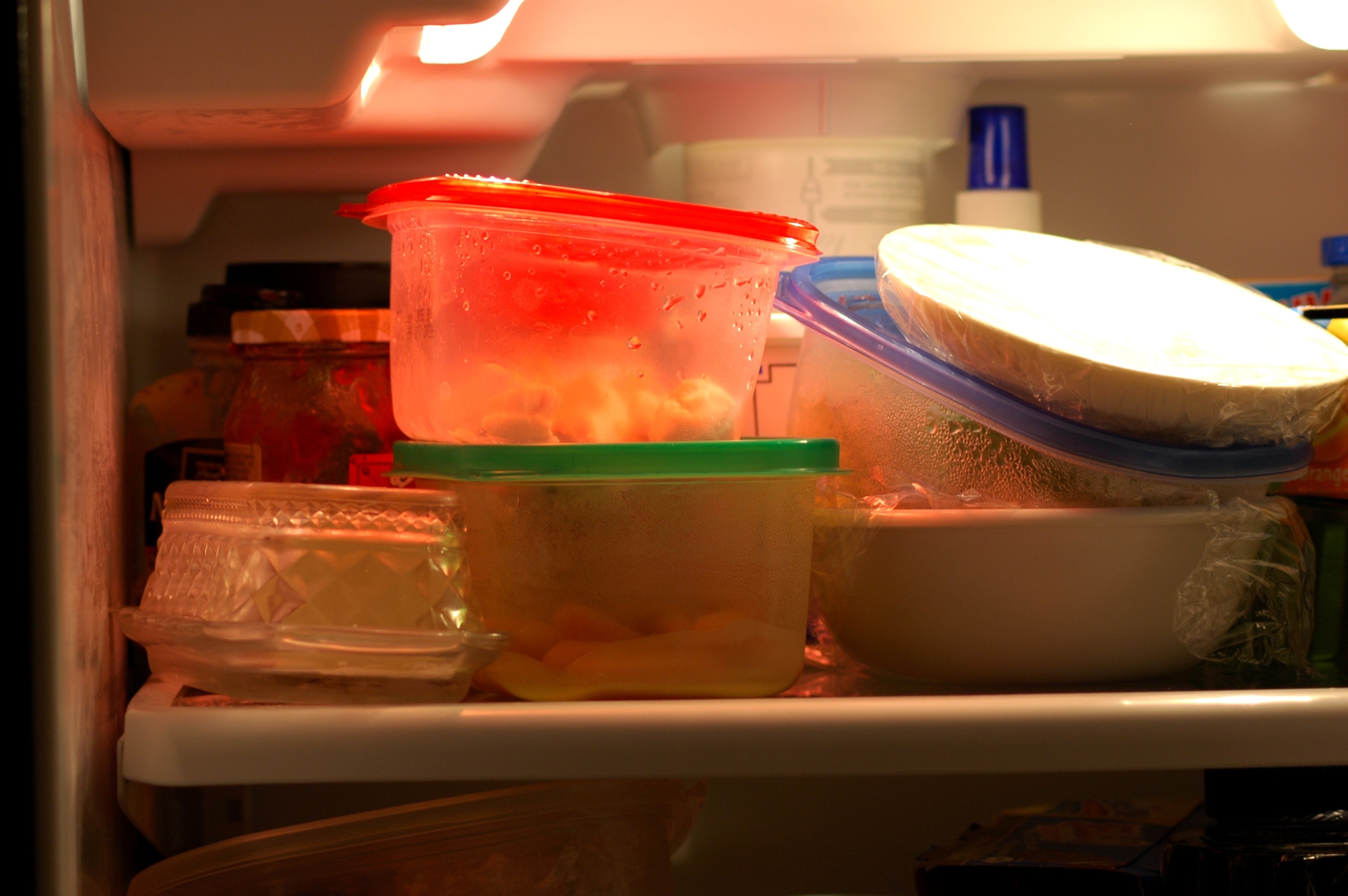
There's always room for one more container, right? Maybe you can just wedge the yogurt behind the juice and balance the leftover casserole on top of the butter. But packing your fridge too tightly can prevent cool air from circulating properly. Leaving some breathing room between food containers allows your fridge to maintain a consistent temperature and, as an added bonus, you'll actually be able to see what's in there.
10. Not Everything Belongs in the Fridge
Not every fruit and vegetable wants to live in the cold. Potatoes, sweet potatoes, onions and dry garlic prefer cool, dry conditions and bananas stop ripening in the fridge while their skins turn black. Avocados, peaches and pears can ripen on the counter first, then move to the fridge for a few more days. Tomatoes stay on the counter too, unless they’re very ripe and you won’t get to them in time.