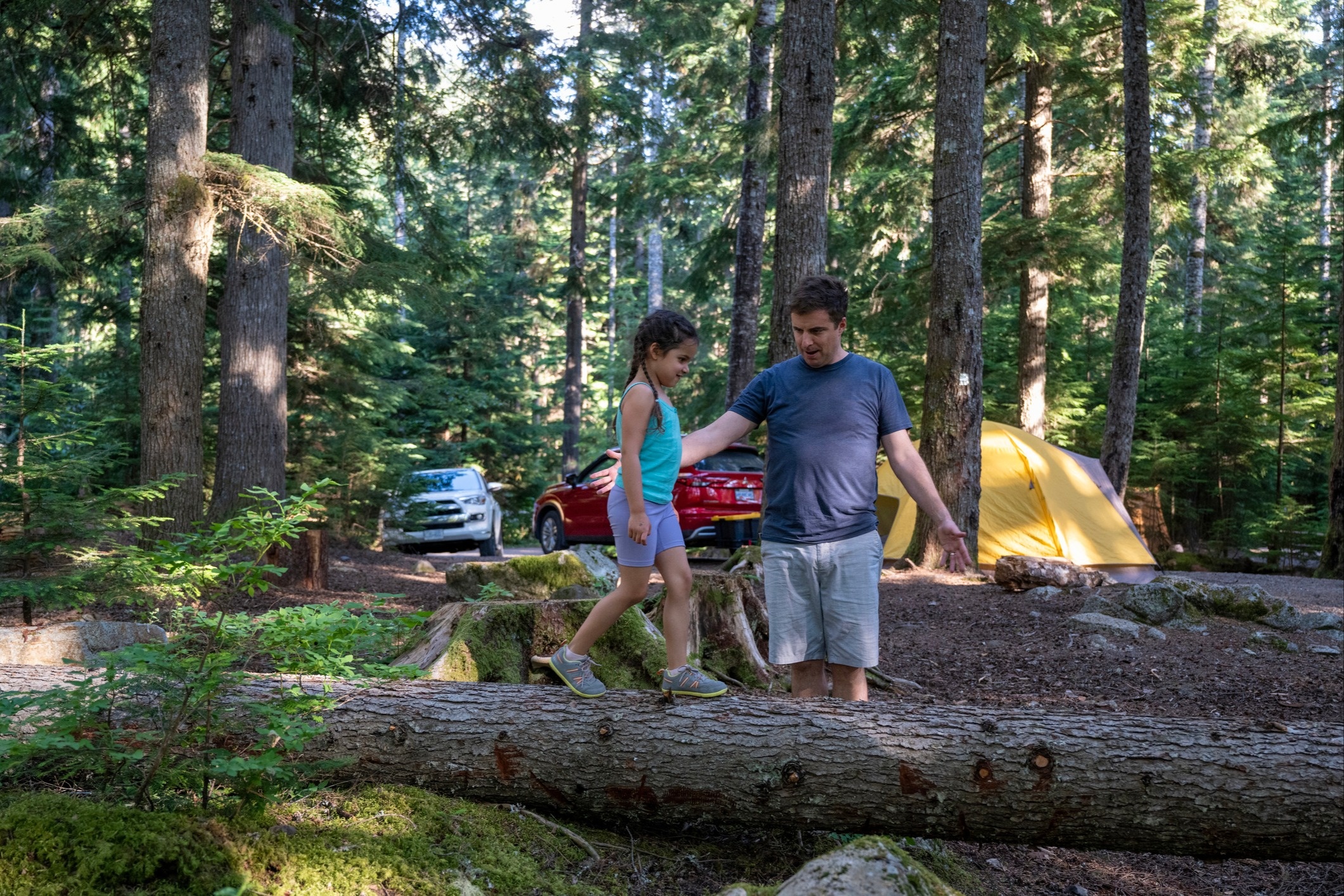
The Canadian Rockies — known for their picturesque views and breathtaking nature — are a dream destination for avid outdoor enthusiasts and campers alike. Between mineral rich hot springs in Banff National Park and offering some of the freshest water in the world at Columbia Icefield, the Rockies are a place to cherish and indulge in nature at its greatest. Not sure where to map out your campaign trip or which activities to add to the itinerary? Look no further than this comprehensive breakdown of where to go and what things you should plan on doing.
Plan for the Big Three National Parks
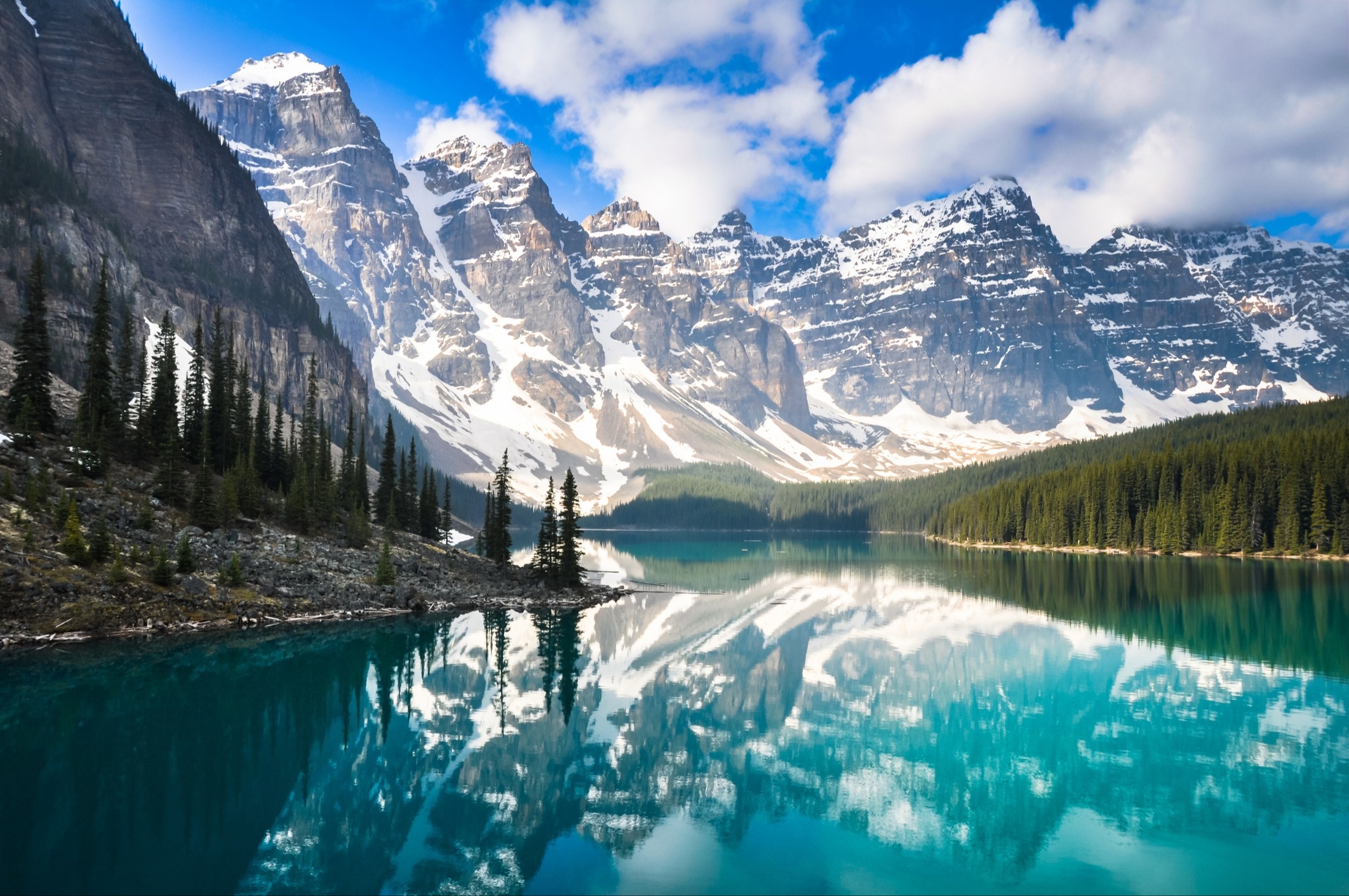
The central part of any Rockies itinerary starts with Banff, Jasper and Yoho National Parks. Banff is the crown jewel, offering iconic views of turquoise waters like Lake Louise and Moraine Lake. Just be sure to arrive early in the day to beat the crowds. If you want a slightly more rugged and quiet experience, Jasper National Park to the north provides sprawling wilderness and incredible stargazing opportunities as a designated Dark Sky Preserve. Yoho National Park, whose name comes from a Cree word expressing “awe,” is home to the towering Takakkaw Falls and Emerald Lake. It's a perfect blend between mountain peaks and peaceful waterfronts without the heavy foot traffic of neighboring parks.
Decide on Frontcountry vs. Backcountry
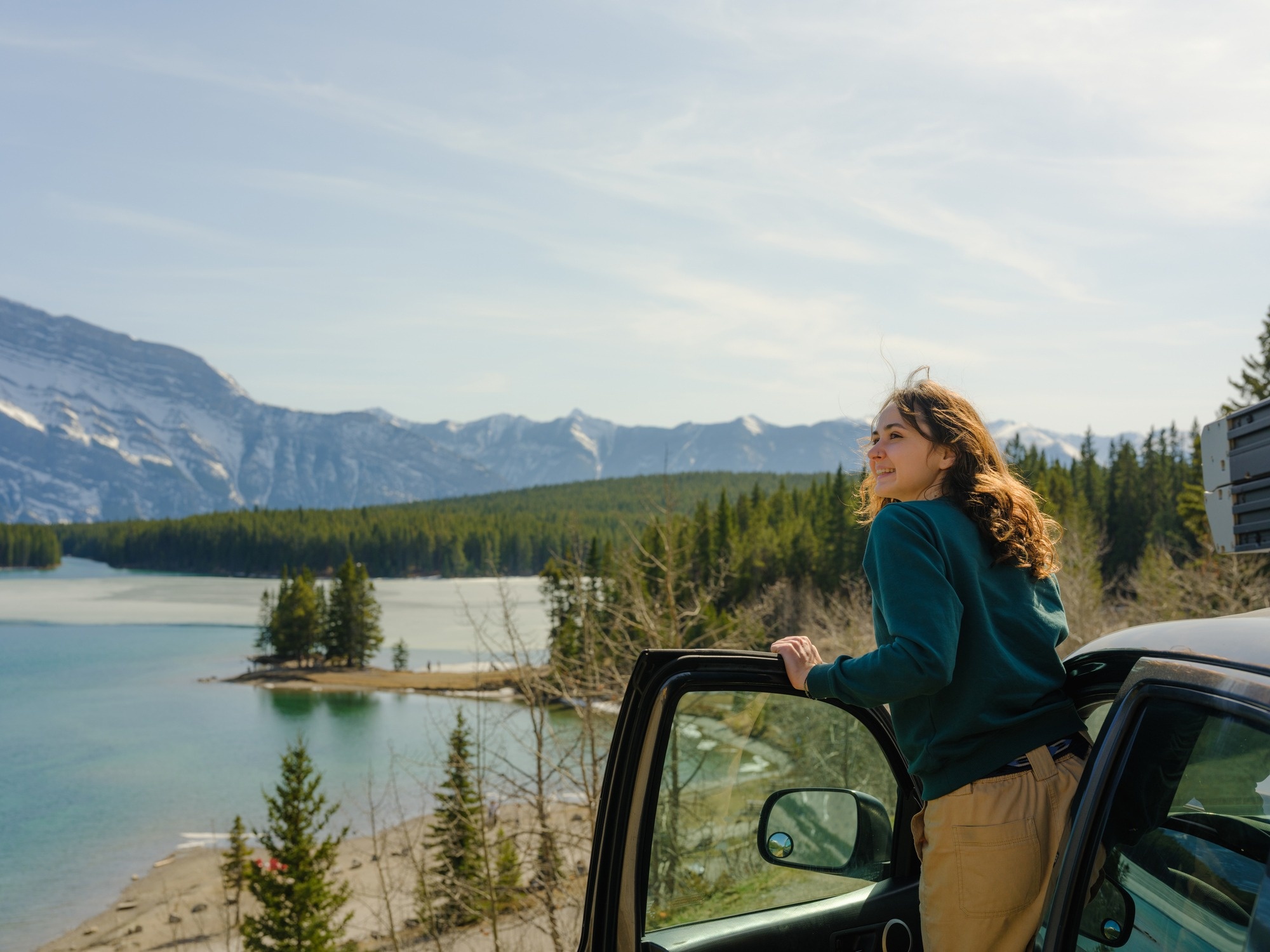
In choosing where to set up camp, you’ll need to pick between the "frontcountry" and the "backcountry" camping experiences. Frontcountry sites, like Two Jack Lake in Banff or Whistler in Jasper, for example, are easily accessible by car and often include amenities like hot showers, fire pits, even Wi-Fi in select areas, making these locations ideal for less skilled campers or families. For adventurers seeking a more traditional outdoors experience, backcountry camping involves hiking your gear into remote areas like the Tonquin Valley. Although more physically demanding and requiring more outdoor experience, you’ll get the total silence of the mountains and the opportunity to have the full Rockies experience free of tourists.
Take a Drive Through the Icefields Parkway
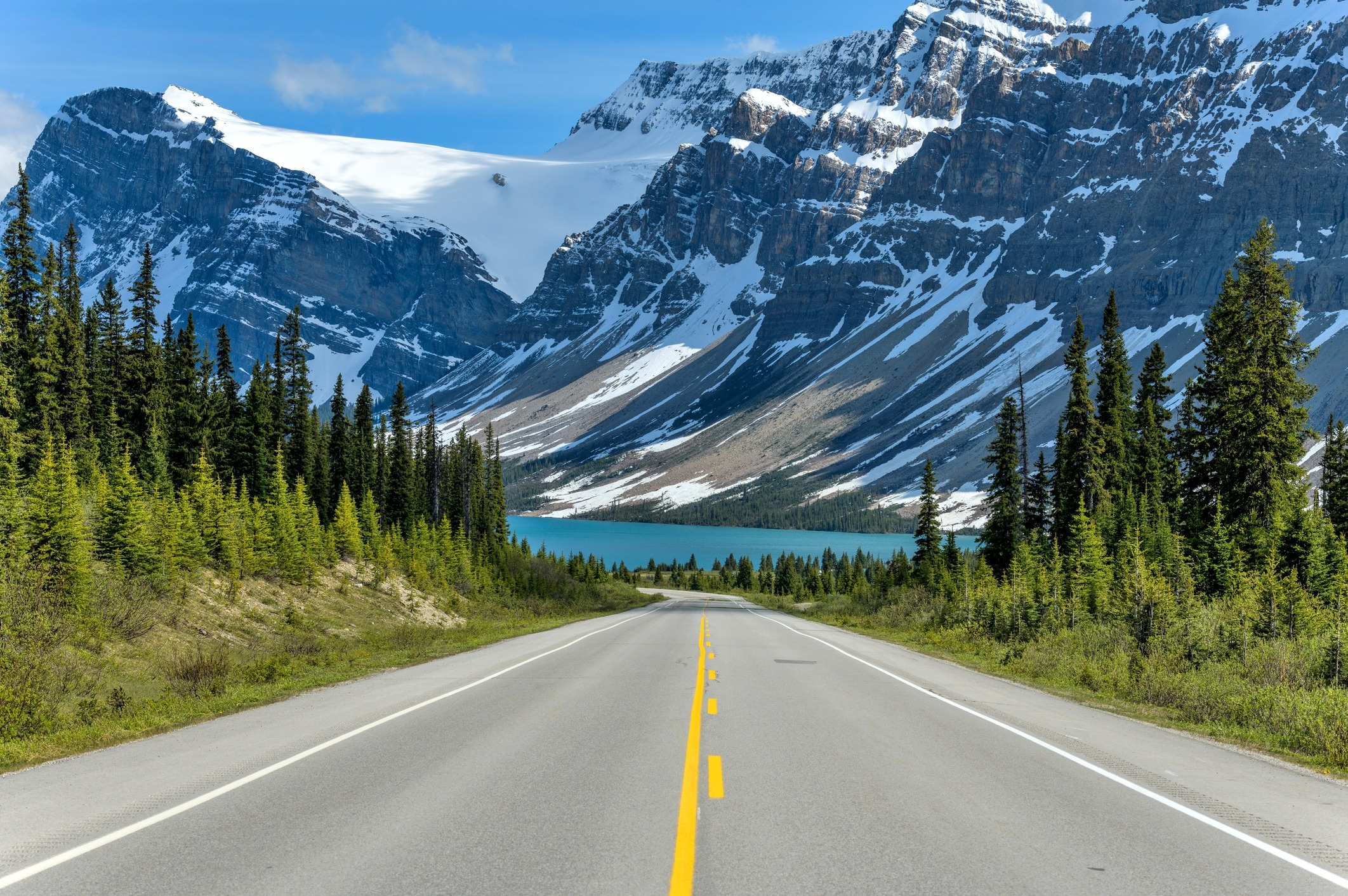
You can’t do the Canadian Rockies without driving on the Icefields Parkway, often cited as one of the most beautiful drives in the world. Stretching 144 miles between Lake Louise and Jasper, this highway is dotted with over 100 ancient glaciers and waterfalls. Make sure to stop at the Columbia Icefield, where you can walk on the Athabasca Glacier or take in the views from the Glacier Skywalk. Because this route is a wildlife corridor, it is also one of your best chances to spot grizzly bears, mountain goats and elk.
Respect Wildlife Habitats and Leave No Trace
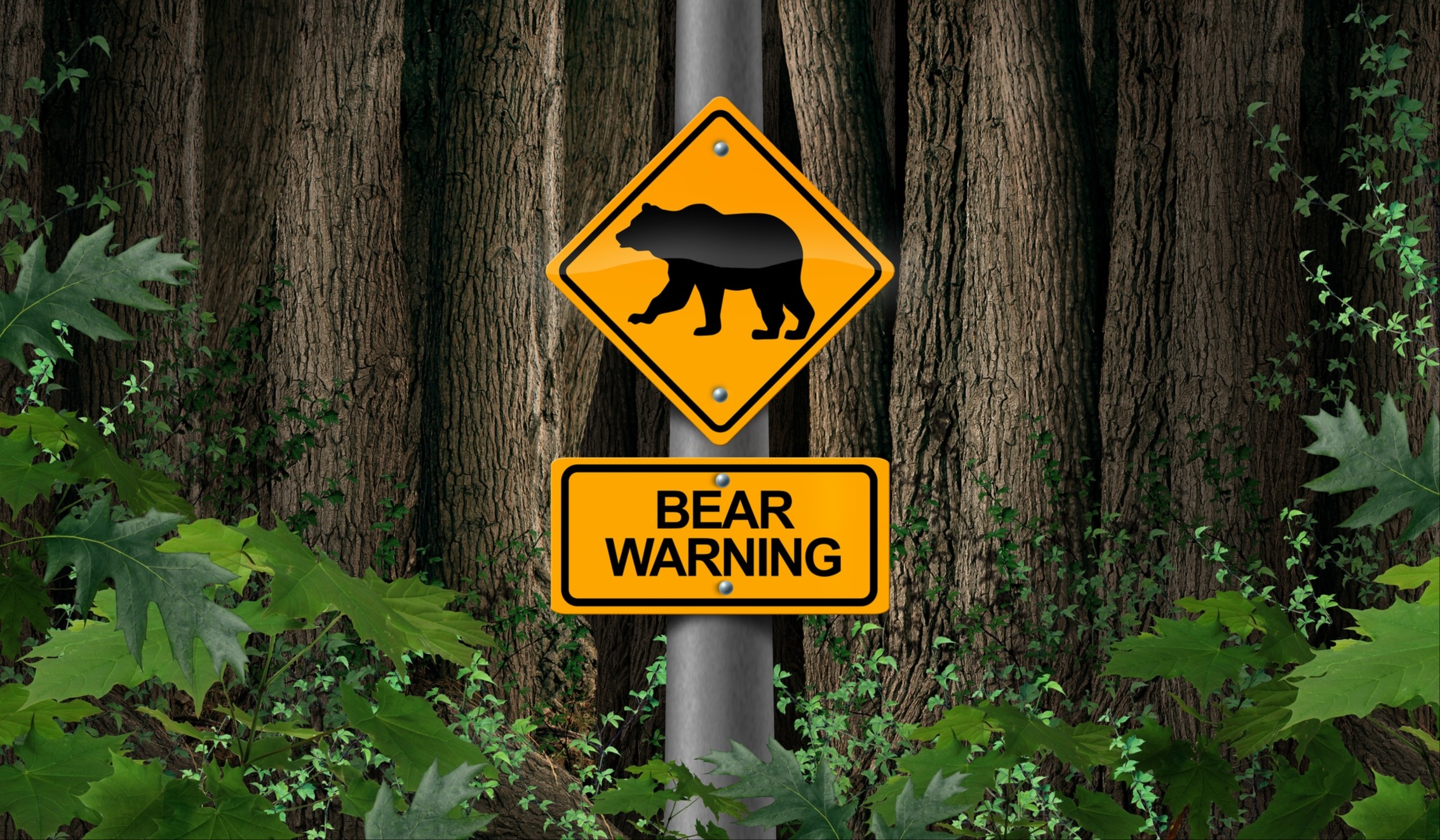
Camping in the Canadian Rockies offers the incredible opportunity to share the landscape with wildlife up close — including grizzly and black bears. Practicing safety is an absolute non-negotiable, meaning carrying bear spray at all times and understanding how to use it. At the campsite, make sure you keep it clear at all times by storing all food and trash in bear-proof lockers, locked trash cans or your vehicle. Being mindful of the wildlife around you ensures your own safety, respects habitats and keeps a safe campsite for other visitors.
Get Ahead of the Parks Canada Booking System
The most practical piece of advice for a Rockies trip is to book as early as possible. The Parks Canada reservation system typically opens in early spring, and popular sites at Two Jack Lake or Johnston Canyon can sell out within minutes of going live. If you miss this early window, look out for "first-come, first-served" campgrounds like Wilcox Creek, which offer a more spontaneous option for those willing to arrive early in the AM to snag a spot. Obtaining a digital or physical Discovery Pass ready before you hit the park will also save you time and verify your fees are contributing to the conservation of these amazing natural sites.