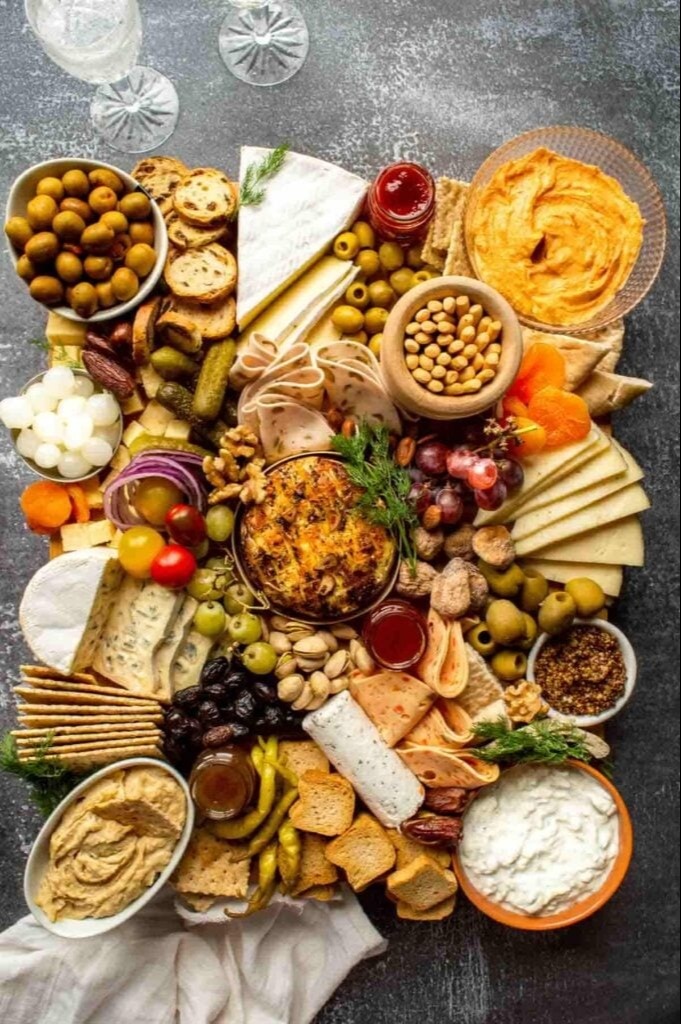
Start With Your Foundation and Build Up
The board itself matters more than you think. Grab the biggest wooden cutting board you own, or splurge on one of those fancy slate numbers. If you're going full maximalist, layer in some small bowls and ramekins to create height and dimension. Think of it like directing your own blockbuster movie: prime locations go to your big-name stars like Leo DiCaprio, while supporting acts fill in the gaps.
Your substantial base layer anchors the whole operation. Crackers of varying shapes and textures get scattered strategically around the board, not dumped in one depressing pile. Add some sliced baguette that's been lightly toasted because nobody wants floppy bread. Breadsticks can stand tall in a jar like edible architecture, the kind of touch that says, “This isn’t my first snack-board rodeo.”
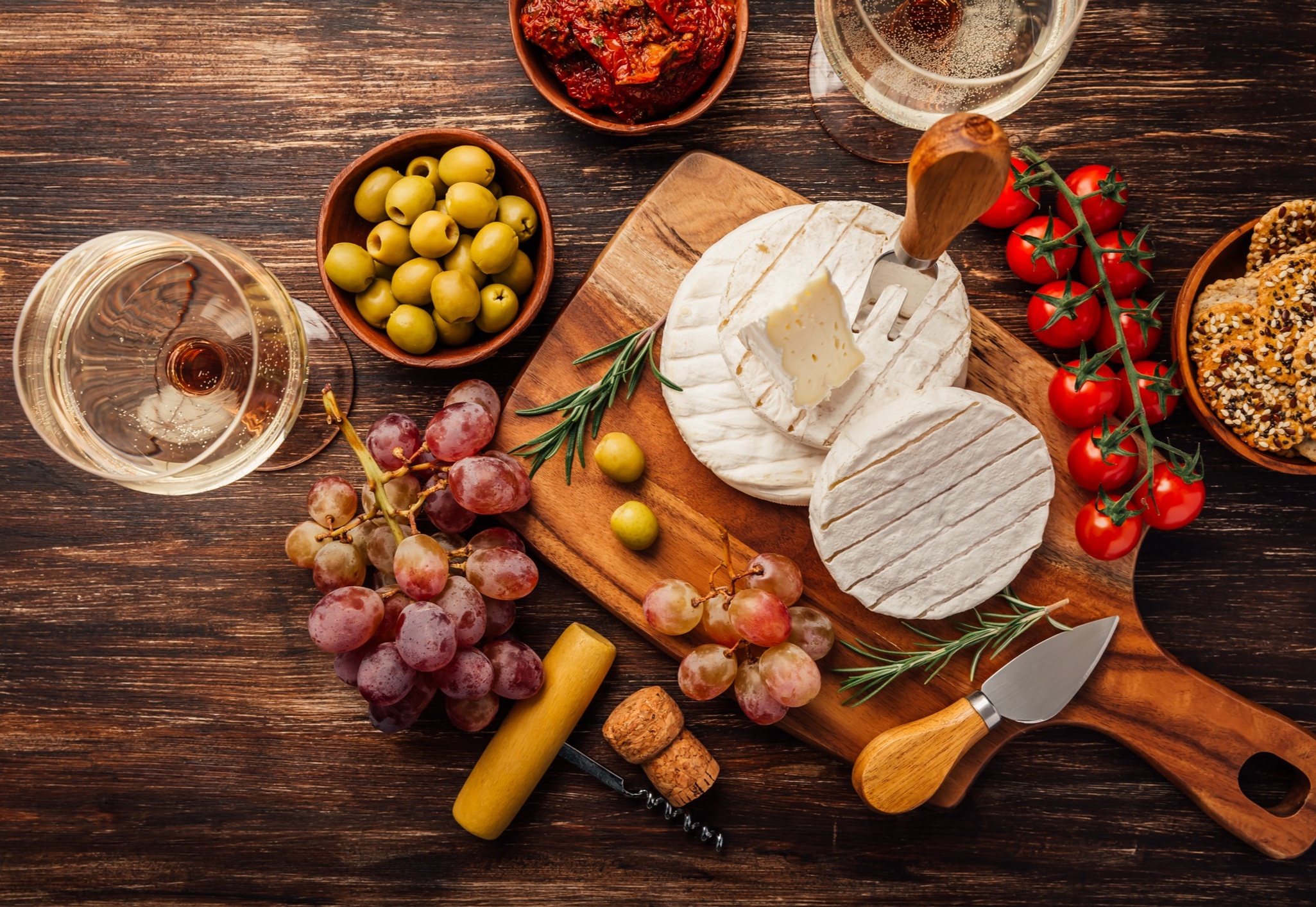
Layer on Color With Vegetables, Fruits, and Fresh Herbs
Pile on ruby cherry tomatoes, electric-orange peppers, emerald cucumbers and the kind of grapes that could've been extras in a California Raisins commercial. Sure, some raw veggies belong on your board but blanched, roasted and pickled vegetables elevate the whole game. Toss some asparagus or green beans in boiling water for two minutes, shock them in ice water, and suddenly you’re serving something that feels fancy enough to require its own theme song.
Fresh fruit walks the fine line between refreshing and elegant while dried fruits like apricots, dates, and figs earn their spot through sheer convenience. Fresh herbs scattered around make everything look like you know a secret about garnishing. Include something like chili-lime mango slices or rosemary roasted chickpeas to add an unexpected twist. The goal is controlled abundance, like a farmers market exploded in the best possible way.
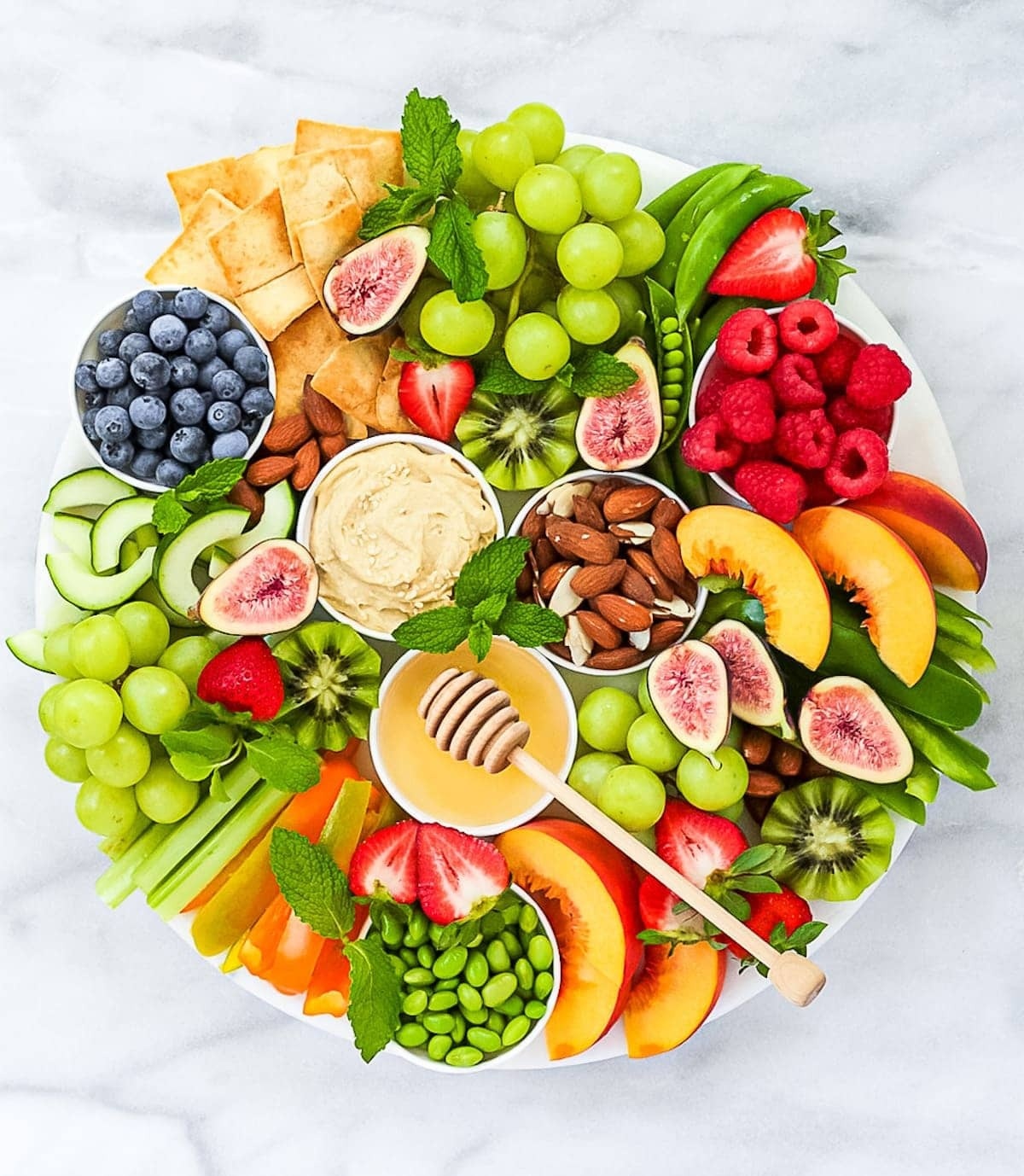
Cheese, Nuts, and All the Crunchy Things
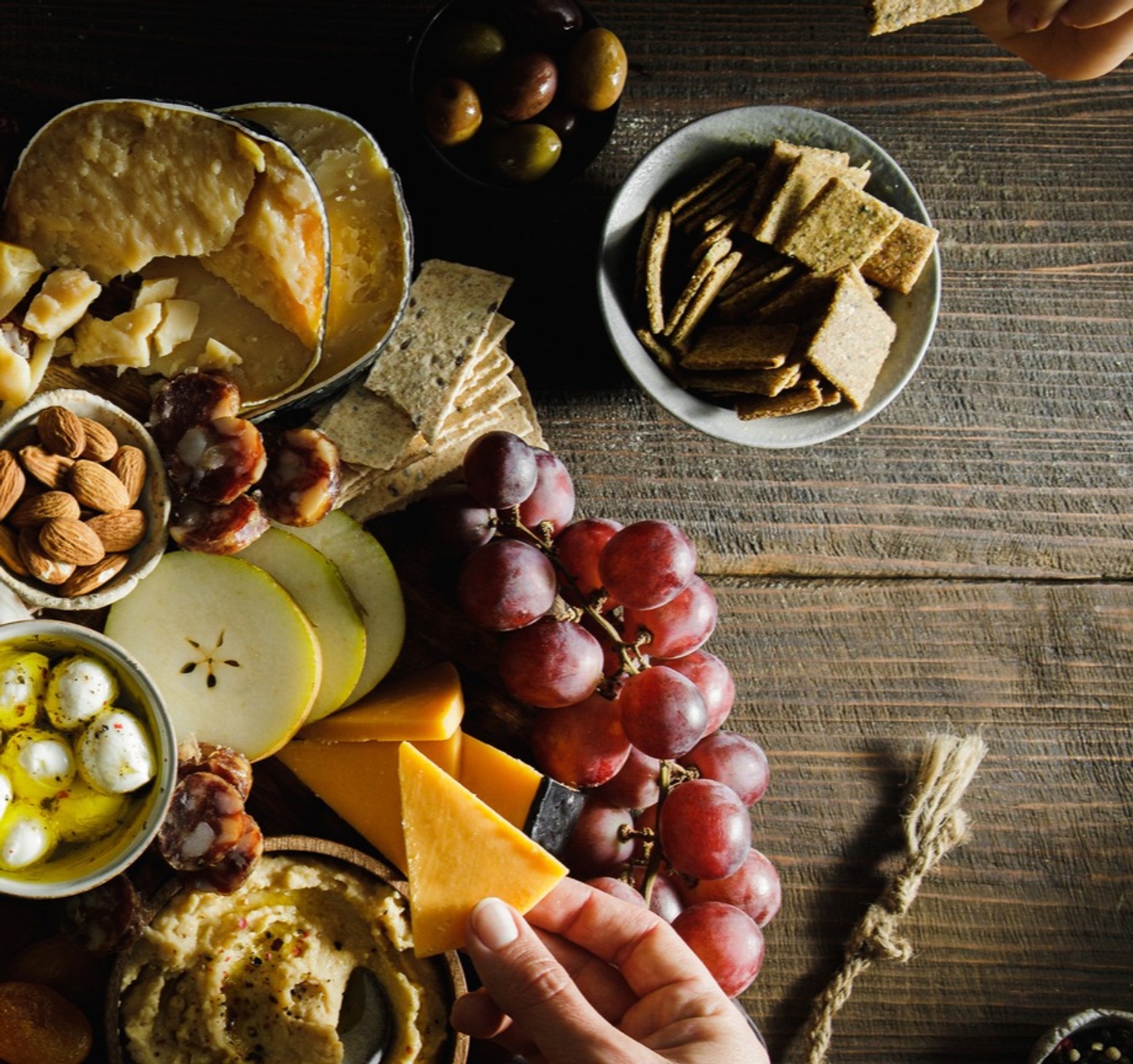
Start with at least three cheese varieties that offer different textures and flavors. A creamy brie, a sharp aged cheddar and maybe a crumbly goat cheese will cover your bases nicely. Cut your cheeses differently to keep things visually interesting: cubes, slices, wedges, crumbles.
Nuts and seeds bring protein, crunch, and that satisfying feeling of eating something substantial, and adding candied or spiced nuts create a plot twist that takes your board from predictable to “oh wow, someone showed up today.”
A small bowl of olives adds a salty, briny element that somehow makes everything else taste better, just remember to warn people about the pits unless you have your dentist on speed dial.
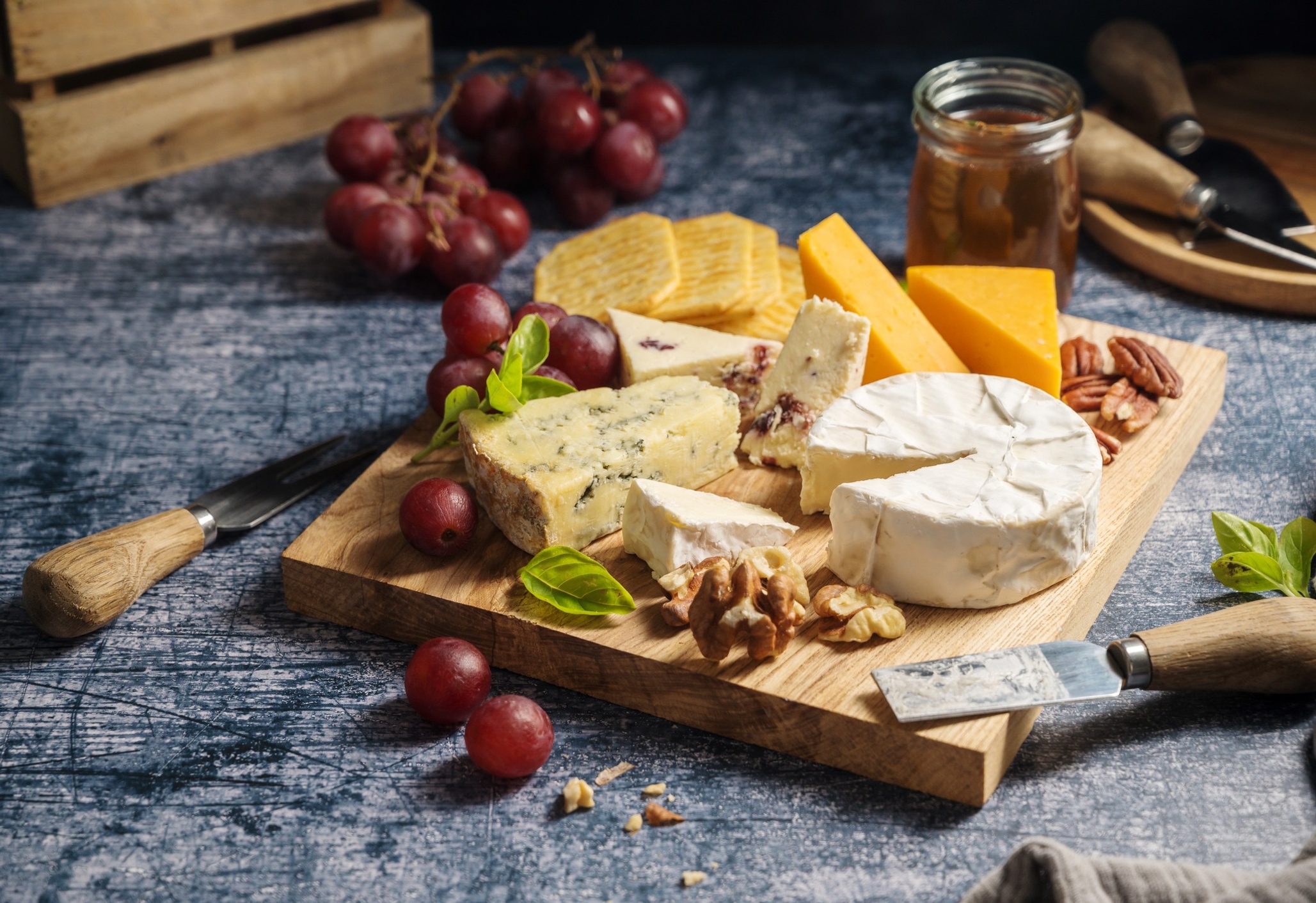
Add Dips and Sweet Touches Like You Mean It
Classic hummus is like the LBD that never goes out of style but accessories like tzatziki, whipped feta and smoky baba ganoush can absolutely steal a scene. A good dip can make people eat vegetables they'd normally stroll past in the produce section while avoiding eye contact.
A little sweetness balances all the savory and keeps your board from being one-note. Dark chocolate squares or chocolate-covered almonds satisfy dessert cravings without requiring a separate course (plus, technically they "don't count" because they're on a veggie board). Honey in a tiny jar with its own dipper adds natural sweetness and looks adorable.
Finish Strong With Thoughtful Details
Little touches turn a decent board into the kind that makes guests do a double take and rethink everything they knew about you. Individual mini spoons or spreaders for each dip prevent cross-contamination and look thoughtful. Labels can be helpful if you're serving anything unusual or if guests have dietary restrictions to navigate. Serve your board at room temperature instead of fridge-cold so all the flavors actually shine.
The beauty of a snack board is that 90 percent of it can be prepped ahead without any cooking required. Finish strong with a layout that looks effortless, even if you spent twenty minutes nudging one carrot stick a millimeter to the left. Now go forth and create something that makes people forget all about those meat-heavy appetizers of yesteryear.