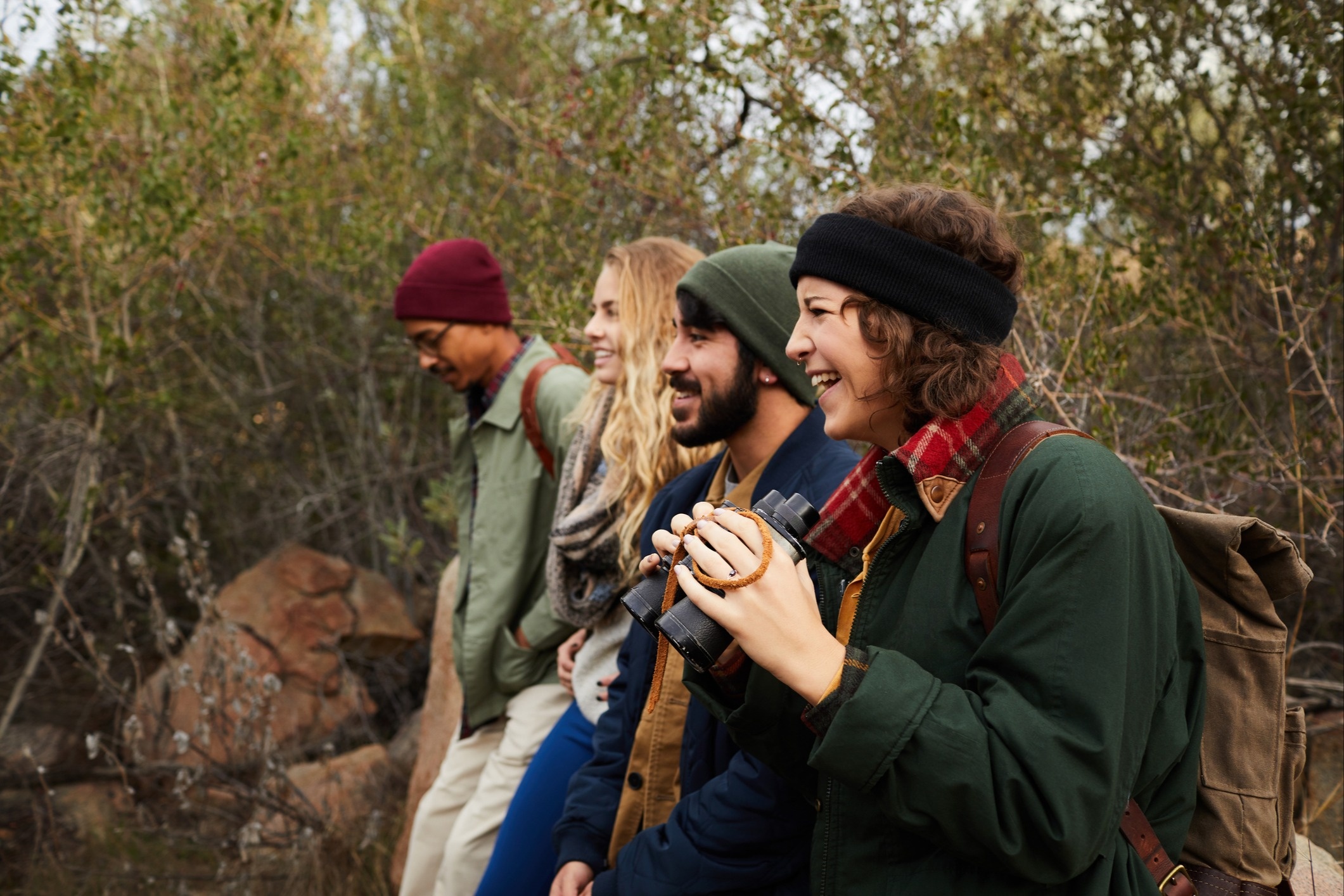
Birding is a low-cost, low-effort but high-reward hobby that is no longer only popular amongst retirees but among younger generations alike. Aside from being a peaceful outdoors hobby, birding has a surprising amount of rewards such as reducing stress, supporting brain health and reducing cognitive decline. One study conducted in Canada at the University of Toronto took 29 individuals between the ages of 22 and 79, recruited from birding groups, and ran MRIs on them. The MRIs showed that the expert birders exhibited denser brain areas related to spatial awareness, object recognition and working memory. Aside from the process and watching and identifying bird species, which has positive correlations with neuroplasticity, the benefits of spending time in nature, walking and socializing with other birders is tied to a lessened risk of cognitive impairment and an increase in processing speeds and capabilities. Birding is ultimately a deeply fulfilling hobby that you can start anytime, from anywhere and it doesn’t have to cost you a single dime.
All you need to get started is a pair of binoculars and some apps
While you can begin your birding journey with nothing but the naked eye and an increase in observance of your natural surroundings, using a pair of binoculars laying around or investing in a pair can enhance your vision and search for bird species. With a little online research and a lot of patience, you can begin to map a constellation of bird species that live in your own backyard.
Consider also picking up a notebook to document the kinds of birds you see, their behaviors and sounds you hear from each one. When getting started, it is helpful to download specialized apps like Merlin Bird ID or eBird. These tools act like a "Shazam" for birds, allowing you to record a bird's song or upload a grainy photo to get an instant, AI-powered identification.
Investing in guides and quality gear can enhance your experience
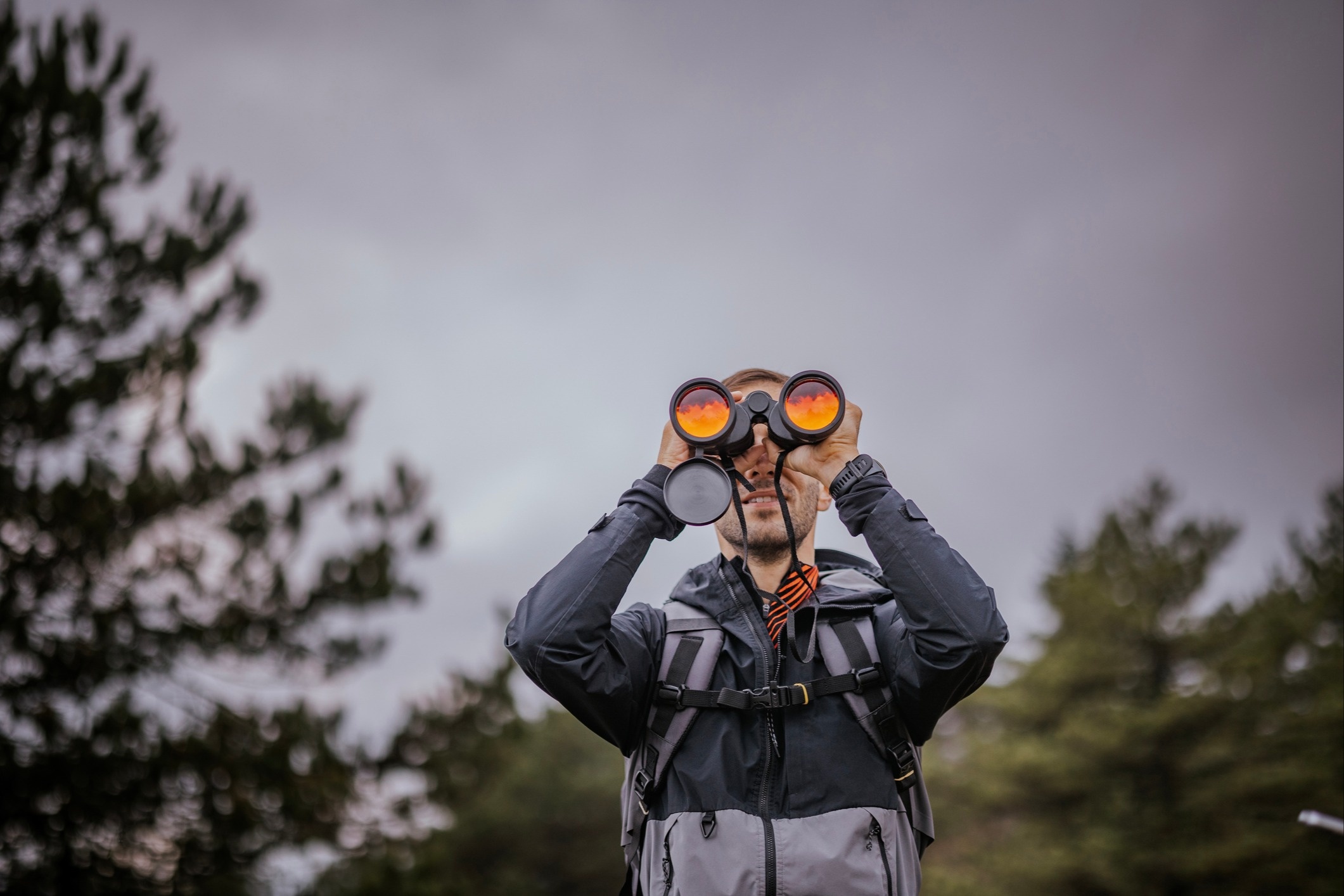
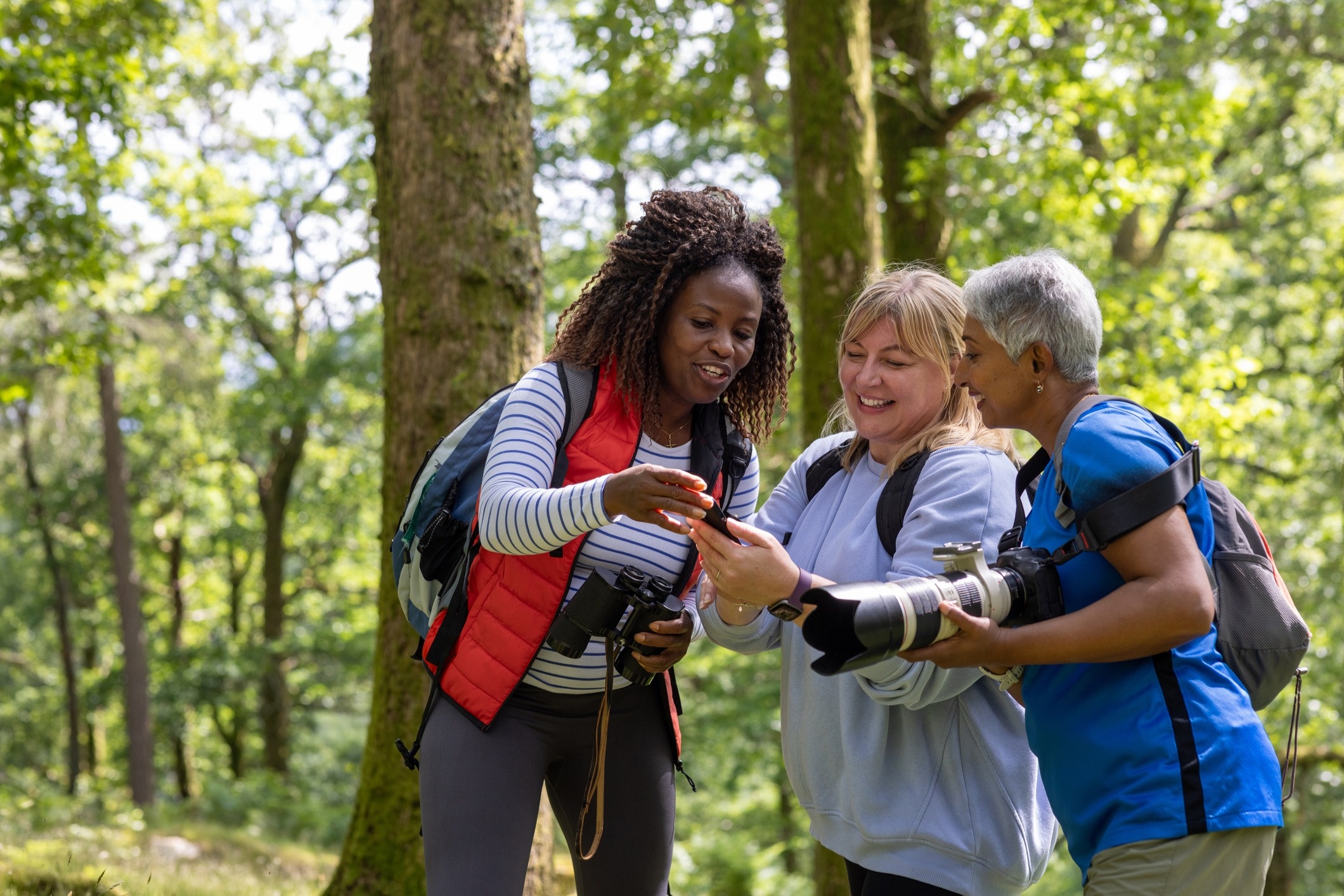
When you move beyond the casual backyard observer phase, investing in books and quality gear can significantly improve your experience. A solid pair of 8x42 binoculars is widely considered ideal for novices, offering enough magnification to see detail without being too heavy to carry on long walks. If you enjoy capturing the moment, birding is also a fantastic gateway into wildlife photography. Pairing your sightings with a camera, even an old school digital one (or the one on your smartphone), gives you the opportunity to document the intricate patterns of a feather or specific colors, which helps with identification later. A physical field guide, like those by Sibley or Peterson, also provides a tactile, analog way to study regional species without relying on Wi-Fi.
Map out parks and nearby wildlife reserves
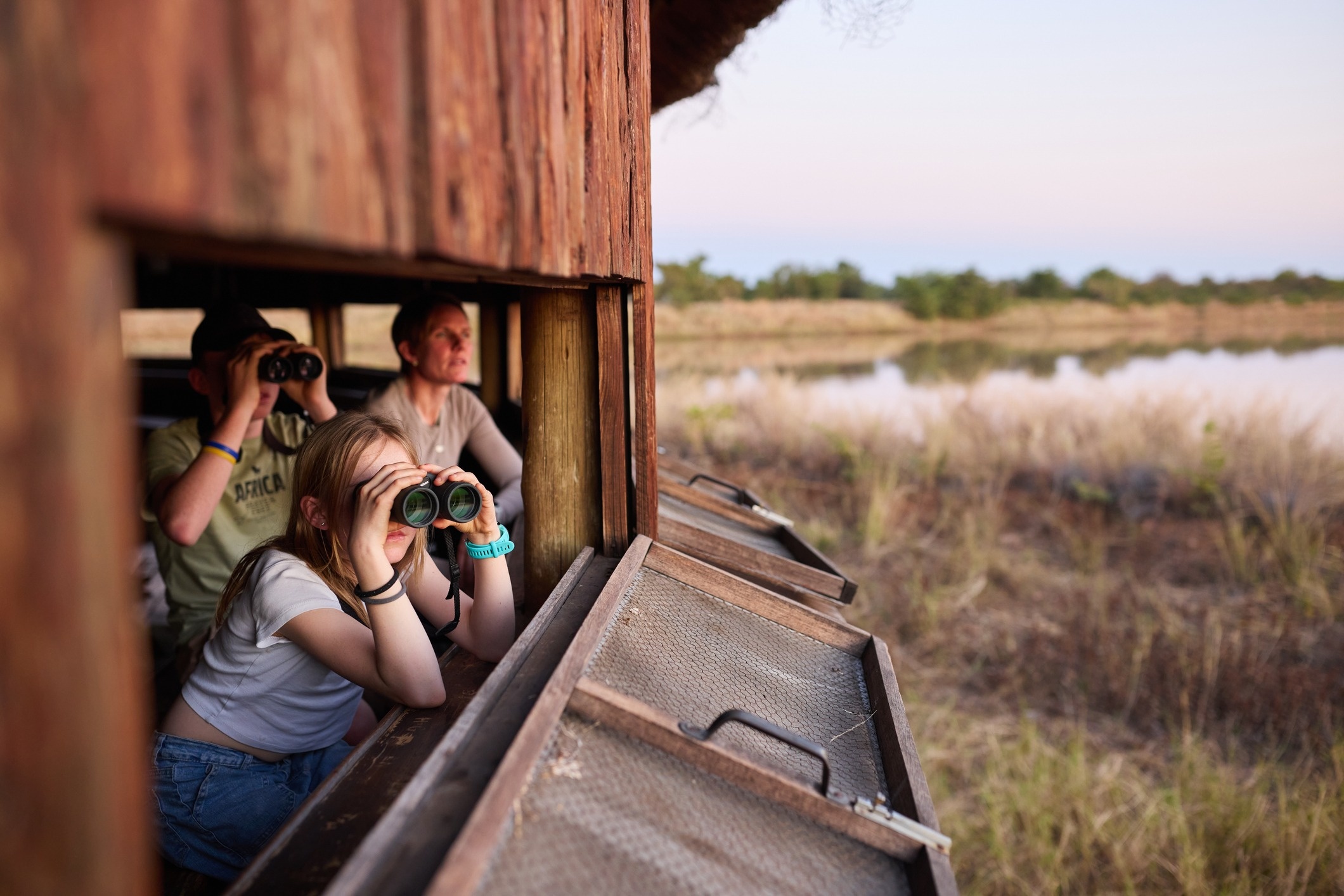
You don’t need to travel to a remote rainforest to find a ton of avian life; you simply need to map out local parks and nearby wildlife reserves. Birds are highly habitat-specific, so merely switching up the environments you visit can create a diverse life list. A local marsh or pond might yield herons and waterfowl, while a dense wooded area might hide great horned owls and woodpeckers. It’s relatively common for municipal parks to have dedicated bird blinds — small, camouflaged structures where you can sit and observe without startling the wildlife. You can also double-check your local city's wildlife websites to find spots where migratory birds are known to stop for a rest during the spring and fall seasons.
Consider joining groups or online forums
While birding can be a solitary, meditative act, it is also a very social one. Joining a local birding group or online forums to share your sightings and learn from more experienced can be a great way to deepen your hobby and expand your social network. A lot of big cities have local chapters of the Audubon Society that host free guided walks, which are a low-stakes way to learn the basics and meet people with a shared hobby. If you log your sightings in global databases, you are also participating in science, which helps researchers track migration patterns and the effects of climate change on local populations. It’s a niche hobby where your personal peace of mind directly contributes to a greater understanding of the planet’s health.